 WhatsApp Us (24/7)
 +91 926 888 0303 (24/7)


To Book an Appointment
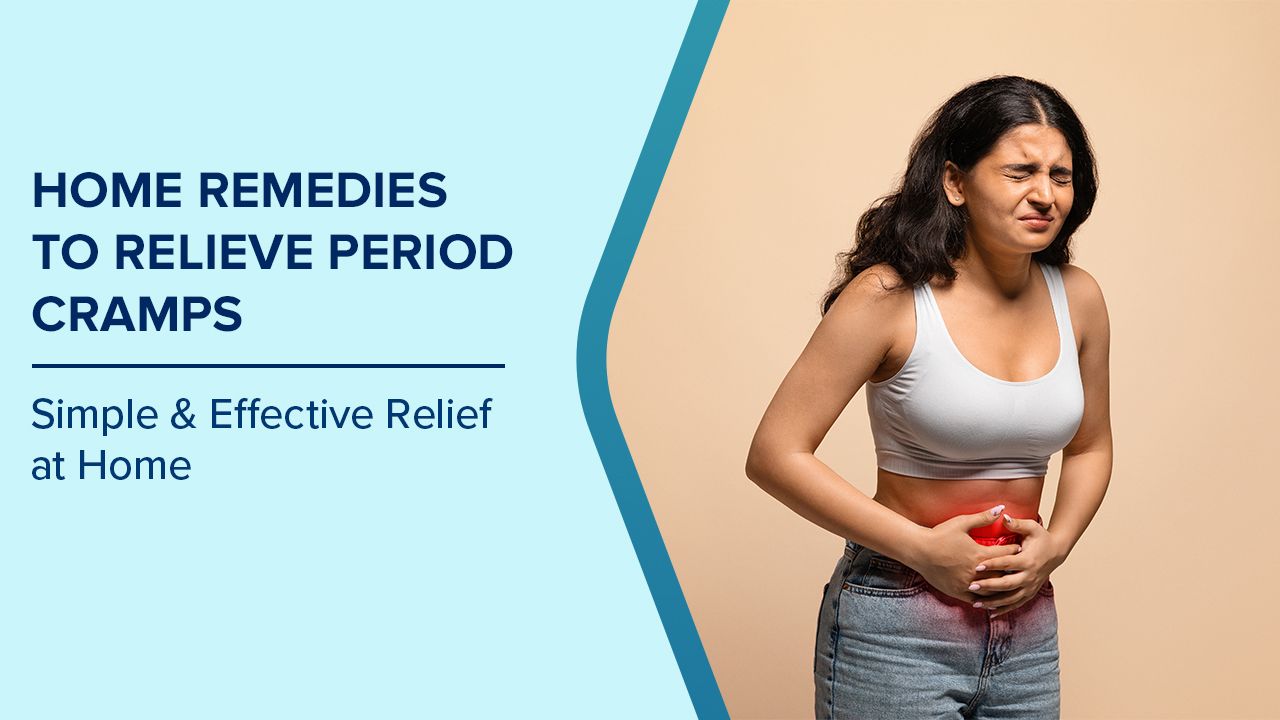
Call Us+91 926 888 0303Home Remedies to Relieve Period Cramps: Simple & Effective Relief at Home
By Dr. Bithika Bhattacharya in Obstetrics And Gynaecology
Jan 23 , 2026
5

Menstrual cramps, also known as dysmenorrhea, affect millions of women each month and can range from mild discomfort to intense pain that can interfere with daily activities. The aching or throbbing sensations in the lower abdomen are often accompanied by fatigue, mood changes, and even headaches, making it harder to focus on work, studies, or routine activities. To deal with menstrual cramps, while medication is an option, home-based remedies are gaining attention not only for their convenience but also for their ability to support overall menstrual health without heavy reliance on painkillers.
In this article, we’ll cover 10 simple ways to ease period cramps at home, helping you feel more at ease and better prepared to handle your menstrual cycle.
Home Remedies for Menstrual Cramps
1. Heat Therapy
Targeted heat reduces muscle spasm and improves local blood flow in the lower abdomen, which helps relieve period pain. Use a heating pad or hot water bottle at a comfortably warm setting for 15 to 20 minutes, and repeat through the day as needed. Place a thin cloth between the skin and the heat source to prevent burns and check the skin regularly, especially if you have reduced sensation. In addition, a warm bath offers whole-body relaxation and can be followed by a short session of gentle stretching for additional comfort. If cramps radiate to the back, heat can also help with relief.
2. Gentle Exercise
When pain allows, light movement is one of the best remedies for menstrual cramps as it improves circulation, supports posture, and promotes the release of endorphins that dampen pain signalling. Start with 10-20 minutes of walking, cycling, or a beginner yoga flow that avoids strong abdominal compression. Slow, controlled breathing during movement reduces muscle guarding and can help settle the nervous system. Regular activity across the month also supports mood, sleep quality and energy, and helps with period cramps relief.
3. Herbal Teas
Warm, non-caffeinated drinks can help maintain hydration and relieve period pain. Among herbal remedies for period cramps, ginger has the most supportive evidence. Steep a few thin slices of fresh ginger, or use a modest amount of dried ginger, in hot water for 5-10 minutes and sip while warm. Chamomile and peppermint teas are also chosen for comfort and digestive ease, although research is more limited. Cinnamon tea is used traditionally by some people; if you try it, keep quantities small and discontinue it if you feel unwell. Avoid very hot liquids that may worsen reflux and pain.
4. Hydration
Adequate fluid intake is a simple step that can help provide menstrual pain relief. Dehydration can worsen headaches, fatigue, and the general sense of malaise that amplifies discomfort. Drink water regularly through the day and use warm infusions or broths if you prefer. A pale straw urine colour is a reasonable cue that you are drinking enough water. Hydration works best when combined with a balanced diet and light movement, and it supports many of the other home remedies for period pain by improving overall wellbeing during the heaviest days.
5. Dietary Adjustments
Food choices influence comfort, bloating and energy levels during periods. A balanced diet comprising vegetables, fruits, whole grains, lean proteins, and healthy fats provides steady fuel and can help with mood stability. Foods rich in omega-3 fats, such as flax seeds, walnuts and oily fish, may be useful when experiencing acute cramps. Leafy greens, beans and bananas add magnesium and potassium, which support normal muscle function. Reducing the intake of highly processed foods, salt, caffeine and added sugar helps with water retention and sleep quality. Keep regular meals rather than snacking all day, as it helps stabilise blood glucose and may reduce irritability.
6. Massage with Essential Oils
Gentle abdominal or lower-back massage helps relieve tension and promote relaxation. Use a small amount of carrier oil, and if you wish, add a few drops of diluted lavender or peppermint oil. Apply in light, circular strokes for 5-10 minutes once or twice daily. This can be combined with warmth for additional period discomfort relief. It is important to note that essential oils must not be applied undiluted and should be avoided on broken or irritated skin; if you develop a rash or feel irritation, stop immediately. Even without oils, simple self-massage with a neutral moisturiser can help reduce guarding of the abdominal wall and paraspinal muscles that often tighten with back pain during the first 3 days of bleeding.
7. Magnesium- and Vitamin-rich Foods
A food-first approach is another way to get menstrual cramp relief. Magnesium plays a key role in muscle function, and is found in nuts, seeds, legumes, dark chocolate with high cocoa content, and leafy greens. Vitamin B1 is present in whole grains, beans and seeds. Including these foods regularly in your diet across the month may help you feel more comfortable during periods. If you are considering supplements, discuss them with a dietician, particularly if you have kidney disease, take regular medicines, or already use a multivitamin. Supplements are not a stand-alone remedy for period cramps, but can support a balanced diet where intake is low.
8. Rest and Relaxation
Rest helps when cramps peak and energy dips. Set aside short, intentional breaks, rather than resting only when pain becomes overwhelming. Try diaphragmatic breathing by placing a hand on the lower ribs and another on the abdomen, inhaling slowly through the nose, then lengthening the exhalation to relax the pelvic floor and abdominal wall. Progressive muscle relaxation or a short guided breathing or body-scan recording can reduce the tension in muscles. Comfortable positions include lying on your side with a pillow between the knees or on your back with cushions under the knees to reduce pelvic tilt.
9. Warm Compress for the Lower Back
Menstrual cramps arise when the uterus contracts to shed its lining, and the pain can be felt in the lower back because pelvic and lumbar nerves have common pathways. A warm towel or heat pad placed over the lower back can reduce muscle spasm and ease the dull, throbbing ache that often accompanies periods. Follow the same safety steps used for abdominal heat: a thin cloth barrier, a comfortable temperature, and checks every few minutes to avoid skin injury. Combine heat with gentle spinal mobility, such as slow cat-cow movements or supported child’s pose, if these positions feel comfortable. People who spend long periods seated may benefit from brief standing breaks and posture changes.
10. Manage Stress and Sleep
Stress heightens pain perception and affects muscle tone, hormones, and sleep. Short daily practices, such as a brief mindfulness exercise that focuses on the breath and body, a few minutes of journaling, or a calm walk can help reduce stress. Keep caffeine modest, especially after midday, and avoid phones, tablets, computers and television for at least one hour before bedtime to make it easier to fall asleep. If cramps wake you up at night, place a warm pad or hot-water bottle on your lower tummy or back for 10 to 15 minutes. Practising these routines across the month often improves resilience, which makes period pain remedies work better. Seek medical advice if pain causes repeated sleep loss or daytime impairment, as this may suggest an underlying issue that requires assessment.
When to See a Doctor?
Seek medical advice promptly if:
- Pain is severe, lasts longer than a few days, or does not improve with heat and appropriate over-the-counter medicines.
- Bleeding is very heavy, you feel faint or unwell, or have fever.
- Pain occurs with sex, when passing urine or stools, or continues outside periods.
- Period symptoms significantly affect work, study, or daily life despite self-care.
Persistent or severe cramps can be due to an underlying condition such as endometriosis, fibroids, pelvic inflammatory disease or adenomyosis. Early assessment helps, particularly if you have fertility concerns or progressively worsening symptoms.
Conclusion
While period cramps are a common experience, they don’t have to disrupt your life. Small, consistent steps, such as using heat, staying active, eating a balanced diet, practising relaxation, and ensuring proper rest, can go a long way in reducing discomfort. These home remedies not only help with pain relief but also promote overall health throughout the menstrual cycle. Every person’s body responds differently, so it may take some trial and error to find which combination works best for you. If symptoms remain severe or interfere with daily life, consult a doctor to receive the right guidance and care.
For personalised menstrual pain relief and guidance tailored to your health, the gynaecology team at Max Hospital is here to help. Book an appointment to discuss your symptoms, review options that suit you, and build a plan that supports comfort and wellbeing through every cycle.
FAQs
What are menstrual cramps?
Menstrual cramps, or dysmenorrhoea, are pains felt in the lower abdomen or back just before or during periods. They occur when the uterus contracts to shed its lining. Mild cramping is common, but if pain is intense or disrupts daily activities, it is best to consult a doctor.
Why are period cramps so painful?
During menstruation, higher levels of prostaglandins trigger stronger uterine contractions. These contractions can reduce blood flow temporarily, which increases sensitivity to pain. This explains why some people experience more severe cramps than others.
What causes menstrual cramps?
Cramps mainly result from uterine contractions driven by prostaglandins, known as primary dysmenorrhoea. When pain is linked to conditions such as endometriosis, fibroids, adenomyosis, or pelvic infections, it is called secondary dysmenorrhoea.
What can make period cramps worse?
Stress, poor sleep, lack of movement, and irregular meals may increase discomfort. Certain foods and drinks like caffeine, alcohol, or very salty snacks can add to bloating and pain. Health conditions such as endometriosis can also intensify symptoms.
What is the best tea for menstrual cramps?
Ginger tea is often recommended, as ginger has been studied for its ability to ease cramps when used in early menstruation. Chamomile or peppermint tea may help with relaxation and digestion, although research is less extensive.
How to get instant relief from period pain?
While there’s no quick cure, applying heat to the abdomen or back, taking an over-the-counter pain reliever (if safe for you), or doing light stretches may provide relief within a short time.
How to stop period pain immediately at home?
Use a heating pad, rest in a comfortable position, drink water, and, if appropriate, take a pain reliever. If the pain is severe, persists, or is accompanied by heavy bleeding or other concerning symptoms, seek medical advice promptly.
How to make herbal tea for period cramps?
For ginger tea, add 2–3 slices of fresh ginger or half a teaspoon of dried ginger to a cup of hot water. Let it steep for 5–10 minutes and drink while warm. Avoid if you are pregnant, have reflux, or take certain medicines, unless cleared by your doctor.
What is the best herb for menstrual cramps?
Ginger shows the most consistent evidence for reducing menstrual pain. Other herbs such as chamomile or cinnamon are used traditionally, but their effects are less well studied. Always check with a healthcare provider before trying herbal remedies if you are pregnant or on medication.
How to tell if your period cramping is normal?
Cramps that improve with heat, rest, or simple pain relief are generally considered normal. If pain is severe, continues beyond a few days, occurs outside of periods, or is linked with heavy bleeding or pain during sex, it should be checked by a doctor.
Can bad period cramps be a sign of something else?
Yes. Persistent or worsening pain can be linked to conditions such as endometriosis, fibroids, adenomyosis, or pelvic infections. Medical assessment helps identify the cause and provide effective treatment.
Can you heal menstrual cramps with home remedies?
Many people find relief through home measures such as warmth, light exercise, massage, hydration, and herbal teas. Over-the-counter medicines may also help. If these methods do not ease your pain, professional advice is recommended.
Do period cramps cause back pain?
Yes, menstrual pain can spread to the lower back because the same nerves serve both the uterus and lower spine. Heat, gentle stretches, and appropriate medication can ease this discomfort.
Can dehydration make cramps worse?
Yes. Dehydration can make fatigue, headaches, and overall discomfort more noticeable during periods, which in turn makes cramps feel worse. Aim to stay hydrated with water and limit alcohol or very sugary drinks.
Written and Verified by:

Related Blogs

Dr. Manju Khemani In Obstetrics And Gynaecology
Oct 27 , 2020 | 3 min read

Dr. Neera Aggarwal In Obstetrics And Gynaecology , Nutrition And Dietetics
Nov 07 , 2020 | 7 min read
Blogs by Doctor
Premenstrual Syndrome (PMS): Key Symptoms and Management Tips
Dr. Bithika Bhattacharya In Obstetrics And Gynaecology
Aug 04 , 2025 | 11 min read
Vulvodynia: Symptoms, Causes, & Chronic Vulvar Pain Management
Dr. Bithika Bhattacharya In Obstetrics And Gynaecology , Gynaecologic Laparoscopy
Aug 27 , 2025 | 4 min read
Most read Blogs

Related Blogs
Dr. Manju Khemani In Obstetrics And Gynaecology
Oct 27 , 2020 | 3 min read
Dr. Neera Aggarwal In Obstetrics And Gynaecology , Nutrition And Dietetics
Nov 07 , 2020 | 7 min read
Blogs by Doctor
Premenstrual Syndrome (PMS): Key Symptoms and Management Tips
Dr. Bithika Bhattacharya In Obstetrics And Gynaecology
Aug 04 , 2025 | 11 min read
Vulvodynia: Symptoms, Causes, & Chronic Vulvar Pain Management
Dr. Bithika Bhattacharya In Obstetrics And Gynaecology , Gynaecologic Laparoscopy
Aug 27 , 2025 | 4 min read
Most read Blogs