 WhatsApp Us (24/7)
 +91 926 888 0303 (24/7)


To Book an Appointment
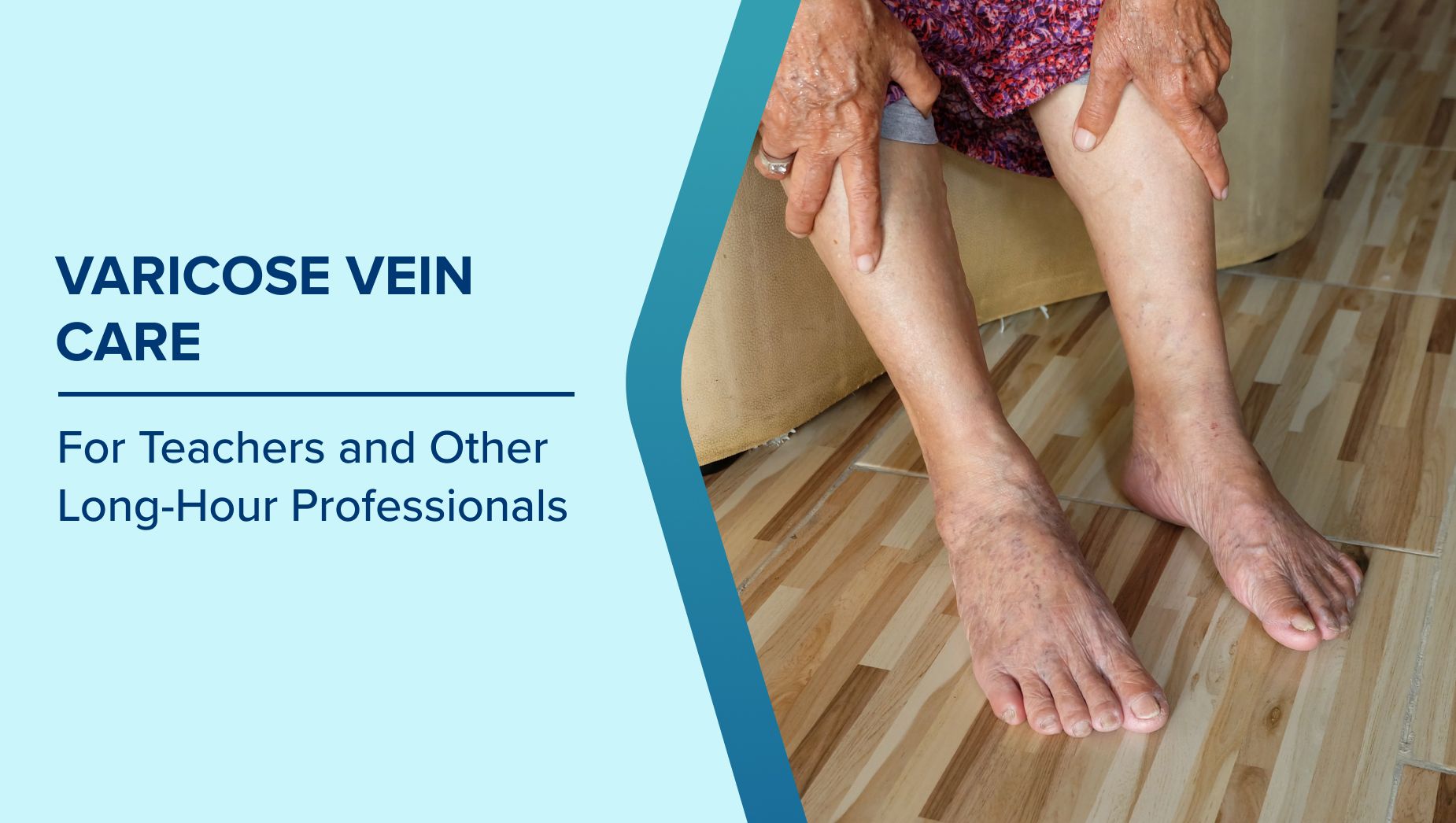
Call Us+91 926 888 0303Varicose Vein Care for Teachers and Other Long-Hour Professionals
By Medical Expert Team
Sep 17 , 2025 | 4 min read
1

Varicose veins are a common condition that many people tend to overlook. They develop when vein walls weaken and the valves inside do not function properly, causing the veins to become swollen and twisted.
While anyone can develop them, professionals who spend long hours on their feet or remain seated for extended periods are especially vulnerable. Teachers, nurses, retail workers, and office staff often find themselves struggling with discomfort in their legs after a long day.
Taking care of vein health is more than just a cosmetic concern. Varicose veins can cause pain, swelling, and fatigue that interfere with daily life.
What Are Varicose Veins?
Varicose veins are enlarged, raised veins most often seen in the legs and feet. They develop when the vein valves, which normally guide blood back toward the heart, become weak or fail to function properly. As a result, blood collects in the veins, making them appear swollen, twisted, and prominent under the skin.
While some people experience only mild discomfort, others may develop significant pain, heaviness, or even complications such as skin changes and ulcers. Understanding the basics of this condition helps professionals take the right steps for timely varicose vein treatment.
Why Teachers and Long-Hour Professionals Are More at Risk
Professionals who spend prolonged hours standing or sitting are more likely to develop varicose veins. Teachers, for example, often stand for most of the day, while office employees may remain seated at their desks for hours without moving. Both situations increase pressure in the leg veins and slow down circulation.
Additional risk factors include:
- Limited opportunities to elevate the legs during the day.
- Hormonal changes, which may affect women teachers and nurses more commonly.
- Age and family history can further raise the risk.
Being aware of these risks allows professionals to take proactive measures to protect their vein health.
Early Signs and Symptoms to Watch For
Recognising the early signs of varicose veins can make treatment more effective. Symptoms may include:
- Aching or heaviness in the legs after standing for long hours.
- Swelling around the ankles or calves.
- Visible twisted or bulging veins.
- Itching or a mild burning sensation near the affected area.
- Night-time leg cramps or restlessness.
Ignoring these signs may lead to complications such as skin discolouration, varicose eczema, or even venous ulcers. Seeking timely medical advice is essential to prevent progression.
Read More:- All You Need to Know about Varicose Vein Surgery
Practical Daily Care Tips
Simple lifestyle adjustments can significantly impact the management of varicose veins and alleviate discomfort. Here are some practical strategies for professionals who work long hours:
- Take short breaks: Move around every 30 to 60 minutes to improve circulation.
- Adopt good posture: Avoid locking your knees while standing and try to sit with both feet flat on the ground.
- Stretch regularly: Calf raises, ankle rotations, and gentle leg stretches encourage better blood flow.
- Wear supportive footwear: Teachers and nurses should avoid high heels or unsupportive shoes. Comfortable shoes with cushioning can reduce strain.
- Use compression stockings for varicose veins: These specially designed garments help improve circulation and reduce swelling during long working hours.
Medical Treatment Options
If lifestyle changes are not enough, medical intervention may be necessary. A healthcare professional can recommend the most suitable treatment for varicose veins, depending on the severity of the condition.
Non-surgical treatments
- Sclerotherapy: A minimally invasive procedure where a solution is injected into the vein to close it.
- Laser therapy: Uses targeted light energy to seal smaller varicose or spider veins.
- Radiofrequency ablation: A catheter delivers heat to close off problematic veins.
Surgical treatments
- Vein stripping and ligation: Removal of the damaged vein through small incisions.
- Phlebectomy: Tiny punctures are made to remove superficial varicose veins.
Modern treatments are less invasive and usually involve shorter recovery times. Consulting a vascular specialist helps identify the best approach.
Preventive Strategies for Professionals
Teachers and other long-hour workers can adopt preventive habits to reduce their risk of developing varicose veins:
- Incorporate small walking sessions during breaks.
- Elevate legs for 10–15 minutes after work.
- Maintain a healthy weight to reduce strain on veins.
- Practise gentle yoga poses to improve blood circulation.
- Alternate between sitting and standing whenever possible.
Conclusion
Varicose veins are more than a cosmetic concern. For teachers, nurses, retail staff, and other long-hour professionals, they can interfere with daily comfort and work performance. Fortunately, with timely care, lifestyle adjustments, and advanced medical treatments, varicose veins can be managed effectively.
Paying attention to early signs, making small but consistent changes, and seeking professional advice when needed can ensure healthier legs and improved quality of life. Taking care of your veins today is an investment in long-term mobility and wellbeing.
Frequently Asked Questions
Can varicose veins affect sleep quality?
Yes, some people experience night-time leg cramps, throbbing, or restlessness that can disturb sleep. Using compression stockings during the day and elevating the legs before bedtime can help.
Are varicose veins only a cosmetic concern or a health risk?
Varicose veins are not just cosmetic. While they may appear unsightly, they can also cause pain, swelling, skin damage, and even ulcers if left untreated.
Do men in teaching or long-hour jobs also get varicose veins?
Yes, although women are more commonly affected, men in professions that require prolonged standing or sitting can also develop varicose veins.
How effective are home remedies for varicose veins?
Home remedies like leg elevation, exercise, and hydration can ease discomfort, but they do not cure the condition. Persistent or severe cases require medical evaluation.
Can exercise worsen varicose veins?
Most exercises, especially walking, swimming, and cycling, improve circulation and are beneficial. However, heavy weightlifting without proper technique may increase strain on the veins. Consulting a doctor before starting intense workouts is recommended.
Related Blogs

Dr. Digvijay Sharma In Vascular Surgery
Jul 08 , 2016 | 3 min read

Dr. Kumud Rai In Cardiac Sciences , Vascular Surgery
Nov 03 , 2016 | 2 min read
Blogs by Doctor

Peripheral Artery Disease: All You Need to Know
Dr. Achintya Sharma In Vascular Surgery
Feb 27 , 2024 | 14 min read

Prevention of Diabetic Foot: Common Problems, Warning Signs, and Tips
Dr. Achintya Sharma In Vascular Surgery
Apr 24 , 2025 | 4 min read
Most read Blogs


Related Blogs
Dr. Digvijay Sharma In Vascular Surgery
Jul 08 , 2016 | 3 min read
Dr. Kumud Rai In Cardiac Sciences , Vascular Surgery
Nov 03 , 2016 | 2 min read
Blogs by Doctor
Peripheral Artery Disease: All You Need to Know
Dr. Achintya Sharma In Vascular Surgery
Feb 27 , 2024 | 14 min read
Prevention of Diabetic Foot: Common Problems, Warning Signs, and Tips
Dr. Achintya Sharma In Vascular Surgery
Apr 24 , 2025 | 4 min read
Most read Blogs