 WhatsApp Us (24/7)
 +91 926 888 0303 (24/7)


To Book an Appointment
Call Us+91 926 888 0303Uterine Cancer: Causes, Symptoms, Diagnosis and Treatment
By Dr. Kanika Batra Modi in Cancer Care / Oncology
Sep 11 , 2025 | 10 min read
1

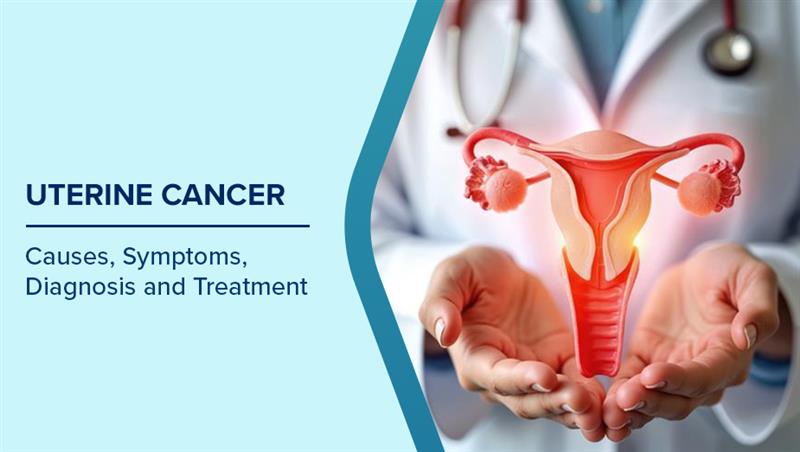
Uterine cancer, also known as endometrial cancer, develops in the lining of the uterus, called the endometrium. It is one of the most common cancers affecting the female reproductive system. Every year, around 420,000 women are diagnosed with this condition worldwide. As uterine cancer often doesn’t show any obvious symptoms, recognising warning signs and understanding the factors that may contribute to its development is crucial. To help increase awareness about uterine cancer, in this article, we’ll cover all you need to know about this disorder, including its symptoms, risk factors and treatment options. Let’s start with the basics.
What is Uterine Cancer?
Uterine cancer occurs when the cells of the uterine lining begin to grow abnormally, forming a tumour. In its early stages, the disease often produces no noticeable symptoms, which can make it difficult to detect. Certain factors, such as hormonal changes, obesity, and underlying medical conditions, are associated with a higher risk of developing the disease. If left untreated, the cancer can progress, and medical intervention becomes necessary. Treatment options vary depending on how far the disease has advanced and may include surgery, radiation, or other therapies.
What are the Types of Uterine Cancer?
Traditionally, uterine cancer was divided into Type 1 (estrogen-related, less aggressive) and Type 2 (non-estrogen-related, more aggressive). However, newer research has shown that this system does not capture the complexity of the disease.
Today, doctors use a molecular classification that provides more accurate information about prognosis and treatment options. The four main molecular subtypes are:
POLE-ultramutated:
- Caused by mutations in the POLE gene (DNA polymerase epsilon).
- These cancers often have very high mutation rates but surprisingly good prognosis.
- Patients usually respond well to treatment
- Microsatellite Instability–High (MSI-H) / Mismatch Repair–Deficient (MMRd):Caused by defects in the DNA repair system.
- These cancers are linked with Lynch syndrome in some cases.
- Prognosis is intermediate, and such cancers may respond well to immunotherapy.
- Copy Number–Low (also called No Specific Molecular Profile – NSMP):
Tumours often show endometrioid histology. - Prognosis is generally favourable, but risk depends on other factors like grade and stage.
- Copy Number–High (also called p53-abnormal): Often corresponds to serous or high-grade tumours.
- Typically aggressive with a poorer prognosis.
- May require intensive treatment, including chemotherapy.
This molecular classification system is now being integrated into guidelines because it helps doctors predict outcomes better and personalise therapy for each patient.
What are the Causes of Uterine Cancer?
Uterine cancer occurs when cells in the endometrium begin to grow uncontrollably. While the exact cause is not always known, several factors can increase the likelihood of developing the disease:
- Hormonal Imbalance: Prolonged exposure to higher levels of estrogen without sufficient progesterone can overstimulate the endometrial lining, increasing the risk of abnormal cell growth. This imbalance can occur naturally during certain life stages or due to hormone therapy.
- Obesity: Excess body fat can lead to elevated estrogen levels, as fat tissue converts other hormones into estrogen. This increase can promote abnormal growth in the endometrium.
- Age and Menopause: The risk of uterine cancer rises with age, particularly after menopause, when the natural decline in progesterone relative to estrogen can affect the uterine lining.
- Medical Conditions: Conditions such as diabetes, polycystic ovary syndrome (PCOS), and hypertension have been associated with higher risk, often linked to hormonal or metabolic imbalances.
- Family History and Genetics: Women with a family history of uterine, ovarian, or colorectal cancer, or those with inherited genetic syndromes like Lynch syndrome, are more susceptible due to inherited mutations that affect cell growth regulation.
- Previous Treatments: Women who have undergone radiation therapy in the pelvic area may have a slightly elevated risk of developing uterine cancer later.
Each of these factors does not directly cause uterine cancer but can increase susceptibility. Awareness of these causes can help women take preventive measures, recognise early warning signs, and seek timely medical attention.
What are the Symptoms of Uterine Cancer?
Uterine cancer can often develop silently in its early stages, making awareness of potential symptoms essential for early detection. Common signs include:
- Abnormal Vaginal Bleeding: This is the most frequent symptom. Postmenopausal bleeding, bleeding between periods, or unusually heavy menstrual flow can signal abnormal changes in the endometrial lining.
- Unusual Vaginal Discharge: Some women may notice watery, blood-tinged, or foul-smelling discharge, caused by the tumour affecting the normal tissue of the uterine lining.
- Pelvic Pain or Discomfort: Persistent pain, pressure, or a sense of fullness in the lower abdomen or pelvis can result from the tumour pressing on surrounding tissues.
- Pain During Intercourse: Discomfort or pain during sexual activity may occur if the tumour irritates the endometrium or cervix.
- Changes in Bladder or Bowel Habits: Tumours that grow large enough may press on the bladder or rectum, causing frequent urination, constipation, or difficulty passing stools.
- Unexplained Weight Loss or Fatigue: Sudden, unintentional weight loss and persistent tiredness can be associated with more advanced stages, reflecting the body’s response to cancer.
Although these signs can also be caused by less serious conditions, any persistent or unusual changes should not be ignored.
How is Uterine Cancer Diagnosed?
Diagnosing uterine cancer involves multiple evaluations and tests to detect abnormal cell growth in the endometrium. Early detection improves treatment outcomes, making timely medical consultation essential.
- Medical History and Physical Examination: Diagnosis begins with a thorough review of the patient’s medical history. Doctors assess symptoms, menstrual patterns, family history of cancers, lifestyle factors, and overall health. A pelvic examination allows the physician to feel for irregularities in the uterus or surrounding tissues, helping to identify potential areas of concern.
- Pelvic Ultrasound: A transvaginal or pelvic ultrasound provides a non-invasive method to examine the uterus. This imaging technique assesses the thickness of the endometrial lining and can detect abnormal growths, polyps, or tumours, offering an early indication that further testing is required.
- Endometrial Biopsy: The endometrial biopsy is the most definitive diagnostic tool. During this procedure, a small tissue sample from the uterine lining is collected and examined under a microscope for abnormal or cancerous cells. The biopsy confirms whether cancer is present and provides information about the aggressiveness of the tumour.
- Hysteroscopy: Hysteroscopy involves inserting a thin, lighted tube into the uterus to directly visualise the endometrium. It allows doctors to pinpoint suspicious areas and collect targeted biopsies. This method improves the accuracy of diagnosis, especially when abnormalities are not detected through imaging alone.
- Advanced Imaging and Staging Tests: Once cancer is suspected or confirmed, imaging techniques such as CT scans, MRI, or PET scans may be performed. These tests reveal whether the cancer has spread to nearby organs or lymph nodes and help determine the stage of the disease, which is crucial for selecting the most effective treatment approach.
- Laboratory Tests: Blood tests are used to assess overall health and organ function. They can also identify markers that provide additional information about the cancer and help monitor response to treatment during follow-up care.
Accurate diagnosis requires a combination of these methods to ensure a complete understanding of the disease.
What are the Treatment Options for Uterine Cancer?
Treatment for uterine cancer depends on the stage, type, and overall health of the patient. A combination of approaches may be used to remove or destroy cancer cells, prevent recurrence, and maintain quality of life.
- Surgery: Surgery is the primary treatment for most cases of uterine cancer. The procedure usually involves a hysterectomy, which is the removal of the uterus, and may also include removal of the ovaries, fallopian tubes, and nearby lymph nodes. Surgery aims to remove the cancer entirely and determine its extent, which helps guide further treatment decisions.
- Radiation Therapy: Radiation therapy uses high-energy rays to target and kill cancer cells. It can be delivered externally (external beam radiation) or internally (brachytherapy) near the tumour site. Radiation may be used after surgery to destroy any remaining cancer cells or as a primary treatment in patients who cannot undergo surgery.
- Hormone Therapy: Hormone therapy may be recommended for cancers that are sensitive to hormones, particularly those influenced by estrogen. This treatment uses medications to block hormone effects or lower hormone levels, helping slow or stop the growth of cancer cells.
- Chemotherapy: Chemotherapy involves the use of drugs to destroy cancer cells, typically for more advanced cases or when cancer has spread beyond the uterus. It may be given alone or in combination with other treatments and is usually administered in cycles to balance effectiveness with side effects.
- Targeted Therapy: Targeted therapy focuses on specific molecular or genetic features of the cancer cells. By interfering with these specific pathways, targeted treatments can block the growth and spread of cancer while minimising damage to healthy cells. This approach is usually considered for advanced or recurrent uterine cancer.
- Immunotherapy: Immunotherapy helps the body’s immune system recognise and attack cancer cells. It is generally used for advanced cases or cancers that do not respond well to standard treatments. Immunotherapy may be combined with other therapies to improve outcomes and reduce the risk of recurrence
Selecting the appropriate treatment requires careful evaluation of the cancer stage, type, and individual patient factors.
What Complications Can Arise from Uterine Cancer?
Uterine cancer can lead to several complications, particularly when diagnosed at an advanced stage or left untreated. These include:
- Local Spread: If the cancer progresses, it can invade surrounding tissues, including the muscular layer of the uterus (myometrium), cervix, or nearby pelvic organs such as the bladder and rectum. This local invasion can cause persistent pelvic pain, pressure, abnormal bleeding, and difficulties with urinary or bowel function, significantly affecting quality of life
- Metastasis: In more advanced stages, cancer cells may spread through the lymphatic system or bloodstream to distant organs such as the lungs, liver, or bones. Metastatic uterine cancer is more challenging to treat and often requires combination therapies. The spread of cancer to vital organs can lead to organ dysfunction, pain, and overall decline in health.
- Reproductive and Hormonal Effects: Surgical treatments like hysterectomy, particularly when combined with removal of the ovaries, result in permanent loss of fertility. Additionally, the removal of hormone-producing organs can trigger sudden menopause, leading to symptoms such as hot flashes, mood changes, vaginal dryness, and decreased bone density. These effects can have long-term implications for physical and emotional health.
- Treatment-Related Complications: Treatments such as radiation, chemotherapy, hormone therapy, and targeted therapy, while necessary, can cause side effects. Short-term effects may include fatigue, nausea, vomiting, loss of appetite, hair thinning, and increased risk of infection. Long-term complications can involve scarring, changes in bladder or bowel habits, sexual dysfunction, and lymphedema if lymph nodes are removed.
- Recurrence: Even after successful treatment, uterine cancer can recur in the uterus, pelvic area, or distant organs. Recurrence may occur months or years after initial treatment and often requires additional therapy. Regular follow-up and monitoring are essential to detect recurrence early and improve outcomes.
Consult Today
Uterine cancer can develop quietly, often showing subtle signs such as unusual bleeding or pelvic discomfort. At Max Hospital, gynaecologists provide careful assessment, guidance, and support tailored to each patient’s needs. If you notice any unusual symptoms or changes in reproductive health, seeking help without delay is the best step forward. Book a consultation with a gynaecologist at Max Hospital today and take an important step toward managing your health effectively.
Frequently Asked Questions
1. Can uterine cancer occur in younger women?
Yes, although uterine cancer is more common in women over 50, it can develop in younger women, particularly if they have hormonal imbalances, irregular menstrual cycles, or a strong family history of cancers. Early consultation is important if any unusual symptoms appear.
2. Are there lifestyle changes that can reduce the risk of uterine cancer?
Maintaining a healthy weight, staying physically active, and managing conditions like diabetes or polycystic ovary syndrome can help lower the risk. A balanced diet rich in fruits, vegetables, and whole grains may also support overall reproductive health, though these measures do not completely eliminate the possibility of cancer.
3. How often should I have check-ups if I am at high risk?
Women with higher risk factors, such as obesity, diabetes, a family history of uterine or colon cancer, or certain genetic syndromes, may need more frequent gynaecological evaluations. This could include pelvic exams, ultrasounds, or endometrial sampling, depending on individual risk, and should be guided by a gynaecologist.
4. Can uterine cancer affect fertility?
Yes, especially if treatment involves surgery that removes the uterus or ovaries. Women who wish to preserve fertility should discuss options such as fertility-sparing treatments, egg freezing, or assisted reproductive techniques with their gynaecologist before starting therapy.
5. Are there any genetic factors linked to uterine cancer?
Inherited conditions like Lynch syndrome increase the risk of uterine and other cancers. Genetic testing and counselling can help identify at-risk individuals and guide monitoring and preventive strategies.
6. What kind of follow-up is required after treatment?
Follow-up care usually involves regular gynaecological exams, imaging tests, and monitoring of symptoms to detect recurrence early. The schedule may vary depending on the stage of cancer, type of treatment, and individual health factors.
7. Can uterine cancer come back after treatment?
Recurrence is possible, particularly in advanced cases. Symptoms of recurrence may include abnormal bleeding, pelvic pain, or changes in overall health. Prompt reporting of any unusual symptoms to a gynaecologist is essential for early detection and intervention.
8. How can I manage the side effects of treatment?
Side effects like fatigue, digestive issues, hormonal changes, or discomfort after surgery can be managed with medical guidance, lifestyle adjustments, and supportive care. A gynaecologist can provide strategies and refer to dietitians, physiotherapists, or counselling services as needed.
Written and Verified by:

Related Blogs

Dr. Kanika Batra Modi In Cancer Care / Oncology
Nov 07 , 2020 | 3 min read

Dr. R.Ranga Rao In Medical Oncology , Cancer Care / Oncology , Thoracic Oncology
Nov 07 , 2020 | 2 min read
Blogs by Doctor
Health Rumours About Cancer – Busted Or Confirmed
Dr. Kanika Batra Modi In Cancer Care / Oncology
Nov 07 , 2020 | 3 min read

Gynaecologic cancer care - in the times of pandemic
Dr. Kanika Batra Modi In Gynecologic Oncology
Nov 07 , 2020 | 2 min read
Most read Blogs


Related Blogs
Dr. Kanika Batra Modi In Cancer Care / Oncology
Nov 07 , 2020 | 3 min read
Dr. R.Ranga Rao In Medical Oncology , Cancer Care / Oncology , Thoracic Oncology
Nov 07 , 2020 | 2 min read
Blogs by Doctor
Health Rumours About Cancer – Busted Or Confirmed
Dr. Kanika Batra Modi In Cancer Care / Oncology
Nov 07 , 2020 | 3 min read
Gynaecologic cancer care - in the times of pandemic
Dr. Kanika Batra Modi In Gynecologic Oncology
Nov 07 , 2020 | 2 min read
Most read Blogs