 WhatsApp Us (24/7)
 +91 926 888 0303 (24/7)


To Book an Appointment
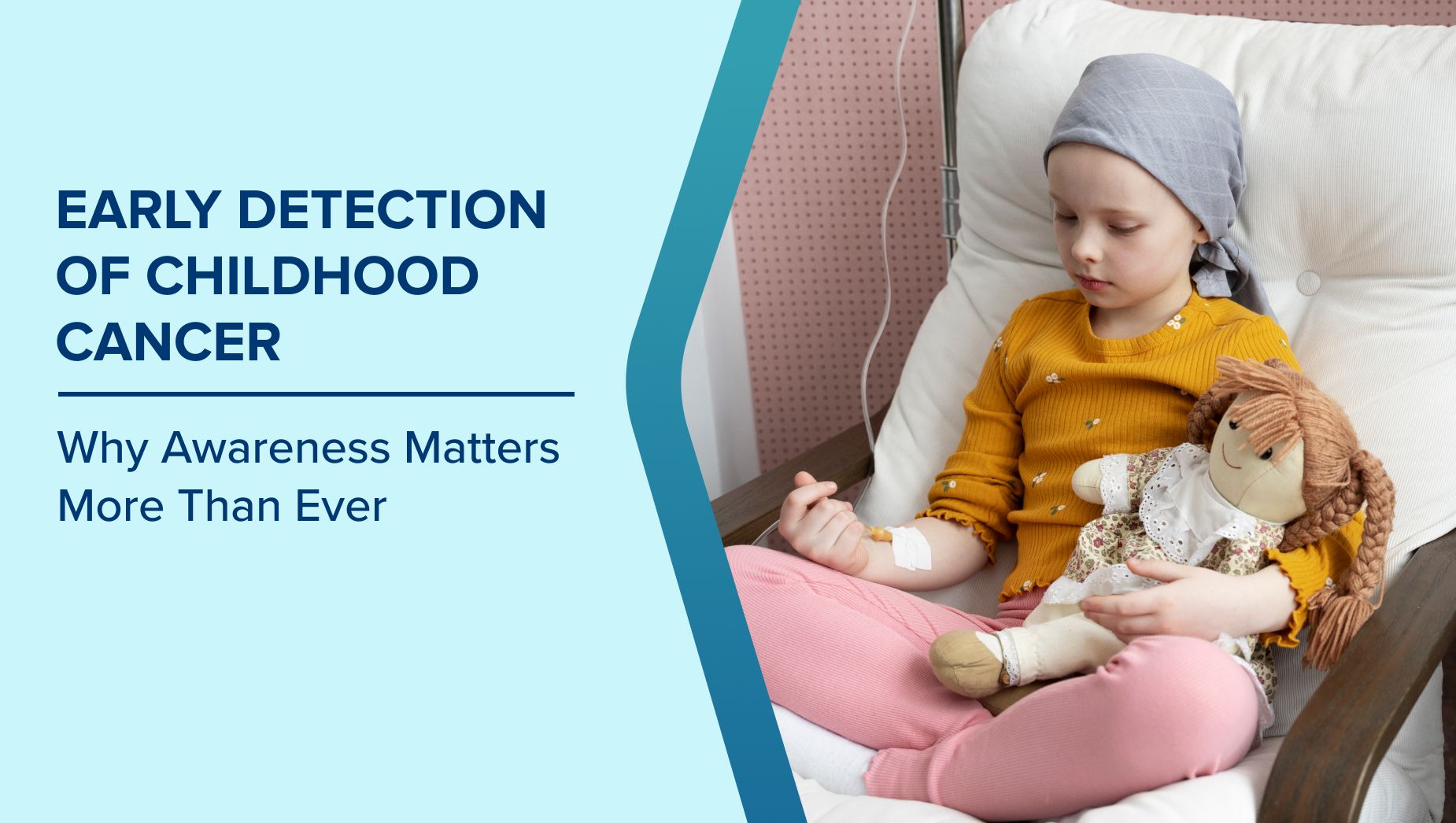
Call Us+91 926 888 0303Early Detection of Childhood Cancer: Why Awareness Matters More Than Ever
By Dr. Prachi Jain (Pediatric Oncology) in Paediatric (Ped) Oncology , Cancer Care / Oncology
Nov 26 , 2025 | 2 min read

Childhood is meant to be filled with curiosity, growth, and joy. Most symptoms, such as fever, fatigue, or body aches, are usually due to common infections. However, in some cases, persistent or unusual signs can indicate a more serious condition. Childhood cancers are uncommon, yet they affect many families every year. Recognising the early warning signs can make a major difference in treatment success.
Why Early Detection Can Change Outcomes
The early stages of childhood cancer often resemble everyday illnesses. A child who appears pale may be perceived as being tired. A recurring fever may be attributed to seasonal bugs. Even unexplained weight loss may be seen as a temporary loss of appetite.
Because these cancers are rare, they may not be the first thing parents or doctors suspect. This is why awareness is essential. The sooner a problem is identified, the sooner treatment can begin. Early diagnosis often allows for less aggressive therapies, reduces complications, and increases the chances of complete recovery.
Symptoms That Should Not Be Ignored
Parents, caregivers, and even teachers should stay alert to symptoms that persist or seem unusual. A medical check is recommended if a child experiences:
- Recurring fever that does not improve with routine treatment
- Noticeable or unexplained weight loss
- Lumps or swellings in the neck, armpit, groin, or abdomen
- Ongoing tiredness or an unusually pale appearance
- Easy bruising or frequent nosebleeds
- Persistent body or bone pain, especially during the night
- Repeated headaches, especially when accompanied by early morning vomiting
These symptoms do not always mean cancer, but they do indicate the need for timely medical evaluation.
A Story That Highlights the Difference Early Action Can Make
A young boy in primary school began feeling more tired than usual. His parents assumed it was related to studies and daily routine. But when fevers became frequent and he looked increasingly pale, they sought medical help. A simple blood test revealed leukaemia. Because they acted quickly, treatment started without delay. Today, he has returned to school and is once again enjoying his daily activities.
This is just one example of how early medical attention can help children get the right care at the right time.
Modern Treatment Gives Children a Strong Chance of Recovery
With advances in medical care, survival rates for many childhood cancers have improved significantly. Centres equipped with trained specialists, advanced diagnostics, and supportive care facilities offer outcomes comparable with leading global standards. Many children, infants, toddlers, and teenagers alike are successfully treated and go on to lead healthy lives.
How Families, Schools, and Communities Can Help
Everyone who interacts with a child plays a role in early detection:
- Parents should trust their instincts when something feels “off.”
- Teachers may notice changes in a child’s energy, performance, or appearance early on.
- Communities can support awareness drives and encourage regular check-ups for children with persistent symptoms.
A collaborative effort helps ensure no warning sign goes unnoticed.
Conclusion
Childhood cancers are rare, but early diagnosis greatly increases the chances of successful treatment. Awareness, careful observation, and timely medical consultation are powerful tools that can protect a child’s health. By paying attention to symptoms that persist or seem unusual, families can help ensure children receive the care they need, allowing them to recover, grow, and thrive.
Written and Verified by:

Related Blogs

Dr. Ramandeep Singh Arora (Paed Onco) In Paediatric (Ped) Oncology , Cancer Care / Oncology
Oct 25 , 2016 | 2 min read

Dr. Ramandeep Singh Arora (Paed Onco) In Paediatric (Ped) Oncology , Cancer Care / Oncology
Sep 04 , 2017 | 3 min read
Blogs by Doctor

Know About the Common Cancer Myths and Misconceptions
Dr. Prachi Jain (Pediatric Oncology) In Medical Oncology , Cancer Care / Oncology
Feb 13 , 2017 | 8 min read
Most read Blogs


Related Blogs
Dr. Ramandeep Singh Arora (Paed Onco) In Paediatric (Ped) Oncology , Cancer Care / Oncology
Oct 25 , 2016 | 2 min read
Dr. Ramandeep Singh Arora (Paed Onco) In Paediatric (Ped) Oncology , Cancer Care / Oncology
Sep 04 , 2017 | 3 min read
Blogs by Doctor
Know About the Common Cancer Myths and Misconceptions
Dr. Prachi Jain (Pediatric Oncology) In Medical Oncology , Cancer Care / Oncology
Feb 13 , 2017 | 8 min read
Most read Blogs