 WhatsApp Us (24/7)
 +91 926 888 0303 (24/7)


To Book an Appointment
Call Us+91 926 888 0303Turner Syndrome Explained: Causes, Symptoms, Diagnosis and Treatment
By Dr. Sakshi Sahil Bansal in Obstetrics And Gynaecology
Jun 26 , 2025 | 8 min read

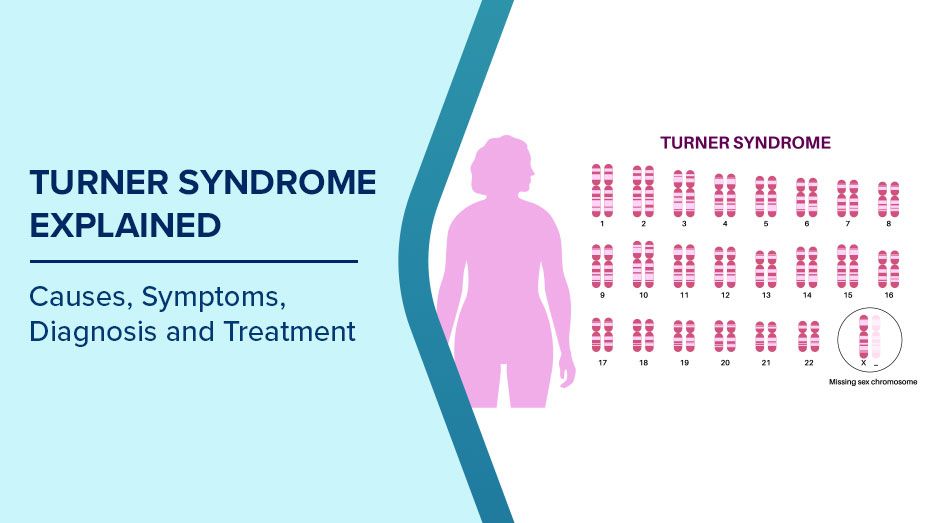
Turner syndrome is a congenital disorder found in girls, caused by a missing or altered X chromosome. This genetic change can lead to short height, delayed puberty, and problems with the heart or kidneys. In some cases, the condition is detected during pregnancy or early childhood, but in others, the signs may not appear until later. The effects can differ from person to person, but with early care and regular check-ups, many of the challenges can be managed effectively. This blog explores how Turner syndrome affects the body, what causes it, how it is diagnosed, and the types of treatment that may help, beginning with what the condition actually means.
What is Turner Syndrome?
Turner syndrome is a rare genetic condition caused by an abnormality in one of the two sex chromosomes in females. The condition can influence how the body grows, especially during childhood and adolescence. Most girls with Turner syndrome have a shorter height than expected and may not go through puberty without medical support. In addition to affecting growth and sexual development, the condition can also increase the risk of certain health issues involving the heart, kidneys, thyroid, and bones. The range of features may vary widely, and some signs may only become noticeable during routine health checks or delayed milestones.
Types of Turner Syndrome
Turner syndrome is broadly classified into two types based on the pattern of the affected chromosomes:
- Classic Turner Syndrome: This occurs when one of the two X chromosomes is completely missing in every cell. It often leads to more noticeable features, such as short height, delayed puberty, and certain birth defects like heart or kidney problems.
- Mosaic Turner Syndrome: In this form, some cells have the usual two sex chromosomes, while others are missing one X chromosome. Because not all cells are affected, the symptoms may be fewer or milder, and the condition might go unnoticed until later in life.
The type of Turner syndrome can influence how early the condition is detected and the kind of medical care that may be required.
What Causes Turner Syndrome?
Turner syndrome is caused by a problem with the sex chromosomes in a female’s cells. Normally, females have two X chromosomes, but in Turner syndrome, one X chromosome is either missing or incomplete. This usually happens due to an error during the formation of reproductive cells or early in the development of the embryo. The exact reason why this error happens is not fully understood. Because of this missing or altered chromosome, the body’s development can be affected in several ways, leading to the symptoms associated with Turner syndrome. The condition is not inherited from the parents and occurs randomly.
What are the Common Symptoms of Turner Syndrome?
Turner syndrome can cause a range of symptoms that vary in severity from person to person. Some of the most common signs include:
- Short stature that becomes more noticeable during childhood
- Webbed or broad neck, with extra folds of skin
- Low hairline at the back of the head
- Swelling (lymphedema) of hands and feet, especially at birth
- Delayed or absent puberty caused by underdeveloped ovaries
- Infertility due to lack of normal ovarian function
- Heart defects, such as narrowing of the aorta (coarctation) or other structural problems
- Kidney abnormalities that may affect function but often go undetected without tests
- Hearing issues, including frequent ear infections or gradual hearing loss
- Bone problems, such as weaker bones (osteoporosis) or spinal curvature (scoliosis)
Symptoms can vary widely between individuals, and some may not show many obvious signs. Regular check-ups help to identify and manage these symptoms effectively over time.
How is Turner Syndrome Diagnosed?
Turner syndrome is usually diagnosed through a combination of physical signs, medical history, and specialised tests.
Prenatal Diagnosis
Turner syndrome can sometimes be suspected during pregnancy. A routine ultrasound may show signs such as fluid buildup at the back of the neck (nuchal translucency), heart defects, or slowed growth. If these features are seen, further testing is offered. This includes:
- Chorionic Villus Sampling (CVS): A small sample of placental tissue is taken to examine the chromosomes. Usually done between 11 and 13 weeks of pregnancy.
- Amniocentesis: A sample of amniotic fluid is tested for chromosomal changes. Typically performed after 15 weeks of pregnancy.
These tests help confirm if one of the X chromosomes is missing or structurally changed.
Diagnosis After Birth
When Turner syndrome is not picked up during pregnancy, it may be noticed shortly after birth or during early childhood. Certain features may raise concern, such as:
- Swelling of the hands and feet in newborns
- A wide or webbed neck
- Low-set ears or a low hairline
- Unusually short height for age
Doctors may recommend genetic testing if these signs are present.
Genetic Testing
The main test used to confirm Turner syndrome is karyotype analysis which looks at the number and structure of chromosomes. This can show if one X chromosome is missing entirely or partially, or if there is a mixture of different cell types (as seen in mosaic Turner syndrome).
In some cases, further genetic tests such as fluorescence in situ hybridisation (FISH) or microarray analysis may be used to detect subtle changes in the chromosomes.
Additional Tests After Diagnosis
Once Turner syndrome is confirmed, several other tests are recommended to check for related health concerns:
- Heart scan (echocardiogram) to detect structural problems
- Kidney ultrasound to look for any abnormalities
- Blood tests to measure hormone levels
- Hearing tests are due to the risk of hearing loss
- Bone density scans to monitor bone strength
- Thyroid function tests, as thyroid issues are more common
These assessments help doctors plan long-term care and monitor possible complications.
What Treatment Options are Available for Turner Syndrome?
There is no cure for Turner syndrome, but several treatment options can help manage the symptoms and support healthy development. Treatment usually begins early and continues through adolescence and adulthood, depending on individual needs. The focus is on managing physical growth, supporting puberty, and monitoring for related health problems.
Growth Hormone Therapy
This treatment is commonly started in early childhood to help improve height. Injections of growth hormone are given regularly, often daily, and can help a child reach a more average adult height. The earlier this treatment begins, the more effective it tends to be.
Oestrogen Replacement Therapy
Most girls with Turner syndrome do not go through puberty naturally due to underdeveloped ovaries. Oestrogen is introduced around the age when puberty usually begins to support breast development, menstruation, and bone strength. This may later be followed by a combination of oestrogen and progesterone to maintain regular menstrual cycles.
Fertility Support
Although natural conception is rare, options such as egg donation and assisted reproductive techniques may be considered in adulthood. Fertility counseling is often part of long-term care planning.
Heart and Kidney Monitoring
Regular checks are important to detect and manage heart defects or kidney abnormalities. Imaging tests such as echocardiograms and kidney ultrasounds may be done at the time of diagnosis and repeated as needed.
Hearing and Ear Care
Since ear infections and hearing loss are more common, regular hearing tests are advised. Some individuals may need hearing aids or minor surgical procedures to manage middle ear problems.
Thyroid and Bone Health
Underactive thyroid and weak bones are more likely in Turner syndrome. Regular blood tests and bone density scans help in early detection. Supplements or medications may be prescribed if needed.
Learning and Emotional Support
While intelligence is usually normal, some may face challenges with maths, spatial awareness, or social interactions. Educational support and psychological counselling can help address these areas and improve confidence and day-to-day functioning.
What Complications are Associated With Turner Syndrome?
Turner syndrome can lead to several complications that affect different parts of the body over time. These complications vary in severity and may appear at different stages of life, depending on how early the condition is diagnosed and managed. Regular health monitoring helps detect and address these issues before they become serious.
Heart Complications
Heart defects are among the most serious health concerns. Common problems include a narrowing of the aorta (coarctation of the aorta) or an abnormal heart valve (bicuspid aortic valve). These defects can lead to high blood pressure and increase the risk of aortic dissection later in life. Regular heart check-ups are essential for early detection and treatment.
Kidney Abnormalities
About one-third of individuals with Turner syndrome have kidney problems, such as one kidney being unusually shaped or located. These changes do not always cause symptoms but can increase the risk of urinary tract infections or high blood pressure. Kidney function is usually monitored with imaging tests.
Hearing Loss
Progressive hearing loss is common, especially during adolescence and adulthood. It often results from repeated middle ear infections in childhood or nerve-related changes. Untreated hearing problems can affect communication and learning, so regular hearing assessments are important.
Osteoporosis and Bone Health
Weaker bones are a common issue, particularly in those who do not receive proper hormone therapy. Oestrogen helps maintain bone density, so without it, bones may become brittle and more prone to fractures. Bone health is supported through hormone treatment, physical activity, and nutritional support.
Thyroid Disorders
There is a higher chance of developing an underactive thyroid (hypothyroidism), which can cause tiredness, weight gain, and poor growth. Regular blood tests help monitor thyroid function, and medication is prescribed if needed.
Infertility
Most individuals with Turner syndrome are unable to conceive naturally due to ovarian failure. This is one of the most common long-term effects. Assisted reproductive options may be considered later in life for those who wish to have children.
Diabetes and Metabolic Concerns
The risk of developing type 2 diabetes and high cholesterol levels may be slightly higher. Maintaining a healthy lifestyle and having regular screenings can help prevent or manage these problems early.
Liver Abnormalities
Some individuals may develop mildly abnormal liver function. These changes are often found through routine blood tests and usually do not cause symptoms, though they still require monitoring.
Emotional and Social Challenges
Difficulties with social interactions, low self-esteem, and anxiety are reported in some cases. These issues may affect school, relationships, or work life. Support through counselling and learning interventions can be helpful.
Consult Today
Managing Turner syndrome goes beyond treating symptoms, it often means adjusting to new routines, keeping up with health checks, and preparing for what lies ahead. These ongoing needs can feel overwhelming at times, especially when decisions affect both health and daily life. In such moments, clear guidance and dependable medical support can make the path forward easier to follow. At Max Hospital, care for Turner syndrome is supported by specialists in endocrinology, cardiology, gynaecology, ENT, and paediatrics, who work together to address the different needs that may arise. To explore available treatment options or to schedule a consultation, reach out to the team at Max Hospital and take the first step towards coordinated, compassionate care.
Written and Verified by:

Related Blogs

Dr. Manju Khemani In Obstetrics And Gynaecology
Oct 27 , 2020 | 3 min read

Dr. Neera Aggarwal In Obstetrics And Gynaecology , Nutrition And Dietetics
Nov 07 , 2020 | 7 min read
Blogs by Doctor

Quadruple Marker Test: Price, Normal Range & Results
Dr. Sakshi Sahil Bansal In Obstetrics And Gynaecology
Apr 22 , 2025 | 4 min read
Vaginal Cancer 101: Types, Causes, Symptoms and Treatment Options
Dr. Sakshi Sahil Bansal In Obstetrics And Gynaecology
Jun 24 , 2025 | 11 min read
Most read Blogs

Related Blogs
Dr. Manju Khemani In Obstetrics And Gynaecology
Oct 27 , 2020 | 3 min read
Dr. Neera Aggarwal In Obstetrics And Gynaecology , Nutrition And Dietetics
Nov 07 , 2020 | 7 min read
Blogs by Doctor
Quadruple Marker Test: Price, Normal Range & Results
Dr. Sakshi Sahil Bansal In Obstetrics And Gynaecology
Apr 22 , 2025 | 4 min read
Vaginal Cancer 101: Types, Causes, Symptoms and Treatment Options
Dr. Sakshi Sahil Bansal In Obstetrics And Gynaecology
Jun 24 , 2025 | 11 min read
Most read Blogs