 WhatsApp Us (24/7)
 +91 926 888 0303 (24/7)


To Book an Appointment
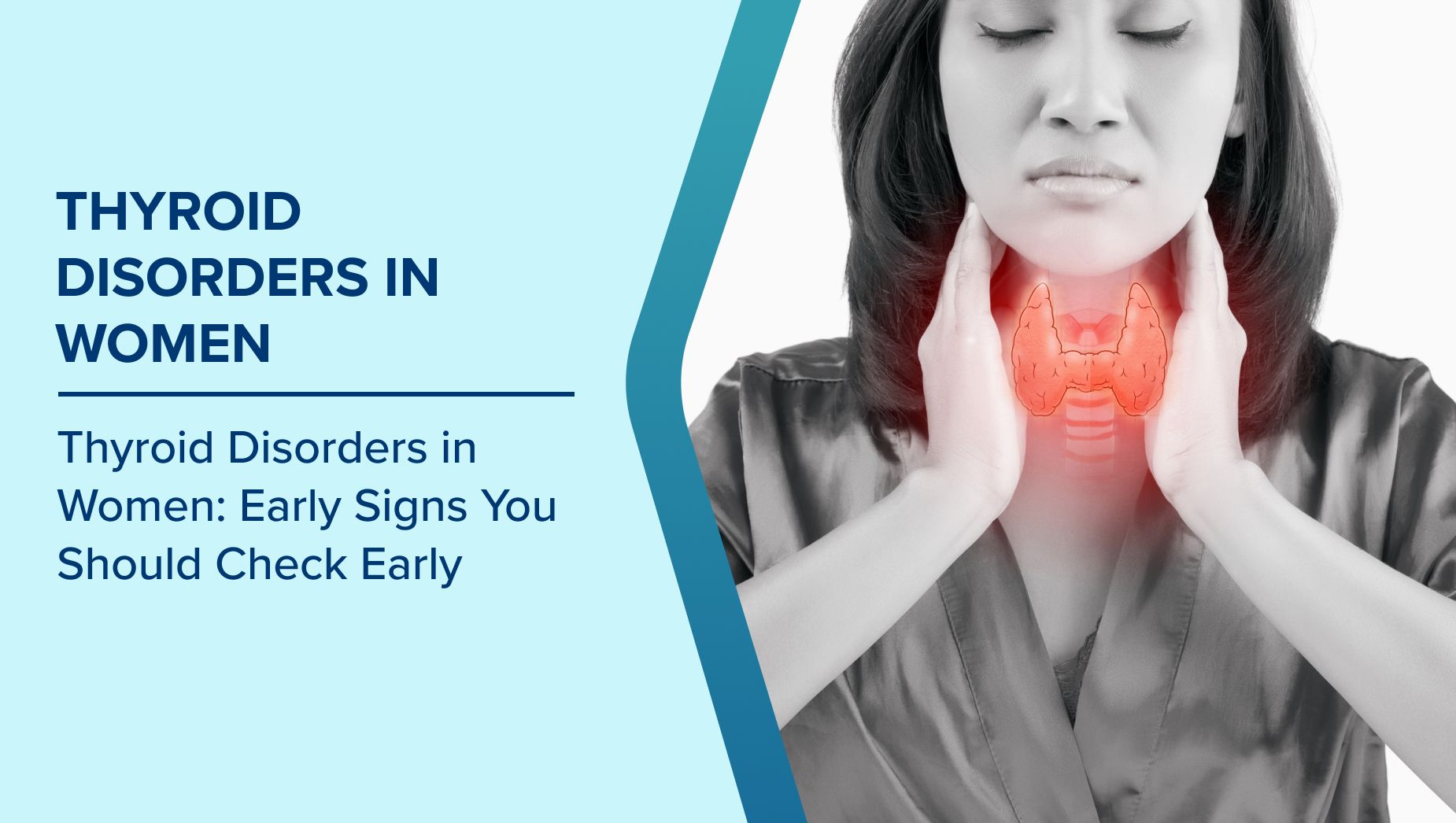
Call Us+91 926 888 0303Thyroid Disorders in Women: Early Signs You Should Check Early
By Dr. Meenakshi Jain in Internal Medicine
Jan 05 , 2026 | 6 min read

Thyroid problems are becoming more common in women worldwide. The thyroid is a small gland at the base of the neck that affects energy, weight, mood, and reproductive health. When it is out of balance, even subtle changes in daily life can appear. Noticing early signs and acting quickly makes diagnosis and treatment simpler and can prevent complications later.
What Is Causing the Rise of Thyroid Disorders in Women
Several factors are likely contributing to the growing number of thyroid diagnoses in women.
- Age and hormones: Women experience frequent hormonal shifts through menstruation, pregnancy, and menopause. These changes can affect immune function and make the thyroid more vulnerable to imbalance.
- Autoimmune conditions: Autoimmune thyroid diseases like Hashimoto’s thyroiditis and Graves' disease are a major cause of thyroid dysfunction. Autoimmunity appears to be increasing overall, for reasons that include environmental and lifestyle changes.
- Environmental exposure: Iodine levels, certain chemicals, and pollution can influence thyroid function. In some regions, iodine deficiency remains a problem, while in others, excess iodine or chemical exposures can cause trouble.
- Better awareness and testing: More people and clinicians are checking thyroid function, so mild cases are caught earlier. Screening is more common during pregnancy and routine health checks, which raises diagnosis rates.
- Stress, diet, and lifestyle: Chronic stress, poor sleep, processed diets, and sedentary habits affect metabolism and immune health. These factors can make thyroid disorders more likely or worsen existing problems.
- Family history: Genetics play a strong role. Women with a family history of thyroid disease are at higher risk and should be alert to early signs.
Early Signs of Thyroid Disorder Women Should Notice
Early symptoms are often subtle and can be mistaken for stress or normal life changes. Watch for clusters of these signs rather than single symptoms.
Signs of low thyroid function, or hypothyroidism
- Persistent tiredness despite sleep.
- Weight gain or difficulty losing weight.
- Cold sensitivity, especially in hands and feet.
- Dry skin and brittle hair.
- Constipation and slowed digestion.
- Slow thinking, forgetfulness or low mood.
- Heavy or irregular menstrual cycles.
Signs of an overactive thyroid, or hyperthyroidism
- Unexplained weight loss despite normal appetite.
- Rapid heartbeat, palpitations, or feeling anxious.
- Increased sweating and heat sensitivity.
- Tremors or shaky hands.
- Trouble sleeping.
- Light or absent periods.
Other warning signs
- A new lump or swelling in the front of the neck.
- Persistent hoarseness or change in voice.
- Unexplained hair thinning or sudden changes in nails.
If several of these signs appear together, a thyroid test is a reasonable next step.
How Thyroid Imbalance Affects Daily Life
Thyroid hormones touch nearly every body system. The most common day-to-day impacts include:
- Energy and mood: Low thyroid slows the body and mind. Women may feel fatigued, have low motivation, and notice changes in mood. High thyroid creates a state of tension, anxiety, and restless energy.
- Weight and appetite: Hypothyroidism tends to slow metabolism and make weight management harder. Hyperthyroidism often increases appetite but still causes weight loss.
- Reproductive health: Thyroid function influences menstrual cycles, fertility, and pregnancy outcomes. Untreated thyroid disease can cause irregular cycles, difficulty conceiving, and higher risks during pregnancy.
- Cognitive function: Many women report brain fog, memory lapses, or slower thinking with low thyroid. High thyroid may affect concentration through anxiety and sleep loss.
- Skin, hair and nails: Changes in skin texture, hair loss, or brittle nails are common, and they can be the first things women notice.
- Bone and muscle health: Longstanding, untreated thyroid disease can weaken bones and cause muscle aches. This is a long-term risk, so early action matters.
When to See a Doctor for Thyroid Symptoms
Consider seeing a healthcare professional if you experience:
- Several of the symptoms listed above that persist for more than a few weeks.
- Noticeable changes in menstrual cycle or fertility challenges.
- Unexplained weight change with no clear cause.
- A visible swelling or lump in the neck.
- New or worsening anxiety, palpitations, or fainting episodes.
If pregnant or planning a pregnancy, it is important to check thyroid function, as untreated thyroid problems can affect the baby and the pregnancy outcome.
Diagnosis and Testing for Thyroid Problems
Testing is straightforward and begins with blood work. Common tests include:
- TSH test: Thyroid-stimulating hormone is often the first screening test. High TSH suggests low thyroid function. Low TSH suggests overactivity.
- Free T4 and Free T3: These measure the actual thyroid hormones in the blood and help confirm the diagnosis.
- Thyroid antibody tests: Anti-TPO and anti-thyroglobulin antibodies identify autoimmune thyroid disease, which guides treatment and monitoring.
- Ultrasound: If a lump or swelling is present, an ultrasound visualises the gland and nodules.
- Fine needle aspiration: If a nodule raises concern, a small needle biopsy can sample tissue to check for malignancy.
- Interpretation and follow-up: Results must be viewed in context with symptoms, age, pregnancy status and other health issues. Repeat testing over time helps decide treatment.
Simple Lifestyle Habits That Support Thyroid Health
Lifestyle changes cannot cure every thyroid condition, but they support treatment and overall well-being.
Balanced nutrition
- Ensure adequate iodine intake through iodised salt or foods like seafood, but avoid excess iodine.
- Include selenium sources like nuts and seeds, which support thyroid metabolism.
- Eat plenty of vegetables, fruits and whole grains for steady energy.
Mind stress and sleep
- Prioritise 7 to 8 hours of sleep each night.
- Use stress reduction techniques such as gentle yoga, breathing exercises or a short daily walk.
Maintain a healthy weight
- Regular physical activity supports metabolism and mood.
- Aim for strength training twice weekly to support bone and muscle health.
Avoid smoking and limit alcohol
Both can interfere with thyroid treatment and overall health.
Timing of supplements and medications
If on thyroid medicine, take it on an empty stomach and wait 30 to 60 minutes before eating to ensure proper absorption. Calcium, iron and some supplements can interfere with thyroid hormone absorption, so space them out.
Regular check-ups
If diagnosed, keep follow-up appointments and blood tests as advised. Medication doses may need adjusting over time.
Supporting Thyroid Health Naturally and Safely
Some women seek natural measures in addition to medical treatment. Useful approaches include:
- Gentle exercise to boost metabolism and mood.
- A diet with anti-inflammatory foods like fatty fish, berries, nuts and leafy greens.
- Monitoring vitamin D levels, since low levels are linked to autoimmune disease.
- Working with a dietitian when making major dietary changes.
Do not stop prescribed thyroid medicine without discussing it with a doctor. Natural remedies may help symptoms, but rarely replace medical treatment when hormones are out of balance.
Conclusion
Thyroid disorders in women are on the rise, but early recognition and timely testing can make a major difference. If you notice changes in energy, weight, mood, menstrual cycles, or a new neck swelling, it is reasonable to discuss thyroid testing with your healthcare provider. Small lifestyle changes support treatment and improve daily well-being. Staying informed, watching for early signs, and seeking care when needed helps protect health now and into the future.
If symptoms concern you, schedule a check-up with your doctor or an endocrinologist. Early action protects fertility, mood, energy, and long-term health.
Frequently Asked Questions
Can thyroid problems affect fertility in women who have normal cycles?
Yes, even with regular cycles, thyroid imbalance can interfere with ovulation and early pregnancy. A simple thyroid test can help identify issues before fertility treatment.
How often should women have thyroid tests if they have a family history?
Annual testing is reasonable for women with a family history. More frequent checks may be advised during pregnancy or when symptoms appear.
Are thyroid nodules usually cancerous in younger women?
Most thyroid nodules are benign. Nodules that are large, growing, or linked to abnormal tests may need an ultrasound and biopsy to rule out cancer.
Can weight loss alone fix a mild thyroid imbalance?
Weight loss may improve symptoms, but it does not address hormonal causes such as autoimmunity. Medical testing is necessary to understand the root cause.
Do over-the-counter herbal supplements help thyroid function?
Some supplements claim benefits, but evidence is limited and some can interfere with medication. Discuss supplements with a doctor before starting them.
Is it safe to have children if you have thyroid disease?
Yes, many women with treated thyroid disease have healthy pregnancies. Careful monitoring and medication adjustment during pregnancy are important.
Can stress cause temporary thyroid test changes?
Stress affects hormone systems and can slightly alter test results. Consistent symptoms plus abnormal tests warrant evaluation rather than assuming stress alone.
Written and Verified by:

Related Blogs


Dr. Vandana Boobna In Internal Medicine
Nov 08 , 2020 | 2 min read
Blogs by Doctor

Care Plan for Malaria: Effective Self-Care Tips and Recovery
Dr. Meenakshi Jain In Internal Medicine
Jun 05 , 2024 | 2 min read

Commit to Your Health: Take the Pledge for Better Health This Father’s Day
Dr. Meenakshi Jain In Internal Medicine
Jul 01 , 2024 | 2 min read
Most read Blogs


Related Blogs
Dr. Vandana Boobna In Internal Medicine
Nov 08 , 2020 | 2 min read
Blogs by Doctor
Care Plan for Malaria: Effective Self-Care Tips and Recovery
Dr. Meenakshi Jain In Internal Medicine
Jun 05 , 2024 | 2 min read
Commit to Your Health: Take the Pledge for Better Health This Father’s Day
Dr. Meenakshi Jain In Internal Medicine
Jul 01 , 2024 | 2 min read
Most read Blogs