 WhatsApp Us (24/7)
 +91 926 888 0303 (24/7)


To Book an Appointment
Call Us+91 926 888 0303Mouth Ulcer vs Oral Cancer: Causes & Warning Signs
By Dr. Shilpi Sharma in Surgical Oncology , Cancer Care / Oncology , Head & Neck Oncology
Apr 28 , 2026

Mouth ulcers are a common oral health problem that many people experience at some point in their lives. In most cases, these small, painful sores are harmless and heal on their own within one to two weeks. However, a persistent mouth ulcer that does not heal may sometimes be one of the oral cancer symptoms that requires medical attention. Understanding the causes of mouth ulcers, recognising oral health warning signs, and knowing when to seek medical advice can help people protect their oral health and detect serious conditions early.
What Are Mouth Ulcers?
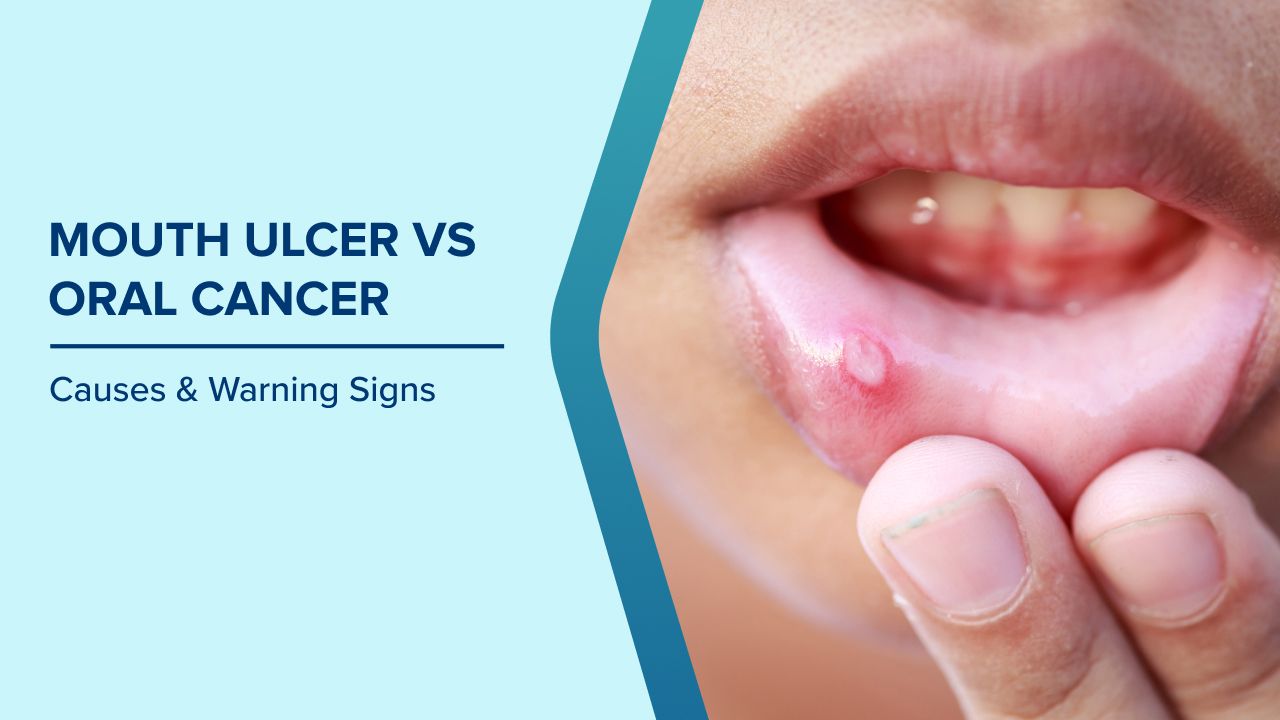
Mouth ulcers, also known as canker sores, are small sores that develop inside the mouth. They commonly appear on the inner cheeks, tongue, gums, or lips and can cause discomfort while eating or speaking.
These sores are extremely common and can affect people of all ages. While they may be painful, most mouth ulcers are not dangerous and typically heal naturally.
Common symptoms of mouth ulcers include:
- Small, round or oval sores inside the mouth
- A white, yellow, or grey centre with a red border
- Pain or irritation when eating or drinking
- Sensitivity to spicy, salty, or acidic foods
- Temporary discomfort while speaking or chewing
Most ulcers heal within 7 to 14 days without leaving scars. However, if a persistent mouth ulcer lasts for more than 2 weeks, it should be examined by a healthcare professional.
Check Due Date:- Pregnancy Due Date Calculator
Common Causes of Mouth Ulcers
Many everyday factors can lead to the development of mouth ulcers. In most cases, these causes are temporary and do not indicate a serious disease.
Minor Mouth Injuries
Small injuries inside the mouth are among the most common causes of mouth ulcers. These may happen due to:
- Accidentally biting the inside of the cheek
- Using a hard toothbrush
- Dental procedures or braces
- Sharp or broken teeth
Such injuries usually heal quickly and do not lead to long-term problems.
Stress and Fatigue
Emotional stress and physical fatigue can weaken the immune response and trigger painful mouth sores in some individuals. Stress-related ulcers often occur during busy or emotionally challenging periods.
Hormonal Changes
Hormonal fluctuations, especially during menstruation, pregnancy, or menopause, may contribute to recurring mouth ulcers in some women.
Vitamin Deficiencies
Deficiencies in certain nutrients can increase the risk of mouth ulcers. These include:
- Vitamin B12
- Iron
- Folate
A balanced diet plays an important role in preventing such deficiencies.
Food Sensitivities
Some foods may irritate the lining of the mouth and trigger ulcers, particularly:
- Spicy foods
- Citrus fruits
- Acidic beverages
- Very salty foods
For most people, avoiding trigger foods helps prevent recurrence.
Certain Medications
Some medications may increase the risk of mouth ulcers, including those that affect the immune system or cause dry mouth.
Although these causes are common, most mouth ulcers heal naturally within 1 to 2 weeks without medical treatment.
What Is Oral Cancer?
Oral cancer is a type of cancer that develops in the tissues of the mouth. It may affect areas such as:
- The tongue
- The lips
- The gums
- The roof or floor of the mouth
- The inner lining of the cheeks
Early detection is extremely important because treatment is more effective when the disease is diagnosed in its early stages.
While mouth ulcers are usually harmless, some oral cancer signs may appear similar to ulcers. This is why persistent symptoms should not be ignored.
Mouth Ulcer vs Oral Cancer
Many people worry that every ulcer might be cancerous, but this is rarely the case. Understanding the difference between a typical mouth ulcer and potential oral cancer symptoms can help reduce unnecessary anxiety while encouraging timely medical evaluation when needed.
Typical Mouth Ulcers
Most mouth ulcers:
- Heal within 1 to 2 weeks
- Are usually painful
- Appear as small, round sores with a white or yellow centre
- Occur after minor irritation or stress
- Do not cause other unusual symptoms
Possible Oral Cancer Signs
In contrast, ulcers related to oral cancer may:
- Persist for more than two weeks
- Have irregular or rough edges
- Be accompanied by lumps or thick patches
- Cause difficulty chewing or swallowing
- Bleed easily or remain numb
Recognising these differences helps people know when to worry about mouth ulcers and when to seek medical advice.
Warning Signs That May Indicate Oral Cancer
Although rare, some ulcers may be associated with early symptoms of oral cancer. It is important to pay attention to changes in the mouth that do not resolve naturally.
Warning signs include:
- A persistent mouth ulcer lasting longer than two weeks
- Unexplained bleeding in the mouth
- Lumps, swelling, or thickened areas in oral tissues
- White or red patches that do not disappear
- Persistent pain, numbness, or burning sensation
- Difficulty chewing, swallowing, or speaking
If any of these oral health warning signs occur, consulting a healthcare professional or dentist is recommended.
Risk Factors for Oral Cancer
Certain lifestyle and health factors can increase the likelihood of developing oral cancer. Understanding these risks can help individuals take preventive steps.
Common oral cancer risk factors include:
- Tobacco use, including cigarettes, cigars, and smokeless tobacco
- Excessive alcohol consumption
- Infection with human papillomavirus (HPV)
- Excessive sun exposure affects the lips
- Poor oral hygiene
- Family history of certain cancers
Reducing these risk factors can significantly improve overall oral health.
When Should You See a Doctor for a Mouth Ulcer?
Most mouth ulcers heal naturally and do not require medical attention. However, certain situations may indicate the need for professional evaluation.
You should see a doctor if:
- An ulcer lasts longer than two weeks
- Ulcers occur frequently or repeatedly
- The sore becomes unusually large or painful
- There is difficulty eating, swallowing, or speaking
- The ulcer is accompanied by swelling or bleeding
Early evaluation helps rule out serious conditions and ensures appropriate treatment.
How Oral Cancer Is Diagnosed
If a healthcare provider suspects a serious condition, several tests may be performed to confirm the diagnosis.
Diagnostic steps may include:
- Oral examination: A doctor or dentist examines the mouth, tongue, and surrounding tissues for unusual changes.
- Biopsy: A small sample of tissue may be taken from the suspicious area and examined under a microscope.
- Imaging tests: Scans such as CT, MRI, or X-rays may be used to determine the extent of the condition.
These tests help determine whether symptoms are related to a harmless ulcer or something more serious.
Preventing Mouth Ulcers and Protecting Oral Health
Maintaining good oral health habits can reduce the risk of developing ulcers and help detect problems early.
Helpful preventive measures include:
- Practising good oral hygiene, including regular brushing and flossing
- Eating a balanced diet rich in vitamins and minerals
- Avoiding tobacco and excessive alcohol consumption
- Drinking plenty of water to maintain oral moisture
- Managing stress through relaxation techniques
- Scheduling regular dental check-ups
These habits support overall oral health and reduce the risk of both ulcers and more serious oral diseases.
Conclusion
Mouth ulcers are extremely common and, in most cases, harmless conditions that heal naturally within 1 to 2 weeks. However, a persistent mouth ulcer that does not heal or is accompanied by other oral cancer signs should not be ignored. Recognising the difference between ordinary ulcers and potential oral cancer symptoms can help ensure timely medical evaluation. Maintaining good oral hygiene, reducing risk factors, and seeking professional advice for persistent symptoms are essential steps in protecting long-term oral health.
Frequently Asked Questions
Can stress trigger mouth ulcers?
Yes, stress can contribute to the development of mouth ulcers in some individuals. Emotional stress may affect the immune system, increasing sensitivity in the mouth and making ulcers more likely during stressful periods.
Are recurring mouth ulcers a sign of an underlying health issue?
Occasional ulcers are common, but frequent or recurring ulcers may sometimes be linked to underlying issues such as vitamin deficiencies, immune conditions, or digestive disorders. A healthcare provider can help determine the cause if ulcers occur repeatedly.
Can vitamin deficiencies cause mouth ulcers?
Yes, deficiencies in vitamin B12, iron, and folate are known to increase the risk of mouth ulcers. Maintaining a balanced diet or taking supplements when recommended can help prevent these deficiencies.
Are mouth ulcers contagious?
No, typical mouth ulcers are not contagious and cannot spread from one person to another. They are usually caused by irritation, stress, or nutritional deficiencies rather than infections.
How long do typical mouth ulcers take to heal?
Most mouth ulcers heal within 7 to 14 days without treatment. If an ulcer persists for more than 2 weeks, medical evaluation is recommended to rule out other conditions.
Can spicy foods worsen mouth ulcers?
Yes, spicy and acidic foods can irritate existing mouth ulcers and increase discomfort. Avoiding such foods until the ulcer heals may help reduce pain and speed recovery.
Written and Verified by:

Related Blogs

Dr. S. VEDA PADMA PRIYA In Surgical Oncology , Cancer Care / Oncology
May 16 , 2016 | 2 min read

Dr. Kanika Batra Modi In Surgical Oncology , Cancer Care / Oncology
May 26 , 2016 | 4 min read
Blogs by Doctor

Tobacco's Impact on Health: Hidden Effects on Body and Mind
Dr. Shilpi Sharma In Surgical Oncology , Cancer Care / Oncology , Head & Neck Oncology
Jun 03 , 2025 | 4 min read
Head and Neck Cancers: Causes, Tobacco & Alcohol Risks & Prevention Tips
Dr. Shilpi Sharma In Surgical Oncology , Cancer Care / Oncology , Head & Neck Oncology
Aug 25 , 2025 | 3 min read
Most read Blogs


Related Blogs
Dr. S. VEDA PADMA PRIYA In Surgical Oncology , Cancer Care / Oncology
May 16 , 2016 | 2 min read
Dr. Kanika Batra Modi In Surgical Oncology , Cancer Care / Oncology
May 26 , 2016 | 4 min read
Blogs by Doctor
Tobacco's Impact on Health: Hidden Effects on Body and Mind
Dr. Shilpi Sharma In Surgical Oncology , Cancer Care / Oncology , Head & Neck Oncology
Jun 03 , 2025 | 4 min read
Head and Neck Cancers: Causes, Tobacco & Alcohol Risks & Prevention Tips
Dr. Shilpi Sharma In Surgical Oncology , Cancer Care / Oncology , Head & Neck Oncology
Aug 25 , 2025 | 3 min read
Most read Blogs