 WhatsApp Us (24/7)
 +91 926 888 0303 (24/7)


To Book an Appointment
Call Us+91 926 888 0303Infection After Cancer Surgery: Symptoms & Prevention
By Dr. Shashank Chaudhary in Uro-Oncology , Musculoskeletal Oncology , Breast Cancer , Thoracic Oncology , Gynecologic Oncology , Head & Neck Oncology , Gastro Intestinal & Hepatopancreatobiliary Surgical Oncology
Apr 28 , 2026

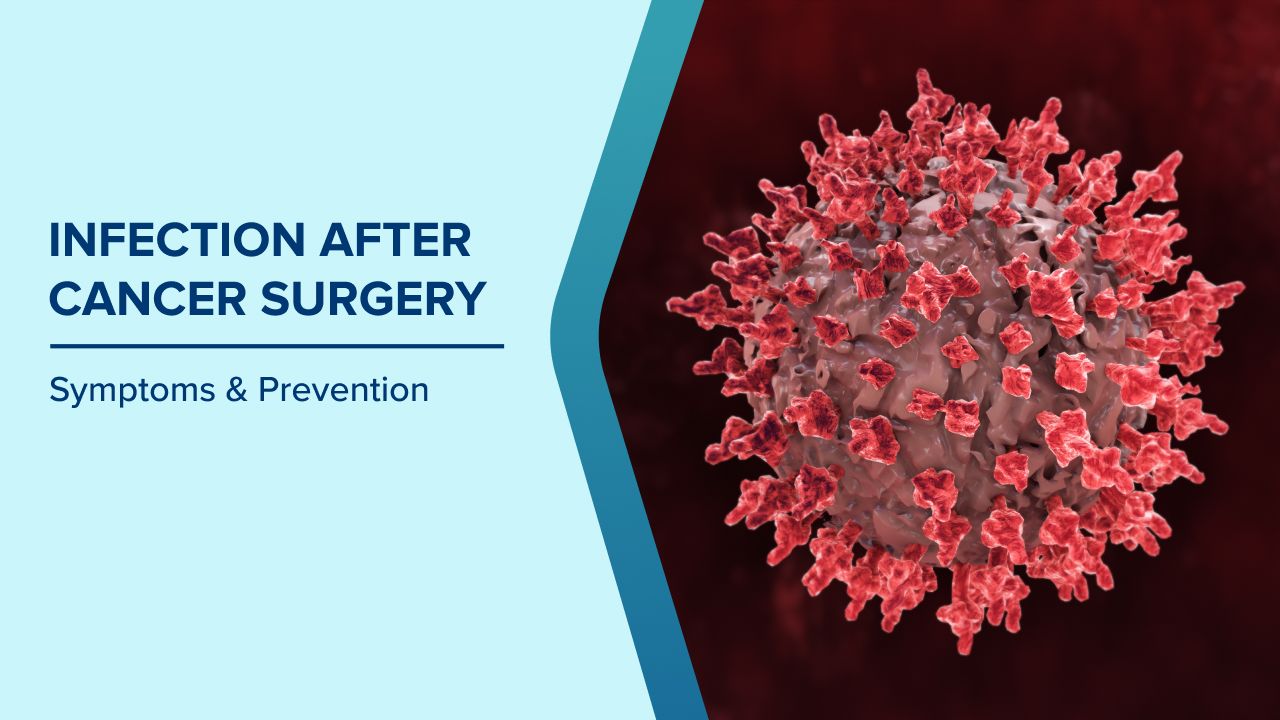
Infection after cancer surgery is a known complication that can affect recovery if not identified early. Common symptoms of surgical infections include redness, swelling, pain, fever, and wound discharge. While mild symptoms may resolve with care, a serious post-surgery infection can delay healing and lead to complications. Recognising the early signs of infection after cancer surgery and knowing when to seek medical help is essential for a safe and smooth recovery.
What Is an Infection After Cancer Surgery?
A post-surgical infection occurs when bacteria or other microorganisms enter the surgical wound and multiply. This can happen after procedures such as tumour removal or reconstructive surgery.
Cancer patients may be more vulnerable due to weakened immunity from treatments like chemotherapy or radiation. Early detection is critical to prevent complications and ensure proper recovery after cancer surgery.
Common Symptoms of Infection After Cancer Surgery
Recognising the symptoms of surgical site infection early can prevent serious complications. Signs of infection after surgery include:
- Redness around the surgical site
- Swelling and warmth
- Increasing pain instead of gradual improvement
- Pus or unusual discharge
- Fever and chills
- Delayed wound healing
Any combination of these signs of infection after surgery should not be ignored.
Causes of Post-Surgical Infections
Several factors contribute to wound infection after surgery:
- Bacteria enter the wound during or after surgery
- Poor wound care or hygiene
- Weakened immune system in cancer patients
- Long or complex surgical procedures
Understanding these causes helps improve post-surgery infection prevention.
Risk Factors for Infection After Cancer Surgery
Certain conditions increase the risk of surgical complications:
- Diabetes
- Obesity
- Smoking
- Chemotherapy or radiation therapy
- Poor nutrition
Patients with these risk factors should take extra precautions during recovery.
Types of Surgical Infections
- Superficial Wound Infection: Affects only the skin and surrounding tissue.
- Deep Tissue Infection: Involves muscles and deeper layers.
- Organ/Space Infection: Affects internal organs or surgical spaces and may require urgent treatment.
How to Prevent Infection After Cancer Surgery
Prevention is a key part of post-surgery infection management.
Hospital-Based Prevention
- Use of sterile surgical techniques
- Preventive antibiotics (when prescribed)
- Proper wound dressing
Patient Care After Surgery
Patients play an important role in infection prevention after surgery:
- Keep the wound clean and dry
- Wash your hands before touching the surgical area
- Follow all the doctor’s instructions carefully
- Avoid unnecessary touching of the wound
- Change dressings as advised
When to Seek Medical Help
Knowing when to see a doctor after surgery is critical. Seek medical attention if you notice:
- Fever above 38°C (100.4°F)
- Increasing or severe pain
- Redness spreading around the wound
- Thick or foul-smelling discharge
- Feeling weak or unwell
Treatment Options for Post-Surgical Infections
Treatment depends on the severity of the infection.
- Antibiotics to control bacterial infection
- Wound cleaning and dressing changes
- Drainage procedures if pus is present
- Hospitalisation in severe cases
Recovery and Healing After Infection
Recovery time varies depending on the severity of the infection.
- Mild infections may heal within days
- Severe infections may take longer and require close monitoring
- Regular follow-ups are essential
Conclusion
Infection after cancer surgery is a manageable but important complication that requires timely attention. Recognising early signs of surgical site infection, such as redness, swelling, fever, and discharge, can prevent serious outcomes. Proper wound care, hygiene, and adherence to medical advice are essential for preventing infections after surgery. If symptoms worsen or persist, seeking prompt medical care helps ensure a safer recovery and better overall outcomes. Awareness and early action are crucial for protecting health after cancer surgery.
Frequently Asked Questions
How common are infections after cancer surgery?
Post-surgical infections are relatively common but can usually be managed effectively with early treatment and proper care.
Can infection delay cancer recovery?
Yes, infections can slow down healing and may delay further cancer treatments such as chemotherapy.
Is fever always a sign of infection after surgery?
Not always, but persistent or high fever should be evaluated, as it may indicate an infection.
Can surgical infections become serious or life-threatening?
Yes, if untreated, infections can spread and become severe. Early medical care is essential.
How long after surgery can an infection develop?
Infections can occur within a few days or even weeks after surgery, depending on individual factors.
Can antibiotics always cure post-surgical infections?
Most infections respond to antibiotics, but some may require additional treatments, such as drainage or further procedures.
Written and Verified by:

Dr. Shashank Chaudhary Exp: 14 Yr
Surgical Oncology, Gastro Intestinal & Hepatopancreatobiliary Surgical Oncology, Musculoskeletal Oncology, Cancer Care / Oncology, Uro-Oncology, Breast Cancer, Thoracic Oncology, Gynecologic Oncology, Head & Neck Oncology, Gastrointestinal & Hepatobiliary Oncology, Robotic Surgery
Meet the doctorRelated Blogs

Dr. Anant Kumar In Urology , Kidney Transplant , Uro-Oncology
Nov 08 , 2020 | 8 min read
Dr. Shailendra Kumar Goel In Urology , Kidney Transplant , Uro-Oncology
Nov 08 , 2020 | 4 min read
Blogs by Doctor

Prevention of Cancer: What You Can Do to Stay Protected
Dr. Shashank Chaudhary In Surgical Oncology , Cancer Care / Oncology , Robotic Surgery
May 05 , 2025 | 2 min read

Oesophageal Cancer: Causes, Symptoms, and Treatment Options
Dr. Shashank Chaudhary In Surgical Oncology
Sep 08 , 2025 | 20 min read
Most read Blogs


Related Blogs
Dr. Anant Kumar In Urology , Kidney Transplant , Uro-Oncology
Nov 08 , 2020 | 8 min read
Dr. Shailendra Kumar Goel In Urology , Kidney Transplant , Uro-Oncology
Nov 08 , 2020 | 4 min read
Blogs by Doctor
Prevention of Cancer: What You Can Do to Stay Protected
Dr. Shashank Chaudhary In Surgical Oncology , Cancer Care / Oncology , Robotic Surgery
May 05 , 2025 | 2 min read
Oesophageal Cancer: Causes, Symptoms, and Treatment Options
Dr. Shashank Chaudhary In Surgical Oncology
Sep 08 , 2025 | 20 min read
Most read Blogs