 WhatsApp Us (24/7)
 +91 926 888 0303 (24/7)


To Book an Appointment
Call Us+91 926 888 0303High and Low Blood Sugar Levels: When Should You Be Concerned?
By Dr R S Mishra in Internal Medicine
Jun 16 , 2026

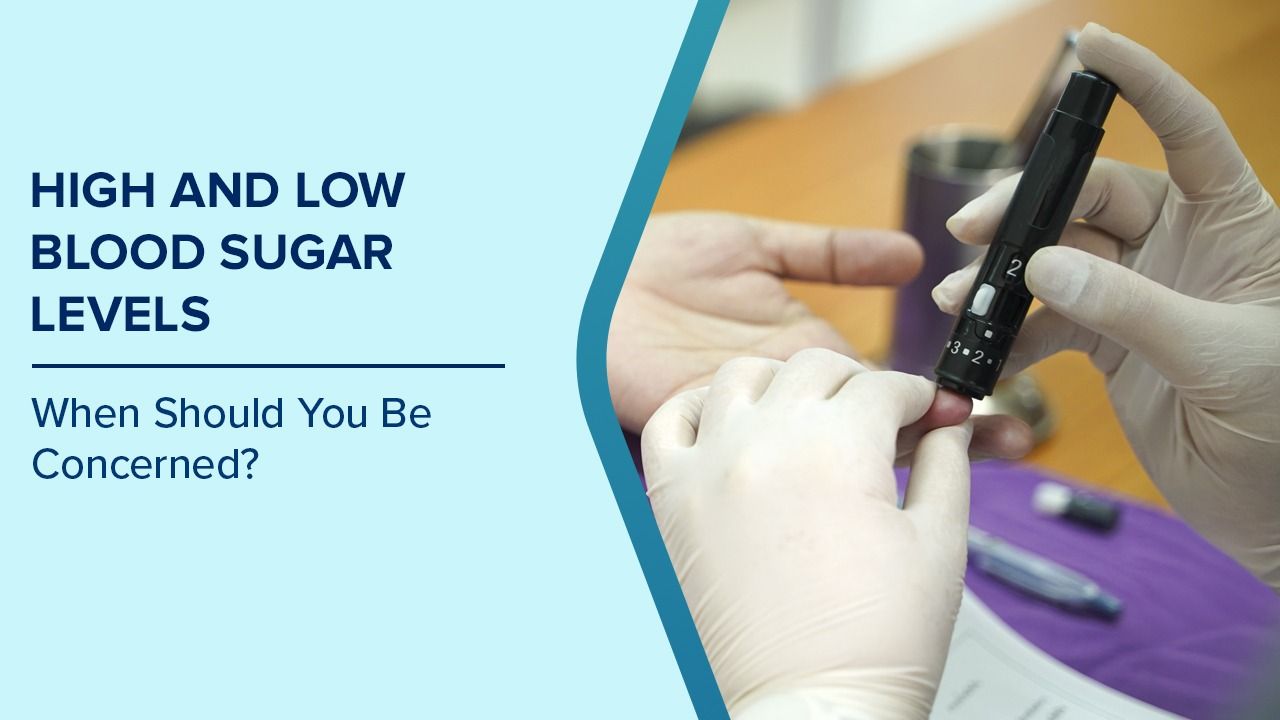
Blood sugar levels or the amount of glucose present in the blood at any given time rise and fall through the day depending on food intake, activity, and overall health. A certain range is considered normal, but levels that go too high or drop too low can lead to noticeable symptoms and, in some cases, serious health concerns. This makes it important to know what is considered normal and when a change needs attention. This blog looks at the difference between high and low blood sugar levels, the signs to watch for, and when it is time to seek medical advice.
What are Blood Sugar Levels?
Blood sugar levels refer to the amount of glucose present in the blood at a given time. Glucose is a type of sugar that comes from the food consumed, especially carbohydrates, and it serves as the main source of energy for the body’s cells. After eating, glucose enters the bloodstream, and a hormone called insulin helps move it into the cells where it is used for energy or stored for later use.
The body works to keep blood sugar within a certain range so that organs and tissues function properly. If this balance is disturbed, blood sugar levels can either rise too high or fall too low, both of which can affect how the body feels and performs.
Blood sugar levels are usually measured at specific times, such as after fasting or after meals, to understand how well the body is managing glucose.
What is Considered High Blood Sugar (Hyperglycaemia)?
High blood sugar, also known as Hyperglycaemia, occurs when the level of glucose in the blood rises above the normal range. This usually happens when the body does not produce enough insulin or is unable to use it effectively, leading to a build-up of glucose in the bloodstream.
In general, blood sugar levels are considered high if fasting levels are above 126 mg/dL or if post-meal levels rise above 180 mg/dL. Occasional spikes may happen, but consistently high readings can be a cause for concern and may require medical attention.
What are the Symptoms of High Blood Sugar?
High blood sugar can affect the body in different ways, and the symptoms often develop gradually. Common symptoms of Hyperglycaemia include:
- Frequent urination: The body tries to remove excess glucose through urine, leading to more frequent trips to the bathroom
- Increased thirst: Loss of fluids can make the body feel dehydrated
- Fatigue: Cells are unable to use glucose properly for energy, leading to tiredness
- Blurred vision: High sugar levels can affect the lenses of the eyes
- Slow-healing wounds: Cuts or infections may take longer to heal
- Unexplained weight loss: The body may start breaking down fat and muscle for energy
- Headaches: Fluctuating sugar levels can trigger discomfort
- Dry mouth and skin: Dehydration can lead to dryness in different parts of the body
When Does High Blood Sugar Become Dangerous?
High blood sugar becomes dangerous when it stays elevated for a long time or rises sharply within a short period. This is especially concerning when the body is unable to bring levels down on its own or with routine care. High blood sugar may be considered dangerous in the following situations:
- When readings remain very high: Blood sugar levels consistently above 250 mg/dL despite medication or routine measures
- During illness or infection: Fever, infections, or other health conditions can cause sudden spikes that are harder to control
- If insulin or medication is missed: Skipping doses can lead to a rapid rise in blood sugar levels
- When there is severe dehydration: Ongoing fluid loss can worsen the condition and affect overall stability
- If ketones are present: This indicates the body is breaking down fat instead of using glucose properly
- When symptoms become severe: Nausea, vomiting, abdominal pain, confusion, or difficulty breathing
What is Low Blood Sugar (Hypoglycaemia)?
Low blood sugar, also known as Hypoglycaemia, occurs when the level of glucose in the blood drops below the normal range. Glucose is the main source of energy for the body’s cells, so a sudden or significant drop can affect how the body and brain function.
Blood sugar is generally considered low when fasting levels fall below 70 mg/dL or if post-meal levels drop unexpectedly. Episodes can be mild and easily corrected, but severe hypoglycaemia can become dangerous if not addressed quickly.
What are the Symptoms of Low Blood Sugar?
Low blood sugar can appear suddenly and may range from mild to severe, depending on how low the glucose level drops. Common symptoms of Hypoglycaemia include:
- Shakiness or tremors: Feeling unsteady or jittery
- Sweating: Sudden, excessive perspiration not caused by heat or exercise
- Dizziness or lightheadedness: Feeling faint or unbalanced
- Confusion or difficulty concentrating: Trouble thinking clearly or making decisions
- Irritability or mood changes: Sudden feelings of anxiety or frustration
- Rapid heartbeat: Palpitations or a racing pulse
- Hunger: Strong or sudden urge to eat
- Headache: Pain or discomfort in the head or temples
- Weakness or fatigue: Feeling unusually tired or lacking energy
When is Low Blood Sugar a Medical Emergency?
Low blood sugar becomes a medical emergency when it drops to a level that can seriously affect the brain and body functions. At this stage, immediate action is needed to prevent complications such as seizures, unconsciousness, or permanent damage. Situations that require urgent medical attention include:
- Severe symptoms: Loss of consciousness, seizures, or inability to respond or communicate
- Repeated episodes: Frequent low blood sugar that does not improve with usual corrective measures
- Inability to take sugar orally: If a person cannot eat or drink safely to raise their blood sugar
- Confusion or disorientation: Sudden inability to recognise surroundings or perform simple tasks
- Rapidly dropping blood sugar: When glucose levels fall quickly and symptoms escalate
What Causes Sudden Fluctuations in Blood Sugar Levels?
Sudden fluctuations in blood sugar levels occur when the body’s balance of glucose, insulin, and other hormones is disrupted. Some common causes include:
- Irregular meals or skipped meals: Not eating on time or skipping meals can cause blood sugar to drop sharply. Conversely, consuming a large meal, especially one high in refined carbohydrates or sugary foods, can lead to a rapid spike in glucose levels. The body may struggle to adjust quickly, causing temporary highs or lows.
- Medication or insulin imbalance: People taking insulin or other blood sugar-lowering medications may experience fluctuations if the dose is too high or too low. Missing a dose, taking it at the wrong time, or changing medication without medical guidance can lead to unexpected highs or lows.
- Changes in physical activity: Exercise affects how the body uses glucose. Intense or prolonged physical activity can lower blood sugar suddenly, particularly if meals or snacks are not adjusted beforehand. On the other hand, reduced activity or sedentary periods may cause blood sugar to rise, especially in people with diabetes.
- Stress or illness: Physical stress, such as infection, injury, or surgery, and emotional stress, like anxiety or sudden life events, trigger the release of stress hormones such as cortisol and adrenaline. These hormones can raise blood sugar levels quickly, even in people without diabetes.
- Alcohol consumption: Drinking alcohol, especially on an empty stomach, can interfere with the liver’s ability to release glucose, causing sudden drops in blood sugar. Certain types of alcoholic drinks, particularly sugary cocktails, can also cause spikes after consumption.
- Hormonal changes: Hormonal fluctuations, such as those occurring during menstruation, pregnancy, or thyroid disorders, can affect how the body regulates blood sugar, leading to temporary highs or lows.
How Can Blood Sugar Levels be Managed Day to Day?
Blood sugar levels can be managed day to day by combining healthy habits, careful monitoring, and timely medical guidance. Some practical steps include:
- Balanced Meals: Eating a mix of carbohydrates, protein, and healthy fats in each meal can slow glucose absorption and prevent spikes. Including fibre-rich foods like vegetables, whole grains, and legumes helps maintain steady blood sugar.
- Regular Meal Timing: Eating meals and snacks at consistent times helps the body manage glucose more efficiently. Avoiding long gaps between meals can prevent sudden drops in blood sugar.
- Physical Activity: Regular exercise helps the body use glucose for energy and improves insulin sensitivity. Moderate activities such as walking, cycling, or swimming can support stable blood sugar levels, but intensity and timing should be managed carefully.
- Medication Adherence: Taking prescribed medications or insulin exactly as advised helps maintain stable glucose levels. Any changes in dosage or timing should be discussed with a healthcare provider.
- Monitoring Blood Sugar: Regular self-monitoring or using continuous glucose monitoring devices provides insights into patterns and helps identify triggers for high or low readings.
- Managing Stress and Sleep: Stress and poor sleep can affect hormones that regulate blood sugar. Practising relaxation techniques, maintaining a sleep routine, and addressing mental health can support better glucose control.
- Hydration: Drinking enough water helps the body process glucose effectively and reduces the risk of dehydration-related spikes.
- Avoiding Excessive Alcohol and Smoking: Both can affect glucose metabolism and increase the risk of fluctuations.
Combining these daily practices with regular check-ups and professional advice helps maintain blood sugar within a healthy range and reduces the risk of long-term complications.
Consult Today
Keeping your blood sugar stable can make a big difference in how you feel every day, and noticing even small changes in your body is an important step in taking control of your health. If you find your blood sugar often goes too high or too low, or if you notice new or persistent symptoms, it’s a good idea to speak with an endocrinologist at Max Hospital who can guide you safely and effectively. Reaching out early gives you the chance to prevent complications and feel more confident in managing your health every day.
Frequently Asked Questions
Can blood sugar levels change even in people without diabetes?
Yes, factors like stress, illness, hormonal changes, and diet can cause temporary fluctuations in anyone, even without a diabetes diagnosis.
How do weather or seasons affect blood sugar levels?
Hot or cold weather can influence activity levels, appetite, and hydration, which in turn can lead to slight changes in blood sugar.
Can certain supplements or herbal products affect blood sugar?
Some supplements, including chromium, cinnamon, or fenugreek, may influence glucose levels, but effects vary and should be discussed with a healthcare provider.
How quickly can blood sugar return to normal after a spike or drop?
The time depends on the cause, your body’s insulin response, and any corrective measures like eating, drinking, or medication adjustments.
Are there long-term effects of frequent blood sugar fluctuations even if average levels are normal?
Frequent swings can stress the body and may increase the risk of complications over time, even if overall averages appear normal.
Can dehydration alone affect blood sugar readings?
Yes, dehydration reduces blood volume, which can concentrate glucose in the blood and cause higher readings than usual.
Do sleep patterns influence blood sugar levels?
Poor or inconsistent sleep can affect hormones that regulate glucose, leading to higher or more unpredictable blood sugar levels.
Written and Verified by:

Related Blogs


Dr. Vandana Boobna In Internal Medicine
Nov 08 , 2020 | 2 min read
Blogs by Doctor

Most read Blogs


Related Blogs
Dr. Vandana Boobna In Internal Medicine
Nov 08 , 2020 | 2 min read
Blogs by Doctor
Most read Blogs