 WhatsApp Us (24/7)
 +91 926 888 0303 (24/7)


To Book an Appointment
Call Us+91 926 888 0303What is Hantavirus: Early Symptoms, Transmission & Prevention Tips
By Dr R S Mishra in Internal Medicine
May 08 , 2026

Hantavirus is a rare but serious viral infection primarily spread through contact with infected rodents. Understanding how hantavirus spreads is essential, as exposure to rodent droppings, urine, or saliva can lead to infection. Early hantavirus symptoms often resemble the flu but can quickly progress to severe respiratory illness. Because the condition can become life-threatening, awareness, early detection, and proper preventive measures are crucial. Recognising risks and seeking timely medical care can significantly improve outcomes and reduce complications.
What Is Hantavirus?
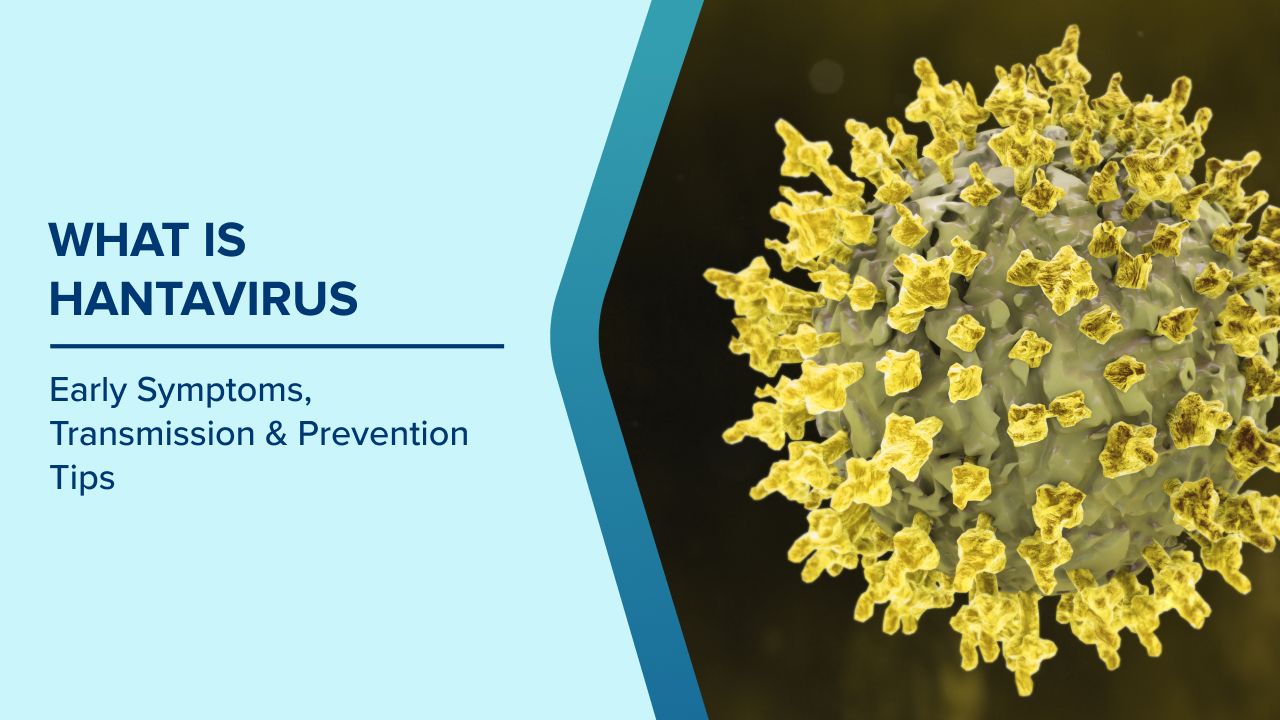
Hantavirus is a group of viruses that cause illness in humans, typically transmitted through rodents. One of the most severe forms is Hantavirus Pulmonary Syndrome (HPS), which affects the lungs and can be life-threatening.
This rodent-borne disease is uncommon but serious because it can rapidly lead to respiratory failure. Early recognition and prompt care are essential to reduce risks.
What Causes Hantavirus Infection?
The primary hantavirus causes are linked to exposure to infected rodents.
Common Sources of Infection
- Contact with rodent droppings, urine, or saliva
- Disturbing contaminated dust in enclosed spaces
- Living or working in areas with rodent infestations
The virus does not survive long outside the host but can become airborne in contaminated environments.
How Does Hantavirus Spread?
Understanding how hantavirus spreads is key to prevention.
Main Modes of Transmission
- Inhalation of contaminated particles: Breathing in dust contaminated with rodent waste is the most common cause
- Direct contact: Touching contaminated surfaces and then touching the face
- Bites from infected rodents: Rare but possible
Important Note
- Human-to-human transmission is extremely rare and not a common mode of spread.
This makes environmental exposure the main risk factor for hantavirus transmission.
Early Symptoms of Hantavirus
Early symptoms of hantavirus infection often resemble common viral illnesses.
Initial Signs to Watch For
- Fever and chills
- Fatigue and weakness
- Muscle aches, especially in the back and legs
- Headache
- Nausea or vomiting
These hantavirus symptoms typically appear 1–5 weeks after exposure.
Advanced Symptoms and Complications
As the infection progresses, symptoms can become severe and life-threatening.
Serious Symptoms
- Shortness of breath
- Persistent coughing
- Fluid buildup in the lungs
- Rapid breathing and difficulty breathing
These are signs of Hantavirus Pulmonary Syndrome and require urgent medical care.
Who Is at Risk?
Certain groups are more vulnerable to hantavirus infection.
High-Risk Individuals
- People exposed to rodents at home or work
- Farmers, construction workers, and rural residents
- Individuals in areas with poor sanitation
- Campers or hikers in rodent-infested areas
Risk increases with frequent or prolonged exposure to contaminated environments.
Is Hantavirus Contagious?
A common question is: Is hantavirus contagious?
- In most cases, hantavirus is not spread from person to person
- Transmission mainly occurs through contact with infected rodents
- Rare exceptions exist, but are extremely uncommon
This makes environmental control the most important preventive strategy.
How Is Hantavirus Diagnosed?
Diagnosis of hantavirus infection involves a combination of clinical and laboratory evaluation.
Diagnostic Methods
- Medical history, especially exposure to rodents
- Blood tests to detect viral infection
- Assessment of symptoms and lung function
Early diagnosis can help guide timely treatment.
Treatment Options for Hantavirus
There is currently no specific antiviral cure for hantavirus.
Management Includes
- Supportive care in a hospital setting
- Oxygen therapy for breathing support
- Intensive care in severe cases
- Monitoring of vital organs
Early hospitalisation improves survival, especially in hantavirus pulmonary syndrome.
Read More: What is Hemoptysis (Coughing Up Blood): Causes & Prevention Tips
How to Prevent Hantavirus Infection
Prevention is the most effective way to avoid this rodent-borne disease.
Key Prevention Strategies
- Control rodent populations in and around homes
- Seal gaps and entry points to prevent rodent access
- Store food in sealed containers
Safe Cleaning Practices
- Avoid sweeping or vacuuming rodent droppings directly
- Use disinfectant before cleaning contaminated areas
- Wear gloves and masks when cleaning
Hygiene Measures
- Wash hands thoroughly after handling materials or cleaning
- Avoid direct contact with rodents or their waste
These steps are essential for effective hantavirus prevention.
When to Seek Medical Help
Seek immediate medical attention if you notice:
- Flu-like symptoms after rodent exposure
- Sudden breathing difficulty
- Worsening fatigue or chest discomfort
Early intervention is critical to prevent severe complications.
Conclusion
Hantavirus is a serious but preventable infection that requires awareness and caution. Understanding hantavirus symptoms, recognising how hantavirus spreads, and taking preventive steps can significantly reduce risk. Since there is no specific cure, early detection and timely medical care are critical for better outcomes. Maintaining proper hygiene, controlling exposure to rodents, and seeking medical help at the first sign of illness are essential measures. With informed action, the risks associated with hantavirus infection can be effectively minimised.
Frequently Asked Questions
How common is hantavirus infection?
Hantavirus infection is rare, but cases can occur in areas with high rodent populations or poor sanitation.
Can hantavirus be cured completely?
There is no specific cure, but early supportive treatment significantly improves the chances of recovery.
How long does it take for symptoms to appear?
Symptoms usually develop 1 to 5 weeks after exposure to the virus.
Is hantavirus deadly?
Yes, it can be fatal, especially if it progresses to severe lung involvement without timely treatment.
Can pets spread hantavirus?
Pets do not typically spread hantavirus, but they may carry infected rodents into the home.
Is hantavirus found in urban areas?
Yes, it can occur in urban areas if rodent infestations are present, though it is more common in rural settings.
Written and Verified by:

Related Blogs


Dr. Vandana Boobna In Internal Medicine
Nov 08 , 2020 | 2 min read
Blogs by Doctor

Most read Blogs


Related Blogs
Dr. Vandana Boobna In Internal Medicine
Nov 08 , 2020 | 2 min read
Blogs by Doctor
Most read Blogs