 WhatsApp Us (24/7)
 +91 926 888 0303 (24/7)


To Book an Appointment
Call Us+91 926 888 0303Cancer During Pregnancy: Symptoms, Diagnose & Care
By Dr. Divya Sehra in Cancer Care / Oncology , Gynecologic Oncology , Robotic Surgery , Gynaecologic Laparoscopy
Mar 09 , 2026

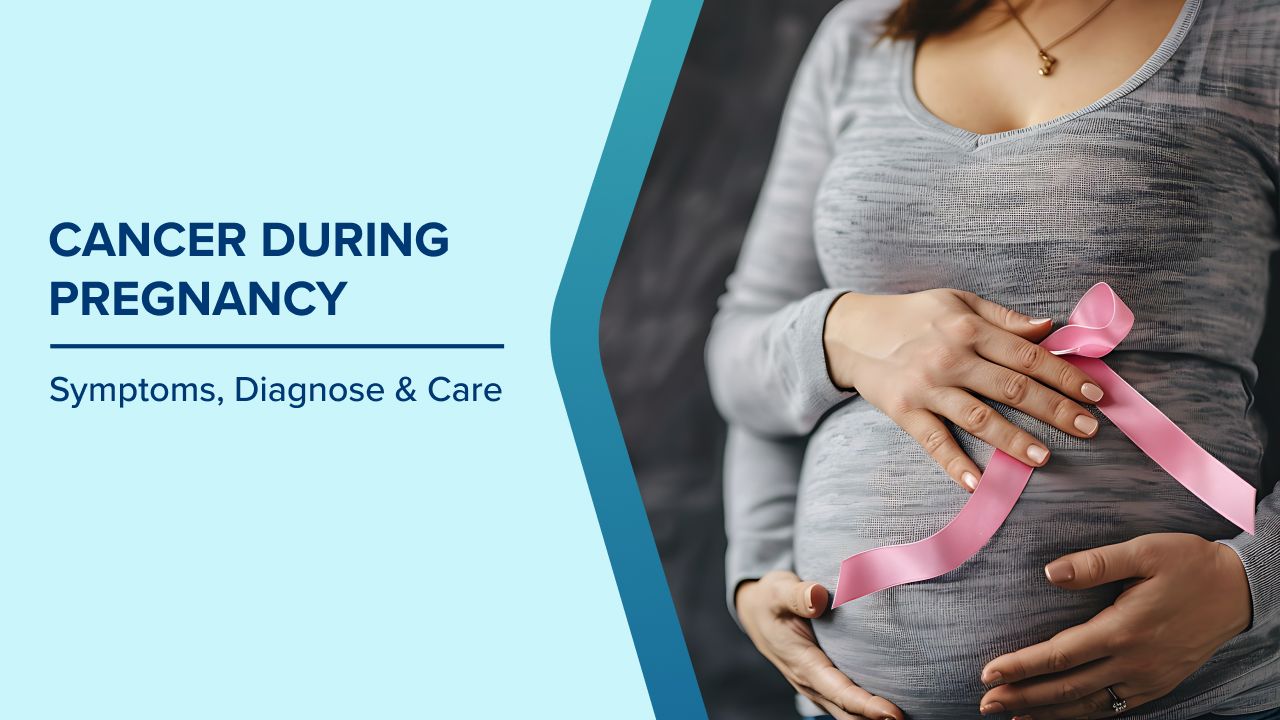
Pregnancy is usually associated with anticipation, joy, and careful planning for the future. A cancer diagnosis during this time can feel overwhelming and unexpected. While cancer during pregnancy is uncommon, it is possible, and it requires thoughtful, individualised medical care. Understanding how cancer can affect pregnancy, and how pregnancy influences cancer treatment, can help expecting mothers feel more informed and supported.
Can Cancer Occur During Pregnancy
Cancer can develop during pregnancy just as it can at any other stage of life. Some cancers are diagnosed during routine antenatal visits, while others may be discovered after symptoms appear. Pregnancy itself does not cause cancer, but hormonal and physical changes can sometimes make symptoms harder to recognise.
Cancers more commonly diagnosed during pregnancy include breast cancer, cervical cancer, ovarian cancer, thyroid cancer, and certain blood cancers. Each situation is unique, and care plans are tailored based on the type of cancer, the stage of pregnancy, and the overall health of the mother.
Recognising Symptoms Without Panic
Many physical changes during pregnancy can resemble cancer-related symptoms, which can lead to delayed diagnosis. This does not mean every symptom is a cause for concern, but it is important not to ignore persistent or unusual changes.
Symptoms that should always be discussed with a doctor include:
- A lump that does not change or resolve with medication
- Unexplained bleeding
- Persistent pain not linked to pregnancy changes
- Ongoing fatigue beyond typical pregnancy tiredness
Early evaluation allows doctors to rule out serious conditions or begin treatment promptly if needed.
How Cancer Is Diagnosed During Pregnancy
Diagnosing cancer during pregnancy requires careful selection of tests to ensure both maternal and fetal safety. Doctors prioritise diagnostic methods that do not expose the baby to unnecessary risk.
Common diagnostic approaches include:
- Ultrasound and MRI scans without contrast
- Blood tests that are safe during pregnancy
- Physical examinations and biopsies when required
Imaging tests that involve radiation may still be used if necessary, but only with strict safety precautions. The goal is always to obtain accurate information while minimising risk.
Treatment Planning During Pregnancy
Cancer treatment during pregnancy is highly individualised. A multidisciplinary team usually plans care, involving oncologists, obstetricians, and other specialists. Decisions are based on several factors:
- Type and stage of cancer
- Trimester of pregnancy
- Growth and well-being of the baby
- Overall health of the mother
Treatment may begin during pregnancy or, in some cases, be delayed until after delivery. This decision is never one-size-fits-all and is made with close medical supervision.
Cancer Treatments That May Be Used During Pregnancy
Not all cancer treatments are unsafe during pregnancy. Some therapies can be given safely, especially after the first trimester, when the baby’s organs have developed.
Depending on the situation, treatment options may include:
- Surgery to remove tumours
- Certain chemotherapy medicines during later pregnancy
- Careful monitoring until delivery, when treatment can safely begin
Other treatments, such as radiation therapy, are usually postponed due to potential risks to the developing baby.
Impact on the Baby
One of the most common concerns is whether cancer or its treatment will harm the baby. In most cases, cancer itself does not spread to the baby. With appropriate planning, many women deliver healthy babies.
Doctors closely monitor fetal growth and development throughout pregnancy. Timing of treatment and delivery is carefully coordinated to support both maternal health and fetal safety.
Emotional and Psychological Support
A cancer diagnosis during pregnancy can bring emotional distress, anxiety, and fear. Managing mental well-being is just as important as managing physical health.
Emotional support may include:
- Counselling or psychological support
- Open communication with healthcare providers
- Support from family and trusted caregivers
- Guidance on coping with uncertainty
Planning Childbirth Alongside Cancer Care
Delivery planning is coordinated alongside cancer treatment plans. Vaginal delivery is often possible unless medical reasons suggest otherwise. Caesarean section is usually reserved for obstetric or cancer-related indications.
The timing of delivery is carefully chosen to:
- Support cancer treatment schedules
- Reduce risks to the baby
- Allow safe recovery for the mother
Post-delivery care focuses on both recovery from childbirth and continuation of cancer treatment where required.
Life After Delivery and Cancer Treatment
After childbirth, cancer treatment plans may change or intensify depending on the diagnosis. Some treatments that were postponed during pregnancy may begin at this stage.
Breastfeeding may or may not be advised depending on ongoing treatment. Doctors provide clear guidance based on medication safety and maternal health needs.
Long-term follow-up focuses on:
- Cancer control and recovery
- Physical rehabilitation
- Emotional wellbeing
- Parenting support during treatment
Importance of Personalised Medical Guidance
Every pregnancy affected by cancer is different. What matters most is a personalized approach that respects the health of the mother while prioritising fetal safety.
With modern medical care, many women successfully manage cancer during pregnancy and go on to lead healthy lives with their children.
Conclusion
Cancer during pregnancy is rare but possible, and it requires careful, coordinated care. With timely diagnosis, thoughtful treatment planning, and strong emotional support, many expecting mothers navigate this journey safely.
FAQs
1. Can cancer treatment affect future fertility after pregnancy?
Fertility outcomes depend on the type of cancer and treatment received. Some treatments may affect reproductive health, while others do not. Fertility preservation options can be discussed before or after delivery.
2. Does pregnancy worsen cancer progression?
Pregnancy does not automatically make cancer more aggressive. Each case is evaluated individually, and disease behaviour varies based on cancer type rather than pregnancy alone.
3. Can prenatal vitamins interfere with cancer treatment?
Most prenatal vitamins are safe, but supplements should always be reviewed by the oncology team to avoid interactions with treatment medicines.
4. Will my baby need special monitoring after birth?
Babies born to mothers treated for cancer during pregnancy may receive additional check-ups, but many do not require long-term medical intervention.
5. Is genetic testing recommended after cancer during pregnancy?
Genetic testing may be advised in certain situations, particularly if there is a family history of cancer. This is assessed individually and does not apply to every case.
Written and Verified by:

Related Blogs

Dr. Kanika Batra Modi In Cancer Care / Oncology
Nov 07 , 2020 | 3 min read

Dr. R.Ranga Rao In Medical Oncology , Cancer Care / Oncology , Thoracic Oncology
Nov 07 , 2020 | 2 min read
Blogs by Doctor
Ovarian Cysts and Ovarian Cancer: How Lifestyle Choices Influence Your Risk
Dr. Divya Sehra In Cancer Care / Oncology , Gynecologic Oncology , Robotic Surgery
Oct 27 , 2025 | 5 min read

Most read Blogs


Related Blogs
Dr. Kanika Batra Modi In Cancer Care / Oncology
Nov 07 , 2020 | 3 min read
Dr. R.Ranga Rao In Medical Oncology , Cancer Care / Oncology , Thoracic Oncology
Nov 07 , 2020 | 2 min read
Blogs by Doctor
Ovarian Cysts and Ovarian Cancer: How Lifestyle Choices Influence Your Risk
Dr. Divya Sehra In Cancer Care / Oncology , Gynecologic Oncology , Robotic Surgery
Oct 27 , 2025 | 5 min read
Most read Blogs