 WhatsApp Us (24/7)
 +91 926 888 0303 (24/7)


To Book an Appointment
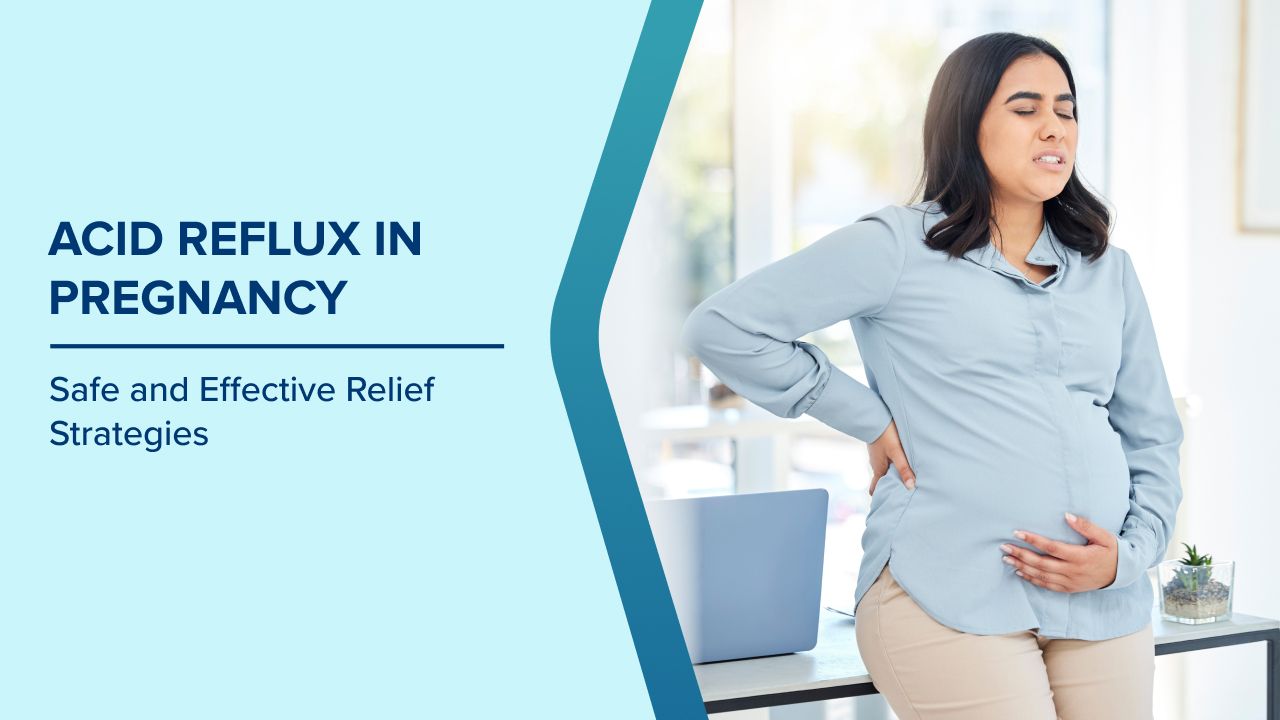
Call Us+91 926 888 0303Acid Reflux in Pregnancy: Safe and Effective Relief Strategies
By Dr. Shaveta Gupta in Infertility & IVF , Obstetrics And Gynaecology , Robotic Surgery , Gynaecologic Laparoscopy
Mar 17 , 2026

As your pregnancy progresses, you may notice a burning sensation in your chest or throat after eating. This is the unwelcome symptom of acid reflux, or heartburn, and it's an incredibly common part of being pregnant. Although it is not considered a serious pregnancy complication, it can be ongoing and uncomfortable, often disturbing your sleep and affecting your day-to-day activities. It may also leave you unsure about how to ease the discomfort.
Why is Acid Reflux So Common in Pregnancy?
Acid reflux is a very common symptom, particularly in the later pregnancy stages. The main causes are a combination of hormonal changes and the physical pressure from your growing uterus. Understanding these factors can help you feel more in control of your prenatal health.
The Role of Hormones
The hormone progesterone plays a crucial role in your pregnancy journey. It helps relax the muscles in your body, which is vital for preparing your uterus for a baby. However, this same hormone also relaxes the lower oesophageal sphincter (LES), the muscle that separates your oesophagus from your stomach. When the LES relaxes, stomach acid can easily flow back up into your oesophagus, causing that familiar burning sensation.
Physical Pressure from Your Growing Baby
As your baby grows, your uterus expands and puts increasing pressure on your stomach. This physical pressure can push stomach acid back up into your oesophagus, making acid reflux worse. This is why heartburn often becomes more pronounced in the second and third trimester care periods.
Safe and Effective Relief Strategies
Although acid reflux cannot be fully prevented during pregnancy, there are several practical measures you can take to keep it under control. These pregnancy tips are simple and can be incorporated into your daily routine.
Adjust Your Eating and Drinking Habits
- Eat Smaller, More Frequent Meals: Eating three large meals can overwhelm your digestive system. It’s commonly recommended to eat smaller meals throughout the day to reduce the pressure on your stomach.
- Avoid Trigger Foods: Notice which foods trigger your heartburn. Common culprits include:
- Spicy foods
- Fatty or fried foods
- Citrus fruits and juices
- Chocolate
- Peppermint
- Carbonated beverages
- Stay Hydrated: Drink plenty of water throughout the day, but try to avoid drinking large amounts with meals, as this can increase stomach volume and contribute to reflux.
Adjust Your Posture
- Sit Up Straight After Eating: Lying down immediately after a meal can make acid reflux worse. Try to be upright for at least an hour after eating to allow your food to digest.
- Elevate Your Head at Night: Use an extra pillow or place a wedge under your mattress to elevate your upper body while you sleep. This helps gravity keep your stomach acid where it belongs.
Safe Medications
- Antacids: Over-the-counter antacids like Tums or Rolaids are generally considered safe and effective for temporary relief. However, it is better to avoid antacids that contain a high amount of sodium or aluminium, as they can cause fluid retention or constipation.
- H2 Blockers or Proton Pump Inhibitors: If lifestyle changes and antacids aren't enough, your doctor may recommend a stronger medication like an H2 blocker (e.g., Zantac) or a proton pump inhibitor (e.g., Prilosec). You should only take these with your doctor's approval.
The Link Between Morning Sickness and Acid Reflux
For many people, the symptoms of morning sickness and acid reflux can be intertwined. The hormonal shifts that lead to nausea and vomiting can also increase the likelihood of experiencing heartburn. In addition, repeated vomiting can irritate your oesophagus, making it more susceptible to the burning sensation of reflux. Managing your morning sickness is often a good first step toward managing acid reflux.
When to Contact Your Doctor
While acid reflux in pregnancy is typically harmless, in some rare cases, it can be a sign of a more serious underlying issue. It is important to know when to seek medical advice.
- Severe or Worsening Symptoms: If your symptoms are severe, constant, and do not respond to home remedies, you should contact your doctor.
- Trouble Swallowing or Food Getting Stuck: This could be a sign of a more serious pregnancy complication that requires medical attention.
- Upper Abdominal Pain: Severe pain in your upper right abdomen, which can be mistaken for acid reflux, can be a symptom of preeclampsia, a serious condition characterised by high blood pressure.
Conclusion
Acid reflux in pregnancy is a very common part of the pregnancy journey that many women experience. It is a sign that your body is stretching and making space for your growing baby. By taking proactive steps like adjusting your diet, changing your posture, and consulting with your doctor, you can effectively manage the discomfort. This is a temporary symptom and a small part of the incredible process of bringing a new life into the world.
Frequently Asked Questions
Is acid reflux a sign of a healthy baby?
No, there is no scientific evidence to support the old wives' tale that acid reflux or heartburn means your baby will be born with a full head of hair. It is simply a common physiological symptom of pregnancy.
Can a pregnancy diet help with acid reflux?
Yes, modifying your pregnancy diet by avoiding trigger foods and eating smaller, more frequent meals can be one of the most effective ways to manage acid reflux.
Is it safe to sleep on my back?
No, it is commonly recommended that you avoid sleeping on your back, especially in the later trimester care period. Sleeping on your side is better for circulation and can also help with acid reflux.
Can stress make acid reflux worse?
Yes, stress can impact your digestive system and can make the symptoms of acid reflux worse.
Will acid reflux go away after I give birth?
Yes, in almost all cases, acid reflux and heartburn will go away after you give birth and your hormones return to their normal levels.
Is it safe to eat yoghurt?
Yes, plain yoghurt can be very soothing for acid reflux and is a great source of calcium and probiotics, which are beneficial for a healthy pregnancy.
Can acid reflux cause chest pain?
Yes, acid reflux can cause a burning sensation or a sharp pain in your chest that can be mistaken for a heart attack. If you are unsure, it is always best to seek medical attention.
Written and Verified by:

Related Blogs

Dr. Richa Singh In Infertility & IVF
Nov 08 , 2020 | 2 min read

Dr. Richa Singh In Infertility & IVF
Nov 08 , 2020 | 2 min read
Blogs by Doctor

Low Blood Pressure in Pregnancy and It’s Treatment
Dr. Shaveta Gupta In Obstetrics And Gynaecology
Jan 24 , 2022 | 6 min read

Pregnancy at 3 Weeks: What’s Happening Before You Even Test Positive?
Dr. Shaveta Gupta In Obstetrics And Gynaecology
May 09 , 2025 | 7 min read
Most read Blogs


Related Blogs
Dr. Richa Singh In Infertility & IVF
Nov 08 , 2020 | 2 min read
Dr. Richa Singh In Infertility & IVF
Nov 08 , 2020 | 2 min read
Blogs by Doctor
Low Blood Pressure in Pregnancy and It’s Treatment
Dr. Shaveta Gupta In Obstetrics And Gynaecology
Jan 24 , 2022 | 6 min read
Pregnancy at 3 Weeks: What’s Happening Before You Even Test Positive?
Dr. Shaveta Gupta In Obstetrics And Gynaecology
May 09 , 2025 | 7 min read
Most read Blogs