 WhatsApp Us (24/7)
 +91 926 888 0303 (24/7)


To Book an Appointment
Call Us+91 926 888 0303The Basics of Prostate Cancer: What Every Man Should Know
By Medical Expert Team
Jan 05 , 2026 | 11 min read

Prostate cancer is the second most frequently diagnosed cancer in men and one of the leading causes of cancer-related deaths. The good news is that prostate cancer has a high survival rate when detected early. Studies show that men diagnosed in the early stages often have a 5-year survival rate of nearly 100%. But the key to early detection lies in awareness and timely screening. Unfortunately, many men are unaware of the warning signs or simply avoid regular health check-ups due to fear of social stigma. By breaking down the basics in this blog, we hope to make the condition easier to understand, so that more men feel confident enough to take the next step. Keep reading to find out what every man should know about prostate cancer.
What is Prostate Cancer?
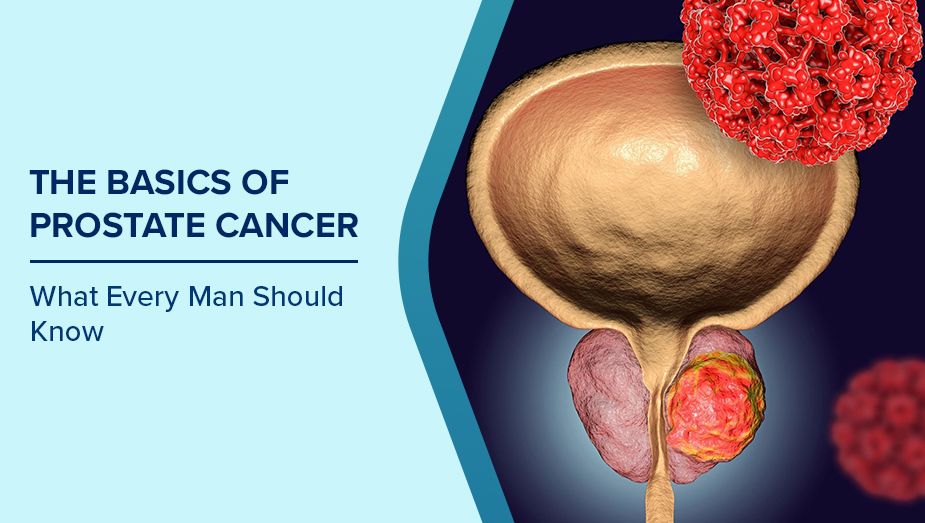
Prostate cancer is a type of cancer that begins in the prostate gland, a small, walnut-sized organ located just below the bladder in men. The prostate plays an important role in the male reproductive system by producing fluid that forms part of semen.
Prostate cancer starts when cells in the prostate begin to grow abnormally and form a tumour. In many cases, this growth is slow and may not cause symptoms for years. However, some types can grow more quickly and spread to nearby tissues or other parts of the body, such as the bones or lymph nodes.
Not all prostate growths are cancerous. Some men develop benign conditions like benign prostatic hyperplasia (BPH), which also affects urination but isn’t cancer. That’s why proper testing is important to confirm whether cancer is present and to determine how aggressive it is.
What are the Types of Prostate Cancer?
Prostate cancer can behave and grow in different ways depending on the type of cells it originates from. While most cases are slow-growing and manageable, some forms can spread quickly and may need more aggressive prostate cancer treatment. The main types include:
Acinar Adenocarcinoma
This is by far the most common type of prostate cancer, accounting for more than 90% of cases. It begins in the cells of the prostate gland that produce prostate fluid, an essential part of semen. Most acinar adenocarcinomas grow slowly and are often found during routine screenings before causing noticeable prostate cancer symptoms. Because of its prevalence, treatment guidelines are well-established for this type.
Ductal Adenocarcinoma
Less common than the acinar type, ductal adenocarcinoma starts in the cells lining the ducts of the prostate gland. It is considered more aggressive and may spread more quickly. Patients with this type are more likely to present with symptoms such as urinary obstruction or blood in urine, and diagnosis often occurs at a more advanced stage.
Transitional Cell (Urothelial) Carcinoma
This type usually starts in the bladder and spreads to the prostate, but in rare cases, it can originate in the prostate itself. It tends to behave more like bladder cancer than typical prostate cancers, and because of this, treatment is often similar to what is used for urothelial cancers of the bladder. It may involve surgery, chemotherapy, or a combination of both.
Squamous Cell Carcinoma
A rare and aggressive form, squamous cell carcinoma develops from the flat cells covering the prostate. It does not produce PSA (prostate-specific antigen), making it harder to detect through standard blood tests. It tends to spread quickly and is less responsive to hormone therapy, which is commonly used for other prostate cancers.
Small Cell Carcinoma (Neuroendocrine Tumour)
This is an uncommon but highly aggressive form of prostate cancer made up of small, round neuroendocrine cells. It usually does not produce PSA and may not respond to traditional hormone therapies. Small cell carcinoma often spreads to other organs early and typically requires chemotherapy as the main line of treatment.
What Causes Prostate Cancer?
The exact cause of prostate cancer is still not fully known, but several factors may increase the risk of developing the condition. These factors can affect how cells in the prostate grow, divide, and function, eventually leading to abnormal growth.
- Age: Age is one of the strongest risk factors. Prostate cancer is rare in men under 50, and the risk increases significantly as men grow older. Most cases are diagnosed in men over the age of 65.
- Family History and Genetics: Men with a close relative (father, brother, or son) who has had prostate cancer are more likely to develop it themselves. Inherited gene mutations, such as BRCA1 or BRCA2, may also raise the risk, though they are not as common in prostate cancer as in some other cancers.
- Ethnicity: Prostate cancer is more common in African-Caribbean and African men than in men of other ethnic backgrounds. It also tends to occur at a younger age and be more aggressive in these groups.
- Hormonal Factors: Testosterone and other male hormones (androgens) may influence prostate cancer development. High levels of these hormones can fuel the growth of prostate cells, including cancerous ones.
- Diet and Lifestyle: A diet high in red or processed meat and low in fruits and vegetables may increase the risk. Obesity and lack of physical activity are also linked to more aggressive forms of prostate cancer.
- Environmental Exposure: There is some evidence that exposure to certain chemicals, such as those used in metal work or farming, might raise prostate cancer risk, though more research is needed in this area.
It’s important to note that having one or more of these risk factors does not mean prostate cancer will develop. However, being aware of them can help encourage earlier discussions and screenings, especially in higher-risk individuals.
What are Some Common Symptoms of Prostate Cancer?
Prostate cancer often grows slowly and may not cause noticeable symptoms in its early stages. This is one reason why many cases go undetected until the cancer has advanced. However, certain signs can appear as the tumour begins to affect the surrounding tissues or organs.
Early-Stage Symptoms
In the early stages, symptoms are usually related to changes in urination due to the prostate’s position around the urethra. These may include:
- Frequent urination: Especially noticeable at night (nocturia).
- Difficulty starting or stopping urination: A weak or hesitant urine stream.
- Pain or burning during urination: May occur due to irritation or pressure from the growing tumour.
- Feeling of incomplete bladder emptying: A sense that the bladder isn’t fully emptied even after urinating.
- Dribbling at the end of urination: Involuntary leakage may also be noticed.
These early signs of prostate cancer can easily be mistaken for benign conditions like an enlarged prostate (benign prostatic hyperplasia), which is why routine check-ups are important, especially for men over 50.
Late-Stage Symptoms
As the cancer grows beyond the prostate gland, more serious symptoms may begin to appear, including:
- Blood in the urine or semen: May occur if the tumour invades nearby blood vessels.
- Erectile dysfunction: Difficulty achieving or maintaining an erection
- Pain in the hips, lower back, thighs, or pelvis: This could indicate that the cancer has spread to nearby bones or tissues.
- Unexplained weight loss and fatigue: General signs of cancer affecting the body’s overall health.
- Bone pain or fractures: Advanced prostate cancer may spread to the bones, especially in the spine, ribs, or pelvis, leading to persistent pain or increased risk of fractures.
Not all men will experience every symptom, and some may not have any signs at all in the early stages. This makes awareness and regular screening key to early detection and better outcomes.
How is Prostate Cancer Detected?
Diagnosing prostate cancer involves a combination of screening tests, clinical evaluation, and confirmatory procedures. Since early-stage prostate cancer may not cause noticeable symptoms, detection usually begins with routine screening, followed by more detailed investigations when needed.
Prostate-Specific Antigen (PSA) Blood Test
This is often the first step in screening. PSA is a protein produced by the prostate gland. Elevated levels in the blood can be a sign of prostate cancer, although other conditions like prostatitis or an enlarged prostate can also raise PSA levels. The result helps guide further testing.
Digital Rectal Examination (DRE)
A doctor inserts a gloved, lubricated finger into the rectum to feel the prostate for any lumps, hard areas, or irregularities. Though simple, this test can detect abnormalities that may need closer examination.
Prostate Biopsy
A biopsy is the only way to confirm prostate cancer. If PSA levels are high or the DRE is abnormal, a doctor may recommend collecting tissue samples from the prostate using a thin needle, typically guided by ultrasound or MRI. These samples are then examined under a microscope to detect cancer cells and determine how aggressive the cancer is.
Imaging Tests
Once cancer is confirmed, imaging may be used to assess its extent.
- MRI scan: Offers a detailed view of the prostate and surrounding tissues.
- CT scan or bone scan: May be done to check if the cancer has spread beyond the prostate, especially in later stages.
Diagnosis is not based on a single test but on a combination of findings. Each step from screening to biopsy helps doctors make a clear and accurate diagnosis, which forms the foundation for deciding the best course of treatment.
Can Prostate Cancer Be Treated Successfully?
Prostate cancer can often be treated successfully, especially when it is detected early. It is considered one of the more manageable cancers in men, with high survival rates for localised disease. Treatment options vary depending on the stage of cancer, how aggressive it is, and the patient’s overall health. These include:
- Active Surveillance: For slow-growing cancers that are not causing symptoms, doctors may recommend active surveillance. This involves regular monitoring through PSA tests, physical exams, and biopsies to keep track of any changes. It helps avoid unnecessary treatment in men whose cancer may never become serious.
- Surgery: Surgery to remove the prostate (prostatectomy) is a common option for localised cancer. It may be done using open, laparoscopic, or robotic techniques. Surgery is generally considered for younger men in good health, as it carries risks like urinary incontinence and erectile dysfunction.
- Radiation Therapy: Radiation uses high-energy rays to kill cancer cells. It can be given externally (external beam radiation) or internally (brachytherapy, where radioactive seeds are placed inside the prostate). It’s often used as an alternative to surgery or after surgery if cancer returns.
- Hormone Therapy: Also known as androgen deprivation therapy (ADT), this treatment reduces the levels of male hormones that fuel prostate cancer. It’s commonly used in advanced cancer or alongside radiation in intermediate to high-risk cases.
- Chemotherapy: Chemotherapy may be used when prostate cancer has spread and no longer responds to hormone therapy. It works by killing rapidly dividing cells, including cancer cells. Side effects are common and depend on the type of drugs used.
- Targeted Therapy: Targeted therapy blocks specific molecules that help cancer grow. Some drugs are especially effective for cancers with certain genetic mutations, such as BRCA1 or BRCA2. These treatments are mostly used in advanced stages and require genetic testing.
- Immunotherapy: Immunotherapy boosts the body’s natural defences to fight cancer. A vaccine-based treatment is approved for some men with advanced prostate cancer, and other immune-based therapies may be available through clinical trials.
Consult Today
Prostate cancer can be managed more effectively when addressed early, yet many men delay seeking help due to uncertainty or discomfort discussing symptoms. If you’re experiencing changes in urination or are at higher risk due to age or family history, it’s important not to wait. At Max Hospital, urologists and oncologists work together to assess each case thoroughly and guide you through appropriate treatment.
Frequently Asked Questions
At what age should men start getting screened for prostate cancer?
Most men are advised to start discussing screening with a doctor around age 50. Those with a higher risk, such as a family history or African ancestry, may need to begin between 40 and 45. The timing depends on individual risk factors and overall health.
Does having an enlarged prostate mean I have cancer?
No, an enlarged prostate, called benign prostatic hyperplasia (BPH), is common with age and not related to cancer. Although the symptoms may be similar, the two are different conditions and need separate evaluation.
Can prostate cancer come back after treatment?
Yes, it can return either in the prostate region or spread elsewhere in the body. Regular PSA tests and follow-up appointments help detect any signs of recurrence early so that further treatment can be planned.
Is prostate cancer hereditary? Should my sons be concerned?
Yes, family history can increase the risk. If a close male relative had prostate cancer, especially at a younger age, male family members may be more likely to develop it. Early screening and regular monitoring are recommended.
What lifestyle changes can support prostate health after diagnosis?
A diet high in fruits, vegetables, and whole grains, regular physical activity, avoiding tobacco, and limiting alcohol can all support overall and prostate health. Regular check-ups and staying informed about care are also important.
How long does treatment for prostate cancer usually last?
The length of treatment depends on the type and stage of cancer. Surgery usually requires a few weeks of recovery. Radiation therapy may be spread out over several weeks. Hormonal or other therapies can extend over months, depending on the treatment plan.
Are there any long-term side effects after prostate cancer treatment?
Some patients may experience urinary incontinence, bowel issues, fatigue, or changes in sexual function. These vary from person to person and can often be managed through medical support or lifestyle changes.
Can prostate cancer affect sexual function or fertility?
Yes, surgery, radiation, or hormone therapy may lead to changes in sexual function or fertility. These effects are common, but treatment options and support are available. It helps to discuss these concerns early with the care team.
Is it safe to delay treatment if my prostate cancer is slow-growing?
In certain low-risk cases, active surveillance may be a safe option. This involves regular PSA tests, scans, and doctor visits without starting immediate treatment. It allows close monitoring and helps avoid unnecessary side effects unless treatment becomes necessary.
Related Blogs

Dr. Anant Kumar In Urology , Kidney Transplant , Uro-Oncology
Nov 08 , 2020 | 8 min read

Dr. Shailendra Kumar Goel In Urology , Kidney Transplant , Uro-Oncology
Nov 08 , 2020 | 4 min read
Blogs by Doctor

Demystifying Male Infertility: Causes, Symptoms, Tests & Treatment Options
Jul 11 , 2024 | 8 min read

Prostate Disease: Symptoms, Treatment & Risk Factors
Dr. Rohit Kaushal In Urology , Kidney Transplant , Robotic Surgery
Feb 17 , 2025 | 2 min read
Most read Blogs


Related Blogs
Dr. Anant Kumar In Urology , Kidney Transplant , Uro-Oncology
Nov 08 , 2020 | 8 min read
Dr. Shailendra Kumar Goel In Urology , Kidney Transplant , Uro-Oncology
Nov 08 , 2020 | 4 min read
Blogs by Doctor
Demystifying Male Infertility: Causes, Symptoms, Tests & Treatment Options
Jul 11 , 2024 | 8 min read
Prostate Disease: Symptoms, Treatment & Risk Factors
Dr. Rohit Kaushal In Urology , Kidney Transplant , Robotic Surgery
Feb 17 , 2025 | 2 min read
Most read Blogs