 WhatsApp Us (24/7)
 +91 926 888 0303 (24/7)


To Book an Appointment
Call Us+91 926 888 0303Sudden Paralysis or Slurred Speech: Stroke Signs & Care
By Dr. Amit Shrivastava in Neurology
Jan 16 , 2026

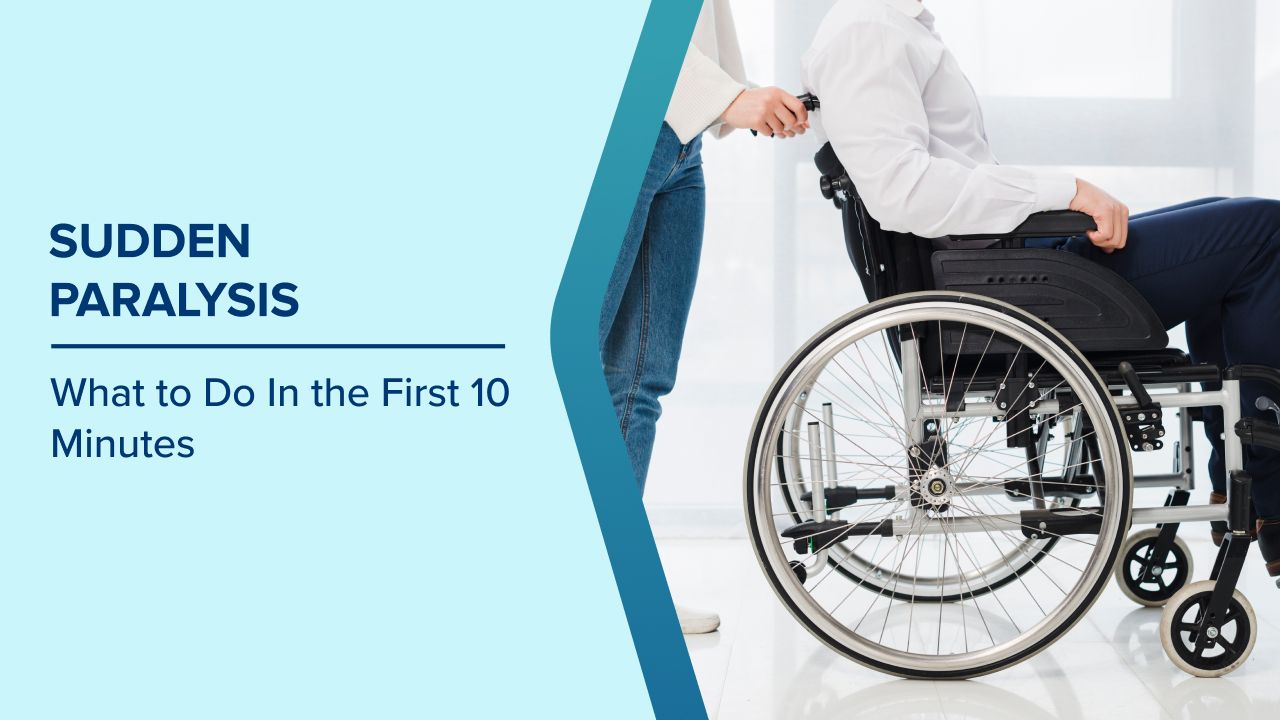
Sudden paralysis in the face, arm, or leg or a sudden problem with speaking can be frightening for anyone. These changes are not something to observe later or wait to see if they improve on their own. They may be early warning signs of a stroke, sometimes called a brain attack. What you do in the first 10 minutes can make a major difference to brain function, recovery, and quality of life.
Understanding Sudden Paralysis and Slurred Speech
Sudden paralysis refers to a rapid loss of movement or strength, usually affecting one side of the body. A person may not be able to lift an arm, grip an object, or walk properly. The face may appear uneven or droopy. Sudden slurred speech means the person knows what they want to say, but the words sound unclear or jumbled, or the person cannot find the right words.
These symptoms often appear without warning. They are commonly linked to a stroke, in which blood flow to a part of the brain is interrupted. When the brain does not receive oxygen, brain cells begin to malfunction. Because the brain controls movement, speech, vision, and behaviour, even a short interruption can cause obvious changes in the body.
Strokes do not always cause pain, so waiting for pain before reacting can be dangerous. Any sudden weakness, slurring of speech, facial droop, confusion, or difficulty understanding others should be treated as a medical emergency.
Why the First 10 Minutes Matter So Much
The brain is highly sensitive to a lack of blood supply. Every minute without proper circulation can affect millions of brain cells. The first 10 minutes are not the time for home remedies, searching online, or watching and waiting. They are the window in which the right actions can start, leading to faster medical attention.
Quick recognition and rapid response can:
- Reduce long-term disability
- Lower the risk of complications
- Improve chances of returning to normal activities
- Support better recovery of speech and movement
Time lost is brain function lost. Acting quickly is one of the most powerful ways a family member, colleague, or bystander can help when faced with sudden paralysis or slurred speech.
Warning Signs You Should Never Ignore
Key emergency stroke symptoms include:
- Sudden weakness or paralysis in the face, arm, or leg, especially on one side
- Slurred or unclear speech
- Difficulty understanding simple sentences
- Sudden confusion or unusual behaviour
- Drooping on one side of the face when smiling
- Sudden vision problems, including double vision or loss of vision in one eye
- Sudden loss of balance or unsteady walking
Even if a symptom disappears within minutes, it still needs urgent medical evaluation because it may be a temporary warning event before a major stroke.
What to Do in the First 10 Minutes
Stay calm but act fast
Panic wastes precious time. Speak clearly, reassure the person, and move quickly to the next step.
Call emergency medical services immediately
Do not wait to see if the problem improves. Call the local emergency number and clearly say that you suspect a stroke.
Note the time the symptoms began
Remember when the person was last seen well and share this information with medical teams.
Keep the person safe and comfortable
Help them sit or lie down comfortably. Do not give food or water. Stay with them.
Watch for changes
Look for worsening paralysis, loss of consciousness, seizures, vomiting, or severe headache.
How to Be Prepared Before an Emergency Happens
- Learn common stroke warning signs
- Save local emergency numbers
- Teach family members to recognise symptoms
- Control risk factors like smoking and high blood pressure
- Have regular health check-ups
Conclusion
Sudden paralysis or slurred speech is a medical emergency. The first 10 minutes are critical to protect the brain and improve recovery. Acting quickly can save speech, movement, independence, and life.
Frequently Asked Questions
Can stroke symptoms occur during sleep?
Yes. Some people wake up with stroke symptoms. This is called a wake-up stroke and needs urgent care.
Are younger adults also at risk of stroke?
Yes. Stroke can occur at any age due to certain medical or lifestyle factors.
Is it safe to give herbal remedies during a stroke?
No. This can delay life-saving medical treatment.
Can strokes cause personality changes?
Yes. Some strokes affect emotional and behavioural control.
Is every episode of dizziness a stroke?
No, but dizziness with speech or movement problems should be treated as an emergency.
Written and Verified by:

Related Blogs


Oct 27 , 2020 | 3 min read
Blogs by Doctor
Tingling in Hands or Feet? Possible Causes Explained
Dr. Amit Shrivastava In Neurology
Jul 16 , 2025 | 9 min read
Alzheimer’s Prevention: Lifestyle Habits for Memory & Brain Health
Dr. Amit Shrivastava In Neurology
Sep 17 , 2025 | 3 min read
Most read Blogs


Related Blogs
Oct 27 , 2020 | 3 min read
Blogs by Doctor
Tingling in Hands or Feet? Possible Causes Explained
Dr. Amit Shrivastava In Neurology
Jul 16 , 2025 | 9 min read
Alzheimer’s Prevention: Lifestyle Habits for Memory & Brain Health
Dr. Amit Shrivastava In Neurology
Sep 17 , 2025 | 3 min read
Most read Blogs