 WhatsApp Us (24/7)
 +91 926 888 0303 (24/7)


To Book an Appointment
Call Us+91 926 888 0303Sleep Deprivation: Causes, Symptoms, and Treatment
By Dr. Mukesh Kumar in Neurosciences
Dec 30 , 2025 | 12 min read
1

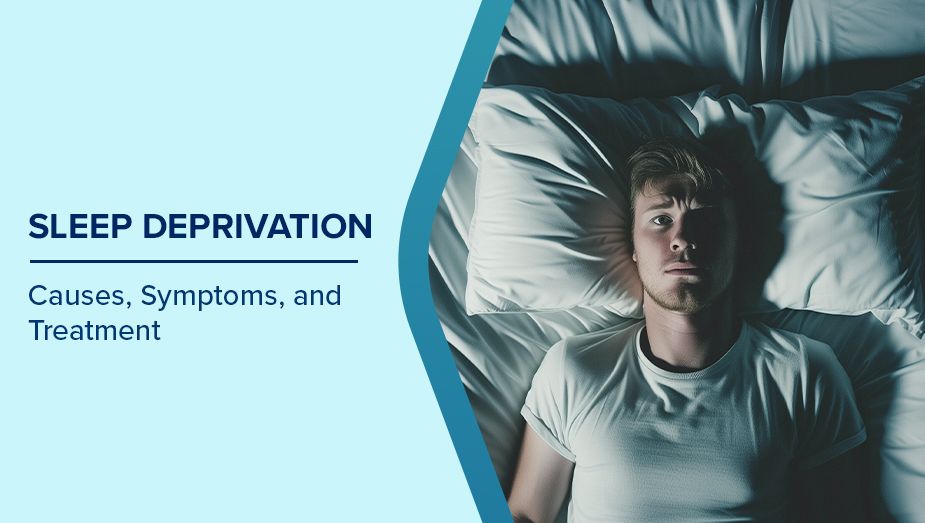
Have you ever struggled to fall asleep or found yourself waking up repeatedly during the night, and feeling groggy, irritable and unable to focus on things the next day? These are common signs of sleep deprivation, and its effects reach well beyond simple tiredness. Over time, lack of proper sleep can weaken the immune system, strain the heart, and make it harder to handle stress. The positive side is that once you recognise the warning signs and find out what is causing the problem, you can take steps to improve it. In this blog, we will look at the common causes of sleep deprivation, the symptoms to watch for, and possible treatments and strategies to sleep better.
What is Sleep Deprivation?
Sleep deprivation is a condition that occurs when the body does not get enough rest to restore energy and maintain normal functions. It can happen for different reasons, such as sleeping fewer hours than needed, having broken or poor-quality sleep, or experiencing disruptions in the sleep cycle.
Short-term or acute sleep deprivation may occur after a few nights of reduced sleep and often causes tiredness or difficulty concentrating.
Chronic sleep deprivation, on the other hand, develops when poor sleep becomes a regular pattern and can gradually affect physical health, mental wellbeing and daily performance.
What are the Stages of Sleep Deprivation?
Sleep deprivation does not usually show its full impact at once. The effects build gradually, and the longer the body goes without proper rest, the more noticeable and disruptive the symptoms become.
- First 24 hours without enough sleep: The body may feel tired, concentration drops, reaction times slow down and mood changes such as irritability or anxiety can appear.
- After 36 hours: Physical coordination and memory are affected. The body starts craving sleep more intensely, and microsleeps (brief, unintended lapses into sleep) may occur.
- After 48 hours: The immune system becomes weaker, thinking becomes confused and it is difficult to stay alert. Hormonal balance also starts to get disturbed.
- After 72 hours or longer: Severe cognitive and emotional problems set in. Hallucinations, extreme confusion and difficulty performing basic tasks are common. At this stage, the body and mind are under significant strain, and recovery takes longer.
Although most people may not experience such extreme cases, even mild ongoing sleep deprivation can create chronic health risks.
What Causes Sleep Deprivation?
Sleep deprivation can arise from many factors, ranging from lifestyle habits to medical conditions. Here are the most common causes:
Lifestyle Factors
Modern life is one of the biggest culprits behind sleep deprivation. Long work hours, demanding schedules, and the pressure to stay productive can push sleep to the bottom of your priority list. Many people sacrifice sleep to meet deadlines, attend social events, or simply catch up on household tasks. The widespread use of smartphones, tablets, and laptops before bed also plays a significant role - the blue light emitted by these devices can interfere with your body's natural sleep-wake cycle, making it harder to fall asleep.
Stress and Mental Health
Mental and emotional strain is one of the most common causes of poor sleep. Anxiety, worry, or depression can keep the mind active when the body should be resting. Stress hormones like cortisol rise at night, making it harder to fall asleep or causing frequent awakenings, which reduces the quality and depth of sleep.
Medical Conditions
Health problems such as insomnia, sleep apnea, restless leg syndrome, chronic pain, or respiratory issues can interfere with both falling asleep and staying asleep. Sleep apnoea, for example, causes brief interruptions in breathing during sleep, preventing the body from entering deeper, restorative sleep stages.
Environmental Factors
A bedroom that is noisy, too bright, too hot, or too cold can make it difficult to sleep uninterrupted. Even small disturbances, such as traffic sounds or a partner moving in bed, can fragment sleep, leaving a person feeling unrested despite spending enough time in bed.
Substance Use and Medications
Caffeine, nicotine, alcohol, and certain medications can affect the body’s ability to fall asleep and reduce sleep quality. Caffeine and nicotine are stimulants that can delay sleep onset, while alcohol may cause frequent awakenings during the night.
Irregular Sleep Patterns and Social Habits
Shift work, travel across time zones, or inconsistent bedtime routines can confuse the body’s internal clock. Irregular sleep patterns prevent the body from establishing a steady rhythm, leading to fatigue, poor concentration, and increased risk of chronic health problems.
Family and Caregiving Responsibilities
Parents of newborns and young children often experience significant sleep disruption. Caring for elderly family members or those with health conditions can also interrupt your sleep regularly. Understanding their impact on sleep can help find ways to manage and minimise sleep loss.
What are the Symptoms of Sleep Deprivation?
Sleep deprivation can affect both physical and mental health. Common signs include:
- Daytime fatigue and sleepiness: Feeling constantly tired or drowsy, struggling to stay awake during routine activities, and needing frequent naps.
- Difficulty concentrating and memory problems: Trouble focusing, slower thinking, forgetfulness, and difficulty completing tasks efficiently.
- Mood changes and irritability: Increased impatience, anxiety, low mood, or emotional instability, which can affect personal and professional relationships.
- Physical symptoms: Headaches, weakened immunity, slower reflexes, muscle fatigue, digestive issues, and higher susceptibility to illnesses.
- Impaired coordination and alertness: Reduced motor skills and slower reaction times, increasing the likelihood of accidents at work, home, or on the road.
- Microsleeps and unintended sleep episodes: Brief, involuntary lapses into sleep lasting a few seconds, which can be dangerous during activities like driving or operating machinery.
If you're experiencing several of these symptoms regularly, it's a clear sign that your body needs more quality sleep. Pay attention to these warning signs and take steps to address what's causing your sleep problems.
What are the Short-Term and Long-Term Effects of Sleep Deprivation?
The impact of sleep deprivation varies depending on how long it lasts. Missing a night or two of sleep creates immediate problems, while ongoing sleep loss can lead to serious, lasting health consequences.
Short-Term Effects
- Daytime sleepiness and fatigue: Even after a night of partial sleep, the body struggles to stay alert. Tasks that require focus, such as work or studying, can become harder to perform efficiently.
- Cognitive difficulties: Short-term sleep loss affects attention, concentration, problem-solving skills, and short-term memory, making it difficult to process information or complete tasks accurately.
- Mood changes: Irritability, impatience, anxiety, and low mood often appear quickly after inadequate sleep. These emotional shifts can strain personal and professional relationships.
- Physical discomfort: Headaches, eye strain, and muscle fatigue are common. Coordination and reflexes may slow down, increasing the risk of minor accidents.
- Hormonal and appetite changes: Even brief sleep deprivation can increase stress hormones like cortisol and alter hunger-regulating hormones, leading to cravings and poor food choices.
Long-Term Effects
- Cardiovascular problems: Persistent lack of sleep can raise blood pressure, increase the risk of heart disease, heart attack, and stroke over time.
- Metabolic and weight issues: Chronic sleep deprivation can disrupt insulin production and metabolism, raising the risk of obesity, type 2 diabetes, and other metabolic disorders.
- Weakened immune system: Ongoing lack of rest reduces the body’s ability to fight infections, slows recovery from illness, and increases susceptibility to common colds and other infections.
- Mental health concerns: Long-term sleep loss is linked to anxiety, depression, mood disorders, and cognitive decline. It can affect decision-making, problem-solving, and emotional resilience.
- Chronic fatigue and reduced quality of life: Over time, continuous sleep deprivation can lead to persistent tiredness, low energy, poor motivation, and an overall decline in daily functioning and well-being.
Many short-term effects can be reversed quickly once you start getting adequate sleep again. However, some long-term effects may require more time to improve or could result in permanent changes. This is why addressing sleep deprivation early is crucial; the sooner you take action, the better you can protect your health and wellbeing.
How is Sleep Deprivation Treated?
Treating sleep deprivation depends on what's causing it and how severe it has become. For most people, the solution involves a combination of lifestyle changes, improved sleep habits, and addressing any underlying issues. The good news is that with the right approach, sleep deprivation can often be successfully managed and reversed.
Improving Sleep Hygiene
Good sleep hygiene forms the foundation of effective treatment. This includes:
- Maintaining a consistent sleep schedule, even on weekends.
- Creating a comfortable sleep environment with a dark, quiet, and cool bedroom.
- Limiting exposure to screens and bright lights before bedtime.
- Avoiding heavy meals, caffeine, or alcohol close to bedtime.
Cognitive Behavioural Therapy (CBT-I)
CBT-I is a structured therapy that helps change negative thoughts and behaviours related to sleep. It improves sleep patterns, reduces anxiety about sleep, and promotes recovery from insomnia-related sleep deprivation.
Medical Treatment
Medical interventions are often necessary when behavioural therapies alone are insufficient or when sleep deprivation is severe.
- Short-term sleep aids: Sedative-hypnotics or other prescribed medications may be used briefly to re-establish normal sleep patterns. These are generally recommended for limited periods to prevent dependency.
- Treatment of related conditions: Managing disorders such as obstructive sleep apnoea with CPAP devices or addressing restless legs syndrome with appropriate medication can directly enhance sleep quality. Treating coexisting mental health conditions, such as anxiety or depression, may also be critical for restoring healthy sleep.
Recovery Sleep Scheduling
Acute sleep deprivation caused by prolonged wakefulness, night shifts, or irregular schedules can be addressed through planned recovery sleep. This involves extending night-time sleep duration and incorporating strategically timed naps to restore cognitive function, alertness, and overall performance. Gradually stabilising sleep times helps the body regain its natural rhythm and prevents further disruption.
Light Therapy
Bright light therapy can be highly effective for individuals whose circadian rhythm is disrupted, including shift workers or those experiencing jet lag. Exposure to bright light at specific times of the day signals the brain to adjust the body’s internal clock, promoting sleep at the appropriate night-time hours and improving daytime alertness.
Psychological and Supportive Approaches
Supportive measures complement medical and behavioural treatments by promoting a conducive sleep environment and reducing factors that impede rest. Techniques may include stress management, relaxation exercises, mindfulness, and counselling to address anxiety or depressive symptoms. When combined with other interventions, these strategies reinforce consistent and restorative sleep patterns.
Prevention Tips for Healthy Sleep
Preventing sleep deprivation is much easier than treating it once it becomes a chronic problem. By building healthy sleep habits now and making sleep a priority, you can protect yourself from the negative effects of sleep loss. Here are practical strategies to help you maintain consistent, quality sleep for the long term.
- Stick to a regular schedule: Go to bed and wake up at the same time every day, including weekends. This helps regulate your body's internal clock.
- Create a calming bedtime routine: Wind down 30-60 minutes before bed with relaxing activities such as reading, gentle stretching, or listening to music.
- Optimise your sleep environment: Keep your bedroom cool, dark, and quiet. Invest in a comfortable mattress and pillows, and reserve your bed for sleep only.
- Limit screen time before bed: Avoid phones, tablets, and computers at least one hour before sleep. The blue light from screens can interfere with your natural sleep cycle.
- Watch what you consume: Limit caffeine to mornings and avoid alcohol close to bedtime. Don't eat heavy meals within 2-3 hours of sleep.
- Exercise regularly: Aim for at least 30 minutes of moderate exercise most days, but avoid vigorous activity within 3-4 hours of bedtime.
- Get natural light exposure: Spend time outdoors, especially in the morning, to help regulate your circadian rhythm.
- Manage stress effectively: Practice relaxation techniques like deep breathing or meditation. Keep a journal to process worries before bed.
- Listen to your body: Go to bed when you feel sleepy and avoid relying on weekend sleep-ins to make up for lost sleep during the week.
Consult Today
Sometimes, despite our best efforts with sleep hygiene and lifestyle changes, sleep problems persist. And that's okay. It might mean there's an underlying issue that needs medical attention. If you've tried improving your sleep habits but still find yourself tossing and turning night after night, it's time to talk to someone who can help. The specialists at Max Hospital are experienced in diagnosing and treating all types of sleep disorders. They can help you get to the root of your sleep problems and create a personalized treatment plan that works for you.
Frequently Asked Questions
How long does it take to recover from chronic sleep deprivation?
Recovery time varies depending on how long you've been sleep-deprived. For short-term sleep debt (a few days to a week), you might feel better within a few days of proper rest. Chronic sleep deprivation that's lasted months or years can take several weeks to fully recover from, and some effects may require ongoing management.
Is it better to get a few hours of sleep or stay awake all night?
Getting even a few hours of sleep is generally better than staying awake all night. Even short periods of sleep allow your brain to complete some essential restoration processes. However, if you only have an hour or two before you need to be awake, a short nap might be more beneficial than disrupted sleep.
Can sleep deprivation cause permanent brain damage?
While chronic sleep deprivation can impair cognitive function and has been linked to increased risk of neurodegenerative diseases, most cognitive effects are reversible with adequate rest. However, prolonged severe sleep deprivation may have lasting impacts on memory and brain health, which is why addressing sleep problems early is crucial.
Why do I feel more tired after napping?
This grogginess, called "sleep inertia," happens when you wake up during deep sleep stages. To avoid this, keep naps short (20-30 minutes) so you don't enter deeper sleep cycles, or nap for a full 90 minutes to complete a full sleep cycle.
Can you train yourself to need less sleep?
No, you cannot train your body to need less sleep without consequences. While some people naturally need slightly less sleep than others due to genetics, attempting to function on insufficient sleep will eventually catch up with you, affecting your health, performance, and wellbeing.
Does the quality of sleep matter more than the quantity?
Both quality and quantity matter for good health. You need enough hours of sleep AND those hours need to be restful and uninterrupted. Poor quality sleep, even if you're in bed for 8-9 hours, won't provide the restoration your body needs.
At what point should I see a doctor about my sleep problems?
You should consult a doctor if sleep problems persist for more than three weeks despite trying to improve your sleep habits, if you experience severe daytime sleepiness that affects your daily activities, if your partner notices you stop breathing or gasp during sleep, or if you suspect an underlying health condition is affecting your sleep.
Can children and teenagers experience sleep deprivation?
Yes, and it's increasingly common. Children and teens actually need more sleep than adults, school-age children need 9-12 hours, and teenagers need 8-10 hours. Early school start times, homework, screen time, and social activities often lead to chronic sleep deprivation in young people, affecting their growth, learning, and emotional development.
Will sleep deprivation affect my weight?
Yes, lack of sleep disrupts hormones that regulate hunger and satiety, particularly ghrelin and leptin. This can increase appetite, cravings for high-calorie foods, and overall calorie intake while also slowing your metabolism, making weight gain more likely and weight loss more difficult.
Written and Verified by:

Related Blogs

Dr. Chandril Chugh In Neurosciences , Interventional Neurology
Nov 08 , 2020 | 1 min read

Dr. Chandril Chugh In Neurosciences , Interventional Neurology
Nov 08 , 2020 | 2 min read
Blogs by Doctor

7 Wonderful Exercises for Those Suffering From Epilepsy
Dr. Mukesh Kumar In Neurosciences
Feb 12 , 2018 | 2 min read

Most read Blogs


Related Blogs
Dr. Chandril Chugh In Neurosciences , Interventional Neurology
Nov 08 , 2020 | 1 min read
Dr. Chandril Chugh In Neurosciences , Interventional Neurology
Nov 08 , 2020 | 2 min read
Blogs by Doctor
7 Wonderful Exercises for Those Suffering From Epilepsy
Dr. Mukesh Kumar In Neurosciences
Feb 12 , 2018 | 2 min read
Most read Blogs