 WhatsApp Us (24/7)
 +91 926 888 0303 (24/7)


To Book an Appointment
Call Us+91 926 888 0303Young Stroke: Why More Adults Under 40 Are at Risk and How to Prevent It
By Dr. Rajesh Gupta in Neurosciences , Neurology
Oct 13 , 2025 | 4 min read

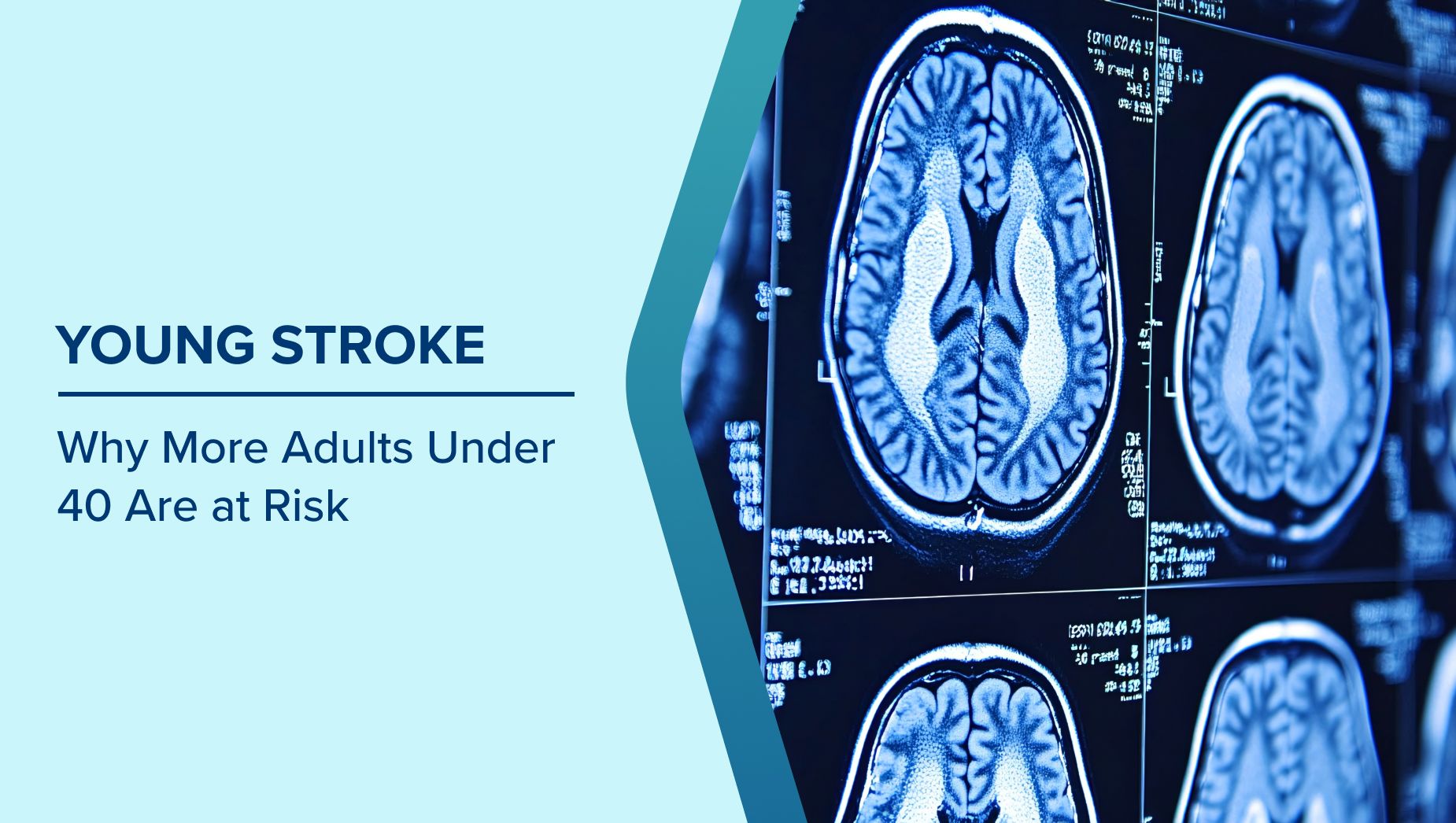
Strokes are often thought of as a health issue affecting older adults. However, stroke in young adults is becoming increasingly common. People under 40 are now experiencing strokes at a worrying rate, raising concerns about awareness, prevention, and timely treatment. Lifestyle changes, stress, and undiagnosed medical conditions are contributing to this trend. Recognising early stroke warning signs and understanding risk factors for young stroke can save lives and prevent long-term disability.
Causes and Risk Factors of Stroke in People Under 40
Common Causes of Young Stroke
- High Blood Pressure (Hypertension): Elevated blood pressure damages blood vessels and increases the risk of stroke.
- Heart Conditions: Irregular heartbeat (arrhythmia), congenital heart defects, or heart valve issues can cause blood clots that travel to the brain.
- High Cholesterol: Excess cholesterol can form plaques, narrowing arteries and reducing blood flow to the brain.
- Diabetes: Poorly controlled blood sugar increases vascular damage.
- Clotting Disorders: Genetic or acquired clotting issues can lead to strokes even in otherwise healthy young adults.
- Lifestyle Factors: Smoking, excessive alcohol use, drug abuse (like cocaine or meth), and sedentary habits can increase risk.
- Obesity: Linked to high blood pressure, diabetes, and heart disease, all contributing to stroke risk.
Additional Risk Factors
- Family History: Stroke or cardiovascular disease in close relatives increases susceptibility.
- Stress and Mental Health: Chronic stress, anxiety, and depression can negatively impact heart and brain health.
- Hormonal Influences: Birth control pills, pregnancy, and hormonal therapy in women may contribute to stroke risk in young adults.
Early Signs and Symptoms to Watch For
Recognising early stroke warning signs is critical. The faster you act, the better the outcome. Common symptoms in people under 40 include:
- Sudden numbness or weakness in the face, arm, or leg, especially on one side
- Difficulty speaking or understanding speech
- Sudden vision problems in one or both eyes
- Severe headache with no known cause
- Loss of balance, dizziness, or coordination issues
- Sudden confusion or trouble understanding simple statements
Lifestyle and Health Tips for Prevention
Preventing stroke starts with healthy habits. Young adults can lower their risk by making informed lifestyle choices:
Healthy Diet
- Include fruits, vegetables, whole grains, and lean proteins.
- Limit processed foods, salt, and sugar.
- Include foods rich in omega-3 fatty acids, like fish and flaxseeds.
Exercise
- Engage in at least 30 minutes of moderate exercise most days of the week.
- Include cardio, strength training, and flexibility exercises.
Avoid Tobacco and Limit Alcohol
- Quit smoking completely
- Limit alcohol to moderate levels, or avoid it entirely.
Manage Stress
- Practice mindfulness, meditation, or yoga
- Ensure adequate sleep
- Seek professional help for chronic stress or anxiety.
Regular Health Check-Ups
- Monitor blood pressure, cholesterol, and blood sugar.
- Consult a doctor for a personalised risk assessment.
Diagnosis and Treatment Options
Diagnosis
Early diagnosis is key to effective treatment:
- Physical and Neurological Examination: Doctors assess reflexes, muscle strength, speech, and coordination.
- Imaging Tests: CT scans or MRI scans reveal blocked or bleeding blood vessels in the brain.
- Blood Tests: Check for clotting disorders, cholesterol, and sugar levels.
- Heart Monitoring: ECG or echocardiography to detect heart-related causes.
- Advanced Tests: In some cases, angiography may be performed to visualise brain arteries.
Treatment
Treatment depends on the type of stroke:
Ischemic Stroke (Blocked Artery)
- Clot-busting medications to restore blood flow
- Antiplatelet or anticoagulant drugs to prevent further clots
- Surgery or stenting in severe cases
Hemorrhagic Stroke (Bleeding in the Brain)
- Medications to control blood pressure and swelling
- Surgical intervention to repair damaged vessels
- Rehabilitation to regain lost function
Post-Stroke Rehabilitation
- Physical therapy for mobility and strength
- Occupational therapy for daily tasks
- Speech therapy if language or swallowing is affected
- Mental health support for anxiety, depression, or cognitive challenges
Conclusion
Young strokes are rising, and people under 40 are not immune. Awareness of risk factors, early signs, and lifestyle choices is crucial. Regular check-ups, a balanced diet, regular exercise, and effective stress management can significantly reduce the risk of stroke. Recognising symptoms quickly and seeking immediate medical care can prevent long-term complications.
Take control of your health, learn the signs, and consult a doctor if you notice any warning symptoms. Protect your brain and your future today.
Frequently Asked Questions
Can stress cause strokes in young adults?
Yes, chronic stress can raise blood pressure, affect heart health, and increase stroke risk. Managing stress through mindfulness, exercise, and therapy helps lower risk.
Is stroke hereditary in young people?
Family history can contribute to stroke risk, especially if parents or siblings had early-onset stroke or heart disease. Genetic testing may help identify susceptibility.
Can young adults fully recover from a stroke?
Many young stroke patients achieve significant recovery due to brain plasticity, especially with timely medical care and rehabilitation. Full recovery depends on the severity of the condition and the type of treatment.
What role do diet and exercise play in preventing young strokes?
A healthy diet low in salt, sugar, and processed foods, combined with regular exercise, lowers blood pressure, maintains a healthy weight, and reduces stroke risk.
How does stroke affect mental health in young adults?
Strokes can lead to anxiety, depression, or cognitive difficulties. Early counselling, support groups, and therapy are vital for emotional and psychological recovery.
Can lifestyle changes reverse stroke risk completely?
While lifestyle changes cannot guarantee prevention, they significantly reduce risk factors and improve overall vascular health, lowering the chances of stroke.
Written and Verified by:

Related Blogs

Dr. Chandril Chugh In Neurosciences , Interventional Neurology
Nov 08 , 2020 | 1 min read

Dr. Chandril Chugh In Neurosciences , Interventional Neurology
Nov 08 , 2020 | 2 min read
Blogs by Doctor

What is Multiple System Atrophy (MSA): Symptoms and Diagnosis
Dr. Rajesh Gupta In Neurosciences , Neurology
Oct 28 , 2024 | 3 min read

Brain Infections: Causes, Symptoms, and Emergency Management
Dr. Rajesh Gupta In Neurosciences , Neurology
Jan 28 , 2025 | 4 min read
Most read Blogs


Related Blogs
Dr. Chandril Chugh In Neurosciences , Interventional Neurology
Nov 08 , 2020 | 1 min read
Dr. Chandril Chugh In Neurosciences , Interventional Neurology
Nov 08 , 2020 | 2 min read
Blogs by Doctor
What is Multiple System Atrophy (MSA): Symptoms and Diagnosis
Dr. Rajesh Gupta In Neurosciences , Neurology
Oct 28 , 2024 | 3 min read
Brain Infections: Causes, Symptoms, and Emergency Management
Dr. Rajesh Gupta In Neurosciences , Neurology
Jan 28 , 2025 | 4 min read
Most read Blogs