 WhatsApp Us (24/7)
 +91 926 888 0303 (24/7)


To Book an Appointment
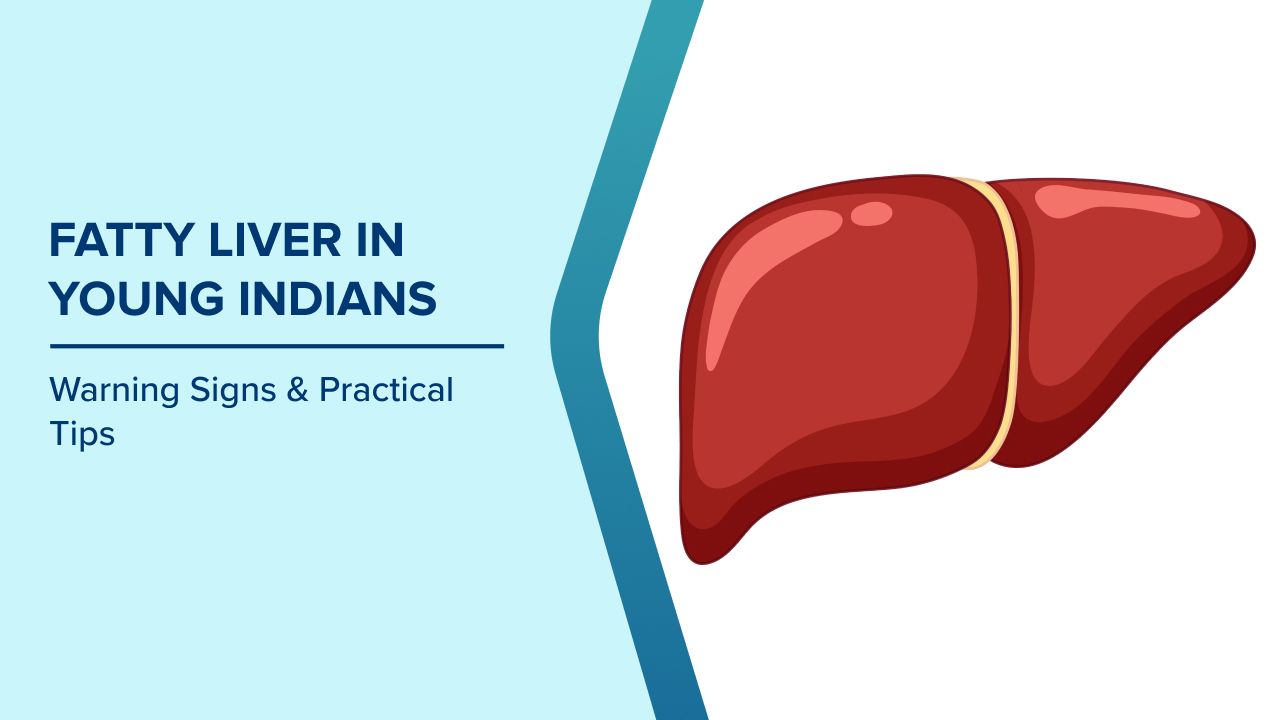
Call Us+91 926 888 0303Fatty Liver in Young Indians: Warning Signs & Practical Tips
By Dr. Ankur Jain in Gastroenterology, Hepatology & Endoscopy
May 07 , 2026

Fatty liver in young Indians is rising rapidly, making it one of the most common lifestyle-related health concerns today. Non-alcoholic fatty liver disease (NAFLD) is increasingly seen even in individuals who do not consume alcohol, largely due to poor diet, sedentary habits, and metabolic changes. This lifestyle disease is often silent in its early stages but can progress to serious liver damage if ignored. Understanding its causes, early signs, and prevention is essential for timely action and long-term liver health.
What Is Fatty Liver Disease?
Fatty liver disease refers to the buildup of excess fat in liver cells. While the liver normally contains a small amount of fat, excessive accumulation can impair its function over time. There are two main types:
- Alcoholic fatty liver disease (caused by heavy alcohol use)
- Non-alcoholic fatty liver disease (NAFLD) (not related to alcohol consumption)
In India, NAFLD is becoming far more common, especially among young adults, due to changing lifestyles, diet patterns, and increasing obesity rates.
When untreated, fatty liver can progress from simple fat accumulation to inflammation (steatohepatitis), fibrosis, and even cirrhosis.
Why Young Indians Are Getting Fatty Liver
The rise of fatty liver in young adults in India is closely linked to modern lifestyle shifts.
Unhealthy Diet Patterns
Modern dietary habits are a major contributor:
- High intake of junk food and fast food
- Excess sugar from soft drinks and packaged juices
- Frequent consumption of refined carbohydrates
- Low fibre and nutrient-deficient diets
These foods lead to fat accumulation in the liver and disrupt metabolic balance.
Sedentary Lifestyle
Physical inactivity is a growing concern among urban youth:
- Long hours of sitting (work/study/screens)
- Minimal physical exercise
- Reduced outdoor activity
A sedentary lifestyle slows metabolism, leading to fat buildup in the liver and other organs.
Obesity and Weight Gain
Obesity, especially abdominal fat, is strongly linked to fatty liver.
- Central obesity increases liver fat deposition
- Excess body fat leads to metabolic imbalance
- Even “normal-weight obesity” can increase risk
This condition is now seen in teenagers and young professionals.
Insulin Resistance
Insulin resistance is a key driver of NAFLD.
- Body cells stop responding properly to insulin
- Leads to high blood sugar levels
- Promotes fat storage in the liver
It is closely linked with prediabetes and type 2 diabetes in young adults.
Stress and Sleep Issues
Modern stress and irregular sleep patterns also contribute:
- Increased cortisol (stress hormone) affects metabolism
- Poor sleep disrupts fat regulation
- Emotional eating worsens dietary habits
Genetics and Family History
Some individuals are genetically predisposed:
- Family history of diabetes or fatty liver
- Genetic variations affecting fat metabolism
However, lifestyle still plays the dominant role.
Early Signs of Fatty Liver
Fatty liver is often called a “silent disease” because symptoms are mild or absent in early stages. Possible early signs include:
- Persistent fatigue
- Mild abdominal discomfort (especially right side)
- Bloating or heaviness after meals
- Loss of energy or poor concentration
In many cases, fatty liver is detected accidentally during routine health check-ups.
Why Fatty Liver Is Dangerous If Ignored
If left untreated, fatty liver can progress silently and cause serious complications:
- Inflammation of the liver (steatohepatitis)
- Fibrosis (scarring of liver tissue)
- Cirrhosis (advanced liver damage)
- Increased risk of liver failure
- Higher risk of cardiovascular disease
Early detection is crucial to prevent long-term damage.
Who Is Most at Risk?
Certain groups are more likely to develop fatty liver:
- Overweight or obese individuals
- People with type 2 diabetes or prediabetes
- Those with high cholesterol or triglycerides
- Individuals with sedentary jobs or lifestyles
- People consuming high amounts of junk food or sugary diets
How Is Fatty Liver Diagnosed?
Fatty liver is diagnosed using a combination of tests:
- Ultrasound abdomen: first-line screening tool
- Liver function tests (LFTs): assess liver health
- Blood tests: check sugar and lipid levels
- Advanced imaging (if required): to assess severity
Early diagnosis helps prevent progression.
Can Fatty Liver Be Reversed?
Yes, in most early cases, fatty liver is reversible. Key points:
- Early-stage NAFLD can improve significantly
- Lifestyle modification is the primary treatment
- Weight loss reduces liver fat
- Controlled diet and exercise are highly effective
- Medical supervision is recommended for monitoring
Reversal becomes difficult only in advanced stages with fibrosis or cirrhosis.
Prevention Tips for Young Adults
Preventing fatty liver is highly achievable with consistent lifestyle changes:
Healthy Diet Habits
- Reduce sugar and refined carbs
- Avoid junk and ultra-processed foods
- Increase fruits, vegetables, and fibre intake
- Choose healthy fats (nuts, seeds, fish)
Regular Physical Activity
- At least 150 minutes of exercise per week
- Walking, cycling, or strength training
- Reduce prolonged sitting time
Weight Management
- Maintain a healthy BMI
- Focus on reducing abdominal fat
Better Sleep and Stress Control
- 7–8 hours of sleep daily
- Stress management techniques like yoga or meditation
When to See a Doctor
Medical consultation is recommended if you experience:
- Persistent fatigue without a reason
- Abnormal liver function reports
- Obesity with metabolic risk factors
- Family history of liver disease or diabetes
Early medical advice can prevent progression and complications.
Conclusion
Fatty liver is no longer limited to older adults and is now increasingly affecting young Indians due to changing lifestyles, poor diet, and sedentary habits. While the condition is often silent in its early stages, it is highly reversible with timely intervention. Awareness, early diagnosis, and consistent lifestyle changes play a key role in preventing long-term liver damage. Building healthier habits today is essential for protecting liver health in the future.
Frequently Asked Questions
1. Can fatty liver happen without alcohol?
Yes, most cases in young Indians are non-alcoholic fatty liver disease (NAFLD), caused mainly by diet, obesity, and lifestyle factors.
2. Is fatty liver common in young adults?
Yes, it is increasingly common due to sedentary lifestyles, junk food consumption, and rising obesity in urban populations.
3. Can fatty liver be reversed completely?
In the early stages, fatty liver can often be completely reversed through lifestyle changes, including diet, exercise, and weight loss.
4. What foods cause fatty liver the most?
Foods high in sugar, refined carbs, fried items, processed snacks, and sugary beverages are strongly linked to fatty liver.
5. Does fatty liver cause pain?
Fatty liver usually does not cause pain in the early stages. Mild discomfort may occur in some cases, but many people have no symptoms.
6. How serious is fatty liver in the early stage?
Early-stage fatty liver is not immediately dangerous but can progress silently if lifestyle changes are not made.
Written and Verified by:

Related Blogs

Dr. Nivedita Pandey In Gastroenterology, Hepatology & Endoscopy , Liver Transplant and Biliary Sciences
Nov 07 , 2020 | 2 min read
Dr. Nivedita Pandey In Gastroenterology, Hepatology & Endoscopy , Liver Transplant and Biliary Sciences
Nov 07 , 2020 | 2 min read
Blogs by Doctor

What is Inflammatory Bowel Disease(IBD): Diagnosis & Treatment Options
Dr. Ankur Jain In Gastroenterology, Hepatology & Endoscopy
Apr 17 , 2023 | 6 min read

Most read Blogs


Related Blogs
Dr. Nivedita Pandey In Gastroenterology, Hepatology & Endoscopy , Liver Transplant and Biliary Sciences
Nov 07 , 2020 | 2 min read
Dr. Nivedita Pandey In Gastroenterology, Hepatology & Endoscopy , Liver Transplant and Biliary Sciences
Nov 07 , 2020 | 2 min read
Blogs by Doctor
What is Inflammatory Bowel Disease(IBD): Diagnosis & Treatment Options
Dr. Ankur Jain In Gastroenterology, Hepatology & Endoscopy
Apr 17 , 2023 | 6 min read
Most read Blogs