 WhatsApp Us (24/7)
 +91 926 888 0303 (24/7)


To Book an Appointment
Call Us+91 926 888 0303Sickle Cell Disease: Symptoms, Benefits, & Awareness
By Dr. Chandrika Verma in Paediatric (Ped) Oncology , Cancer Care / Oncology , Bone Marrow Transplant , Musculoskeletal Oncology
Jul 08 , 2025 | 4 min read

Sickle cell disease is an inherited blood disorder in which a genetic mutation alters the shape and function of red blood cells. While many people may have heard of it, not everyone fully understands the importance of early detection and awareness. This condition can lead to lifelong health complications, but with timely screening and support, its impact can be greatly reduced.
What is Sickle Cell Disease?
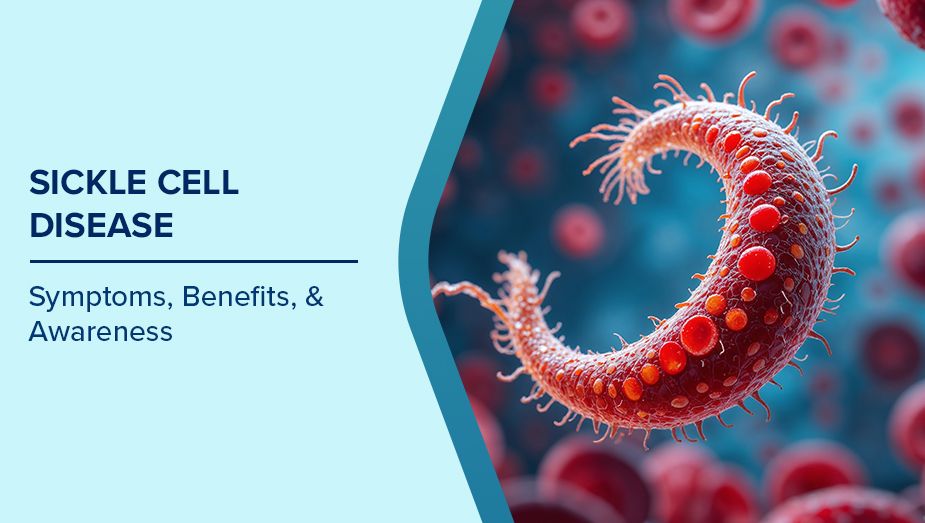
Sickle cell disease (SCD) is a genetic blood disorder where the red blood cells, which are normally disc or biconcave and flexible, take on a stiff, crescent or "sickle" shape. These misshapen cells can block blood flow, leading to pain, infections, organ damage, and other serious health problems.
Why Awareness Matters
Lack of awareness is a big challenge in the fight against sickle cell disease. Many people are unaware they are carriers or that the disease can be detected before symptoms appear.
Raising awareness of sickle cell disease helps communities understand its risks, encourages early testing, and promotes healthier outcomes. It also helps reduce stigma and supports families living with the condition.
Importance of Early Detection
Early detection of sickle cell anaemia can significantly impact a person's life. When diagnosed early, especially in newborns, children can receive treatments and preventive care that help avoid serious life-threatening complications such as:
- Severe infections
- Stroke
- Frequent pain episodes (sickle cell crises)
- Delayed growth
- Vision problems
- Chronic organ damage
Early diagnosis enables parents and caregivers to be prepared and informed, resulting in more effective disease management and fewer hospital visits.
Who Should Get Tested for Sickle Cell?
- Newborns: In many countries, newborn screening is now part of routine care. It involves a simple blood test that can detect sickle cell disease early, often before any symptoms show.
- People with Family History: If sickle cell disease runs in your family or if you belong to a high-risk ethnic group, it is important to get tested. Even if you don't have the disease, you might be a carrier.
- Couples Planning a Family: Genetic counselling is highly recommended for couples planning to have children. If both partners are carriers, there's a 25% chance their child may have the disease.
- Individuals with Unexplained Symptoms: If you experience symptoms such as frequent pain, fatigue, or repeated infections, testing for sickle cell disease may be necessary.
Common Symptoms of Sickle Cell Disease
The symptoms of sickle cell disease vary from person to person, but some of the most common ones include:
- Fatigue and weakness
- Frequent infections
- Swelling in the hands and feet, especially in infants and toddlers
- Episodes of severe pain (sickle cell crises)
- Delayed growth in children
- Chest pain, fever, and/or breathing difficulty
- Vision problems
These symptoms often appear in infancy or early childhood but can also develop later, especially in those not screened at birth.
How is Sickle Cell Disease Diagnosed?
Several methods are used to screen and diagnose sickle cell disease:
- Blood Tests: A complete blood count (CBC) and haemoglobin electrophoresis (HPLC) test can help detect abnormal haemoglobin levels.
- Newborn Screening: Done by taking a few drops of blood from a baby's heel. It is quick, safe, and accurate.
- Genetic Testing: Identifies whether a person carries the sickle cell gene. Especially useful for couples planning a pregnancy.
These screening methods are simple and widely available, making early detection more accessible than ever.
Benefits of Early Diagnosis and Screening
Getting tested early offers many long-term benefits:
- Better health outcomes through prevention and early treatment
- Timely vaccinations and medications to reduce infections
- Education for families to manage symptoms and emergencies
- Informed reproductive choices for couples
- Improved life expectancy with regular monitoring and care
By identifying the disease early, individuals and their families can take control of their health and make more informed decisions.
The Role of Genetic Counseling
Genetic counselling is an important part of managing sickle cell disease. It helps people understand how the disease is inherited, the risks it poses to future children, and the available options.
Couples who are both carriers may explore medical guidance, testing options during pregnancy, or assisted reproductive methods to reduce the risk of passing on the disease.
Screening Programs and Community Support
Governments and health organisations worldwide are working to enhance sickle cell screening programs. The National Sickle Cell Anaemia Elimination Mission, launched by Prime Minister Shri Narendra Modi on 1st July 2023, focuses on awareness, early diagnosis, treatment, and counselling. The aim is to:
- Increase testing in high-risk populations
- Offer education and support for affected families
- Provide access to treatment and specialised care centres
- Eliminate sickle cell disease as a public health problem by 2047
Community participation is key. Local health workers, schools, and NGOs all play a role in spreading awareness and making screening more accessible.
Conclusion
Sickle cell disease is a manageable condition, especially when detected early. Spreading awareness and encouraging screening can prevent suffering and save lives. Whether you are planning a family or want to know more about your health, testing is a smart and responsible choice.
Early detection, education, and support can transform the future for those affected. Let's continue to talk, test, and take action against this silent yet serious condition.
Frequently Asked Questions
Can a person with sickle cell disease remain asymptomatic for years?
Yes, some people may have mild symptoms or go undiagnosed for years, especially if they have a less severe form. Screening is important even if you feel healthy.
What is the difference between sickle cell disease and sickle cell trait?
Sickle cell disease means you have two copies of the sickle gene and can experience symptoms. Sickle cell trait means you carry one copy and usually do not have symptoms but can pass the gene to children.
Is there a cure for sickle cell disease?
While there is no universal cure, treatments like Bone Marrow Transplant (BMT) or Hematopoietic Stem Cell Transplant (HSCT) can cure select patients. Most people manage well with medications, lifestyle changes, and regular care.
Can someone with sickle cell disease live a normal life?
Yes, with early diagnosis and good care, many people with sickle cell disease lead full and productive lives. Regular checkups and healthy habits are key.
Are there any dietary or lifestyle changes that help manage sickle cell disease?
Yes, staying hydrated, eating a balanced diet, avoiding extreme temperatures, and exercising regularly can help manage symptoms and prevent complications.
Written and Verified by:

Related Blogs

Dr. Ramandeep Singh Arora (Paed Onco) In Paediatric (Ped) Oncology , Cancer Care / Oncology
Oct 25 , 2016 | 2 min read

Dr. Ramandeep Singh Arora (Paed Onco) In Paediatric (Ped) Oncology , Cancer Care / Oncology
Sep 04 , 2017 | 3 min read
Blogs by Doctor


Most read Blogs


Related Blogs
Dr. Ramandeep Singh Arora (Paed Onco) In Paediatric (Ped) Oncology , Cancer Care / Oncology
Oct 25 , 2016 | 2 min read
Dr. Ramandeep Singh Arora (Paed Onco) In Paediatric (Ped) Oncology , Cancer Care / Oncology
Sep 04 , 2017 | 3 min read
Blogs by Doctor
Most read Blogs