 WhatsApp Us (24/7)
 +91 926 888 0303 (24/7)


To Book an Appointment
Call Us+91 926 888 0303Sexual Health after Cervical Cancer: Intimacy and Healing
By Dr. Sarita Kumari in Surgical Oncology , Gynecologic Oncology
Feb 04 , 2026

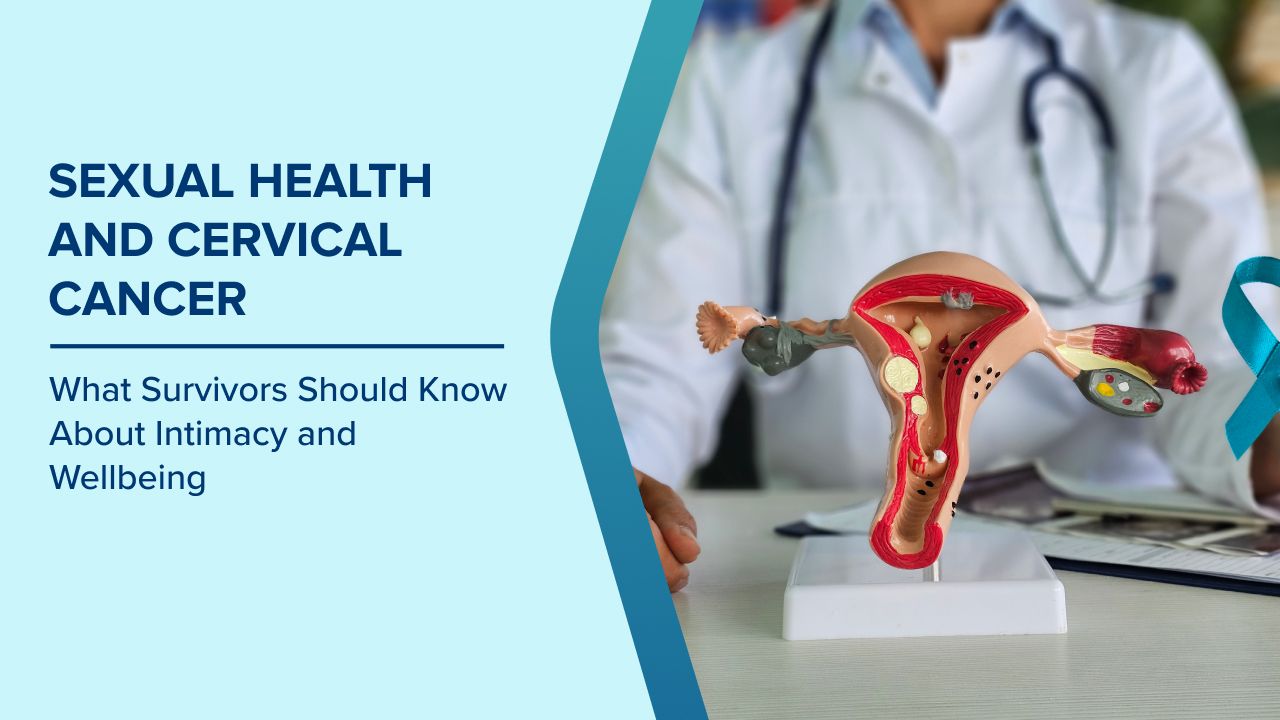
Surviving cervical cancer is a life-changing experience. While much attention is given to treatment and physical recovery, sexual health often receives far less discussion. For many survivors, changes in intimacy, desire, comfort, and emotional connection can be some of the most challenging aspects of life after treatment. These changes are common, valid, and manageable with the right information and support.
Why Sexual Health Matters After Cervical Cancer
Sexual health is not limited to physical activity alone. It includes emotional closeness, body confidence, comfort, desire, and communication with a partner. After cervical cancer, many women find that these areas are affected in ways they did not expect.
Acknowledging sexual health as part of recovery is important because intimacy plays a role in emotional well-being, self-identity, and relationship satisfaction. Addressing concerns early can help survivors feel more in control of their bodies and their lives.
How Cervical Cancer Treatment Can Affect Sexual Health
Changes in sexual health after cervical cancer are often linked to the type of treatment received and how the body heals over time. These changes vary widely from person to person.
Physical Changes in the Pelvic Area
Some treatments can lead to changes in the vaginal area, which may affect comfort during intimacy. Survivors may notice:
- Vaginal dryness
- Tightness or reduced flexibility
- Sensitivity or discomfort
These changes can make sexual activity feel different from before, especially in the early stages of recovery.
Hormonal Shifts and Their Impact
Treatment can sometimes influence hormone levels, which may affect sexual desire and natural lubrication. Lower hormone levels can also contribute to fatigue and mood changes, both of which influence intimacy.
Understanding that these shifts are treatment-related rather than personal helps reduce self-blame and frustration.
Emotional and Psychological Aspects of Intimacy
Sexual health after cervical cancer is deeply connected to emotional well-being. Even when physical healing is complete, emotional recovery may take longer.
Body Image and Self-Confidence
Scars, physical changes, or treatment-related weight fluctuations can affect how a survivor feels about her body. Feeling less confident or attractive can reduce interest in intimacy, even when there is physical readiness.
Rebuilding body confidence is a gradual process that often improves with self-compassion and open communication.
Fear and Anxiety Around Intimacy
Some survivors feel anxious about resuming sexual activity. Concerns may include fear of pain, fear of causing harm, or emotional distress linked to memories of treatment.
These feelings are common and do not indicate weakness. Addressing them gently and at one’s own pace is an important part of healing.
Reconnecting With Intimacy After Treatment
There is no fixed timeline for resuming sexual activity after cervical cancer. Readiness depends on physical comfort, emotional well-being, and personal choice.
Taking Things Slowly
Gradual reintroduction of intimacy allows the body and mind to adjust. Intimacy does not have to begin with intercourse. Many couples find comfort in:
- Physical closeness
- Affection and touch
- Emotional connection
This helps rebuild trust in the body without pressure.
Managing Discomfort
Discomfort during intimacy is not something survivors should accept as normal or unavoidable. Simple measures such as using appropriate lubricants or adjusting positions can make a significant difference.
If discomfort persists, seeking medical advice can help identify solutions tailored to individual needs.
Communication With a Partner
Open communication plays a key role in maintaining a healthy intimate relationship after cervical cancer.
Sharing Feelings and Expectations
Talking honestly about fears, changes, and needs helps reduce misunderstandings. Partners may also feel uncertain about how to offer support and reassurance.
Clear communication creates a shared understanding and strengthens emotional connection.
Redefining Intimacy Together
Intimacy may look different after cancer, and that is okay. Couples who adapt together often find new ways to feel close and connected that go beyond physical activity alone.
Role of Healthcare Support in Sexual Health Recovery
Sexual health concerns are a valid part of post-cancer care. Survivors should feel comfortable raising these topics with their healthcare team.
When to Seek Professional Advice
Support may be helpful if a survivor experiences:
- Ongoing pain or discomfort
- Loss of desire that causes distress
- Emotional difficulty related to intimacy
Healthcare professionals can offer guidance, reassurance, or referrals to specialists in sexual wellbeing.
Emotional and Counselling Support
Some survivors benefit from speaking with counselors or therapists who understand cancer recovery. Emotional support can help process fears, rebuild confidence, and improve overall quality of life.
Conclusion
Sexual health after cervical cancer is an important part of survivorship that deserves understanding and care. Changes in intimacy, comfort, and desire are common, but they do not define a woman’s worth or femininity. With patience, communication, and the right support, many survivors rediscover fulfilling and meaningful intimacy on their own terms.
Frequently Asked Questions
Is it normal for sexual desire to change after cervical cancer?
Yes, changes in desire are common and may be temporary or long-term. Desire often improves as physical recovery and emotional confidence grow.
How can survivors feel more confident discussing intimacy with doctors?
Preparing questions in advance and remembering that sexual health is part of medical care can make these conversations easier and more productive.
Can intimacy help emotional recovery after cancer?
For many survivors, emotional closeness and intimacy support healing by strengthening relationships and reducing feelings of isolation.
What if a partner struggles to understand these changes?
Open dialogue and shared counselling sessions can help both partners understand each other’s experiences and expectations.
Does sexual health recovery look the same for everyone?
No, recovery is highly individual. Comparing experiences can be unhelpful. Each survivor’s journey is shaped by personal, emotional, and physical factors.
Written and Verified by:

Related Blogs

Dr. S. VEDA PADMA PRIYA In Surgical Oncology , Cancer Care / Oncology
May 16 , 2016 | 2 min read

Dr. Kanika Batra Modi In Surgical Oncology , Cancer Care / Oncology
May 26 , 2016 | 4 min read
Blogs by Doctor

Minimally Invasive Gynae-Onco Surgery: Benefits, Recovery & After Tips
Dr. Sarita Kumari In Surgical Oncology , Gynecologic Oncology
Feb 19 , 2025 | 3 min read
Ovarian Cancer: Busting Five Common Myths
Dr. Sarita Kumari In Cancer Care / Oncology , Gynecologic Oncology
Oct 22 , 2025 | 5 min read
Most read Blogs


Related Blogs
Dr. S. VEDA PADMA PRIYA In Surgical Oncology , Cancer Care / Oncology
May 16 , 2016 | 2 min read
Dr. Kanika Batra Modi In Surgical Oncology , Cancer Care / Oncology
May 26 , 2016 | 4 min read
Blogs by Doctor
Minimally Invasive Gynae-Onco Surgery: Benefits, Recovery & After Tips
Dr. Sarita Kumari In Surgical Oncology , Gynecologic Oncology
Feb 19 , 2025 | 3 min read
Ovarian Cancer: Busting Five Common Myths
Dr. Sarita Kumari In Cancer Care / Oncology , Gynecologic Oncology
Oct 22 , 2025 | 5 min read
Most read Blogs