 WhatsApp Us (24/7)
 +91 926 888 0303 (24/7)


To Book an Appointment
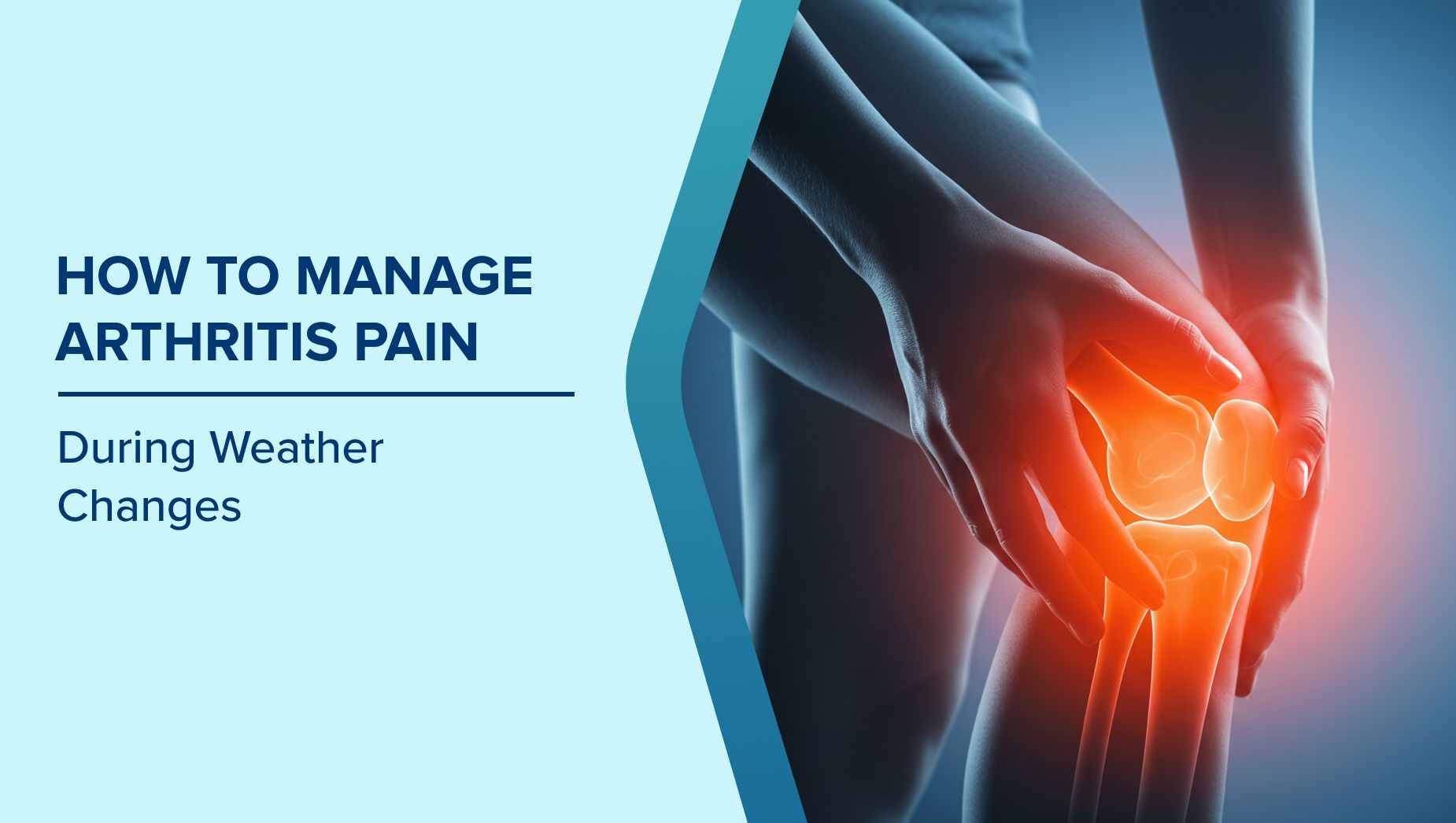
Call Us+91 926 888 0303How to Manage Arthritis Pain During Weather Changes
By Dr. Himanshu Aggarwal in Rheumatology
Jan 06 , 2026 | 4 min read

For many people living with arthritis, a shift in weather is not just about carrying an umbrella or adding an extra blanket. Changes in temperature, humidity, or barometric pressure often bring a noticeable increase in joint pain and stiffness.
This connection between arthritis and weather changes is widely recognised. Shifts in temperature, humidity, or barometric pressure can influence how joints feel, often making pain and stiffness more noticeable. Understanding why the weather affects joints and learning how to manage these changes can make a real difference to daily comfort and mobility.
How Weather Changes Affect Arthritis Pain
Weather shifts can influence the way joints and surrounding tissues respond. Drops in barometric pressure may cause tissues to expand, adding stress to sensitive joints. Cold air often tightens muscles and ligaments, leading to stiffness and reduced flexibility, while damp or humid conditions can leave joints feeling heavier and more uncomfortable.
Not everyone with arthritis experiences the same reaction. Some notice little difference throughout the year, while others find that joint pain in cold weather or during damp days is far more noticeable. Reduced activity levels during winter also play a role, as less movement can cause joints to stiffen further.
This combination of physical changes and lifestyle habits explains why arthritis and weather changes are so closely linked for many people.
Practical Tips to Manage Arthritis Pain During Weather Shifts
Weather may be beyond our control, but managing its effects is possible. A few practical approaches can help improve comfort:
- Layer clothing to retain body warmth and prevent joints from stiffening.
- Warm baths or showers help ease stiffness and promote blood flow to affected areas.
- Indoor activities, such as light stretching or yoga, help keep joints moving when outdoor exercise feels difficult.
- Assistive tools, including heating pads, electric blankets, or compression gloves, provide targeted relief.
- Hydration is often overlooked, but staying well-hydrated supports joint function.
These adjustments may appear small, but together they can help people continue their routines with less discomfort.
Role of Diet, Exercise, and Lifestyle Adjustments
Long-term management of arthritis pain requires a broader focus on overall health. A diet for arthritis pain management is crucial. Anti-inflammatory foods such as oily fish, nuts, seeds, olive oil, and fresh vegetables can help reduce inflammation. Limiting processed foods and excessive sugar may further support joint health.
The best exercise for arthritis pain often includes low-impact activities like swimming, walking, or cycling. Regular movement helps maintain flexibility, strengthens muscles around the joints, and prevents stiffness. Importantly, exercise should be adapted to individual tolerance and may vary depending on the season.
Lifestyle changes for arthritis also play a central role. Maintaining a healthy weight reduces extra stress on weight-bearing joints. Adequate sleep supports recovery, while mindfulness and relaxation techniques may ease pain perception. Together, these changes contribute to managing arthritis pain naturally and improving overall well-being.
Medical Support and When to See a Specialist
While self-management strategies are valuable, there are times when professional guidance becomes essential. A sleep disturbance caused by arthritis pain, persistent swelling, or difficulty performing daily activities is a strong signal that it may be time to consult a specialist.
A rheumatologist can provide expert evaluation, confirm diagnosis, and suggest personalised treatments ranging from medication to advanced therapies. In some cases, referral to a physiotherapist or occupational therapist can help with exercises and adaptations that improve mobility.
Knowing when to see a rheumatologist is important. Early consultation can prevent joint damage, provide timely access to therapies, and offer reassurance for patients and families seeking answers.
Conclusion
Living with arthritis is a daily challenge, and weather changes often add to the difficulty. However, with the right knowledge and strategies, managing arthritis pain during weather shifts is possible. Practical steps, healthy habits, and timely medical support can make the difference between enduring discomfort and living with greater ease.
If you or someone you know experiences worsening symptoms during seasonal changes, do not ignore the signs. Speak to a healthcare professional and explore treatment options. Prioritising your joint health today can protect mobility and independence for the future.
Frequently Asked Questions
Can swimming help with arthritis pain in winter?
Yes, swimming in heated pools is particularly beneficial during cold months. It provides gentle resistance without stressing joints and helps maintain mobility.
Does vitamin D play a role in arthritis symptoms?
Vitamin D supports bone and joint health, and deficiency may worsen arthritis pain. Safe sun exposure and supplementation, if advised by a doctor, can help maintain adequate levels.
Are hot packs or cold packs better for joint pain relief?
Both can be effective. Hot packs reduce stiffness and increase flexibility, while cold packs may help with inflammation and swelling. Many patients benefit from alternating the two.
Can arthritis pain be worse during air travel?
Yes, sitting still for long periods in cramped spaces can stiffen joints, while cabin pressure changes may also affect sensitive tissues. Stretching, walking when possible, and staying hydrated can ease discomfort during flights.
Does stress make arthritis pain worse?
Stress can heighten the body’s sensitivity to pain by increasing muscle tension and inflammation. Relaxation techniques such as deep breathing, meditation, or gentle yoga may help reduce stress-related flare-ups.
Written and Verified by:

Related Blogs

Dr. Vishal Kaura Aggarwal In Rheumatology
Mar 15 , 2018 | 1 min read

Dr. Swetal Chouhan In Rheumatology
Aug 28 , 2023 | 2 min read
Most read Blogs


Related Blogs
Dr. Vishal Kaura Aggarwal In Rheumatology
Mar 15 , 2018 | 1 min read
Dr. Swetal Chouhan In Rheumatology
Aug 28 , 2023 | 2 min read
Most read Blogs