 WhatsApp Us (24/7)
 +91 926 888 0303 (24/7)


To Book an Appointment
Call Us+91 926 888 0303Robotic Myomectomy for Fibroid Removal: Planning & Recovery
By Dr. Parinita Kalita in Obstetrics And Gynaecology , Robotic Surgery , Gynaecologic Laparoscopy
Feb 12 , 2026

Uterine fibroids are common, but not all fibroids behave the same way. While some remain small and cause few symptoms, others grow large or develop in clusters, leading to significant discomfort and health concerns. When fibroids are large or multiple, treatment decisions become more complex. For many women, robotic myomectomy offers a way to remove fibroids while preserving the uterus, even in challenging cases.
Understanding Large and Multiple Fibroids
Fibroids vary in size, number, and location. Some women may have a single dominant fibroid that grows steadily, while others may develop several fibroids simultaneously. Large fibroids may distort the shape of the uterus, press on nearby organs, or cause noticeable abdominal swelling. Multiple fibroids can affect different areas of the uterus, making symptoms more widespread and sometimes harder to manage.
Common challenges associated with large or multiple fibroids include heavy menstrual bleeding, pelvic pain or pressure, frequent urination, bowel discomfort, fatigue due to anaemia, and difficulty with daily activities. In some cases, these fibroids also interfere with fertility or pregnancy outcomes.
When symptoms persist or affect quality of life, surgical treatment may be considered.
Why Surgery Can Be More Complex in These Cases
Removing large or numerous fibroids is different from treating a single small fibroid. The surgeon must carefully plan how to access each fibroid, remove it safely, and repair the uterus properly. The size and depth of fibroids can influence blood loss, operating time, and recovery.
Key challenges include preserving healthy uterine tissue, managing bleeding during surgery, ensuring strong uterine repair, and maintaining the structure of the uterus. These factors make surgical expertise and technique especially important.
This is where robotic myomectomy plays a valuable role.
How Robotic Myomectomy Helps in Complex Fibroid Cases
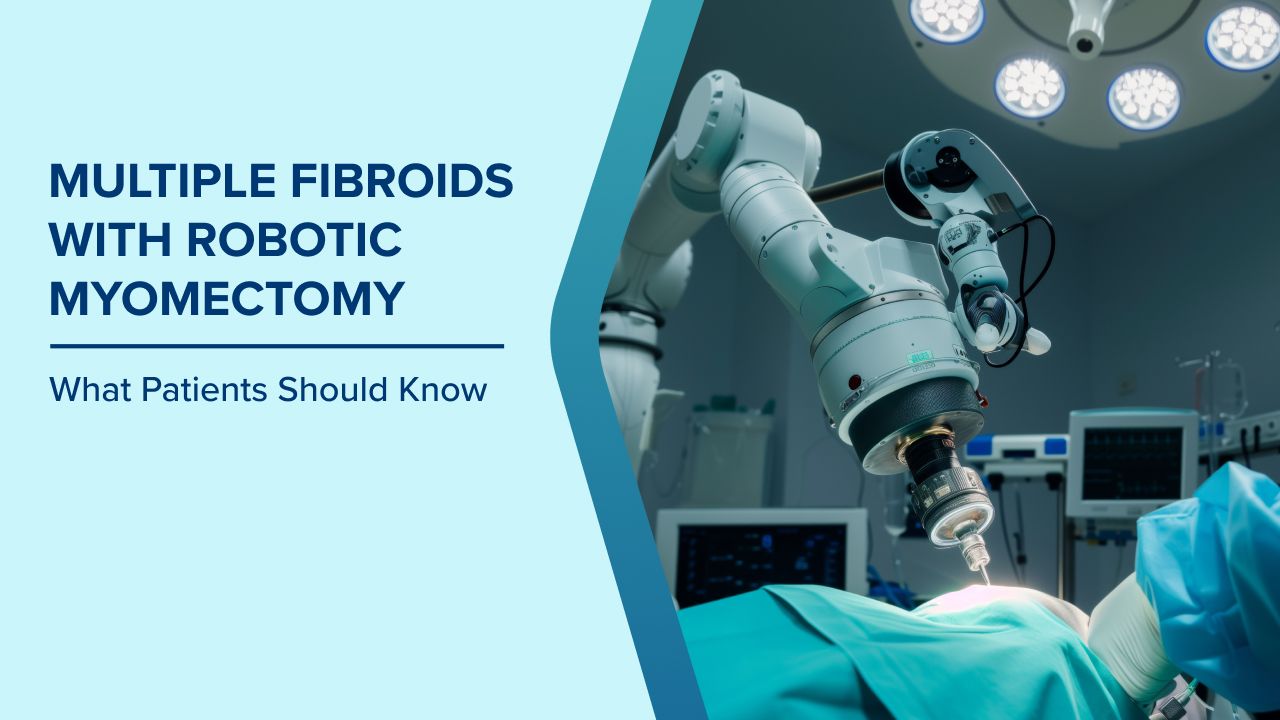
Robotic myomectomy is a minimally invasive surgical approach that uses advanced robotic instruments controlled by the surgeon. The system provides magnified three-dimensional vision and precise instrument movement, which is particularly helpful when fibroids are large or spread across different areas of the uterus.
In complex fibroid cases, robotic assistance enables careful dissection around fibroids, controlled removal even from difficult locations, and accurate suturing of the uterine wall. This precision supports better healing and reduces the likelihood of complications.
Robotic myomectomy is not about replacing surgical skill with technology. Instead, it enhances the surgeon’s ability to manage complexity with greater control and confidence.
Who May Be Considered for Robotic Myomectomy in These Situations
Not every woman with fibroids needs surgery, and not every surgical case is suitable for a robotic approach. However, robotic myomectomy may be considered when fibroids are large, numerous, or positioned in ways that require careful handling.
Women who may be evaluated for this option include those experiencing severe or persistent symptoms, those who wish to preserve their uterus, those planning future pregnancies, and those for whom medical treatment has not provided adequate relief.
A detailed evaluation is essential. Imaging tests help map the number, size, and location of fibroids, while overall health and previous surgeries are also considered before recommending this approach.
Planning Surgery for Large or Multiple Fibroids
Preoperative planning is especially important when fibroids are complex. Surgeons review imaging carefully to understand how fibroids affect the uterus and surrounding structures. This planning helps determine the safest surgical strategy and whether robotic myomectomy is appropriate.
Patients may be advised on steps to optimize health before surgery, such as correcting anaemia or managing other medical conditions. Clear discussions about expectations, recovery, and potential outcomes are an important part of this stage.
This preparation helps reduce uncertainty and supports smoother recovery.
What Happens During Robotic Myomectomy for Complex Fibroids
Although the overall steps of robotic myomectomy remain similar, surgery for large or multiple fibroids may take longer and involve more extensive uterine repair.
The procedure is performed under general anaesthesia.
- Small incisions are made in the abdomen, through which robotic instruments and a camera are inserted.
- The surgeon carefully removes each fibroid, paying close attention to preserving uterine strength.
- Once fibroids are removed, the uterus is repaired in layers to support healing and future function.
Despite the complexity, many women still benefit from the minimally invasive nature of robotic surgery, including smaller incisions and reduced postoperative discomfort.
Recovery After Surgery
Recovery after robotic myomectomy for large or multiple fibroids may vary depending on the extent of surgery. While a hospital stay is often short, internal healing continues for several weeks.
During recovery, women may experience fatigue, mild pain, and temporary limitations in activity. Following medical advice regarding rest, movement, and follow-up appointments is important. Emotional recovery also matters, as adjusting after surgery can take time.
Most women gradually return to normal routines, with many reporting relief from fibroid-related symptoms as healing progresses.
Fertility and Uterine Health After Surgery
Many women undergoing robotic myomectomy for large or multiple fibroids are concerned about future fertility. Preserving the uterus is a key goal of myomectomy, but outcomes depend on individual factors such as age, uterine healing, and overall reproductive health.
Doctors usually advise waiting a specific period before attempting pregnancy to allow proper healing. Follow-up care helps monitor recovery and supports long-term uterine health.
Setting Realistic Expectations
It is important for patients to understand that robotic myomectomy is a treatment, not a guarantee. While surgery removes existing fibroids, it does not eliminate the possibility of new fibroids forming in the future. Symptom improvement is common, but ongoing monitoring remains important.
Open communication with the care team helps align expectations with realistic outcomes and supports long-term well-being.
Conclusion
Managing large or multiple fibroids requires thoughtful decision-making and careful surgical planning. Robotic myomectomy offers a valuable option for women facing complex fibroid cases who wish to preserve their uterus and improve their quality of life.
By understanding the challenges involved, the benefits of robotic assistance, and the importance of personalised care, patients can approach treatment with clarity and confidence. With the right evaluation and expert guidance, robotic myomectomy can play a meaningful role in managing even difficult fibroid cases.
Frequently Asked Questions
Does the number of fibroids affect how long surgery takes?
Yes, removing multiple fibroids can increase operating time, as each fibroid requires careful removal and uterine repair.
Will having large fibroids increase hospital stay after robotic myomectomy?
Hospital stay is often similar, but recovery may feel slower depending on the extent of surgery and individual healing.
Can robotic myomectomy be repeated if fibroids return later?
In some cases, repeat surgery may be possible, but this depends on the uterine condition and overall health at that time.
Is weight or body type a factor in deciding robotic surgery for fibroids?
Body type can influence surgical planning, but robotic systems often provide advantages in visibility and precision across different body profiles.
Do large fibroids always cause visible abdominal swelling?
Not always. Some fibroids grow inward or remain deep within the uterus, causing symptoms without obvious external changes.
Written and Verified by:

Related Blogs

Dr. Manju Khemani In Obstetrics And Gynaecology
Oct 27 , 2020 | 3 min read

Dr. Neera Aggarwal In Obstetrics And Gynaecology , Nutrition And Dietetics
Nov 07 , 2020 | 7 min read
Blogs by Doctor

What to Expect When you are Expecting
Dr. Parinita Kalita In Obstetrics And Gynaecology
Apr 18 , 2016 | 2 min read

What are Postpartum Periods: Essential Facts & Tips for New Moms
Dr. Parinita Kalita In Obstetrics And Gynaecology , Robotic Surgery , Gynaecologic Laparoscopy
Jul 31 , 2023 | 4 min read
Most read Blogs

Related Blogs
Dr. Manju Khemani In Obstetrics And Gynaecology
Oct 27 , 2020 | 3 min read
Dr. Neera Aggarwal In Obstetrics And Gynaecology , Nutrition And Dietetics
Nov 07 , 2020 | 7 min read
Blogs by Doctor
What to Expect When you are Expecting
Dr. Parinita Kalita In Obstetrics And Gynaecology
Apr 18 , 2016 | 2 min read
What are Postpartum Periods: Essential Facts & Tips for New Moms
Dr. Parinita Kalita In Obstetrics And Gynaecology , Robotic Surgery , Gynaecologic Laparoscopy
Jul 31 , 2023 | 4 min read
Most read Blogs