 WhatsApp Us (24/7)
 +91 926 888 0303 (24/7)


To Book an Appointment
Call Us+91 926 888 0303Pneumonia: Why it Becomes Dangerous After 60
By Dr. Nevin Kishore in Pulmonology
Nov 13 , 2025 | 2 min read

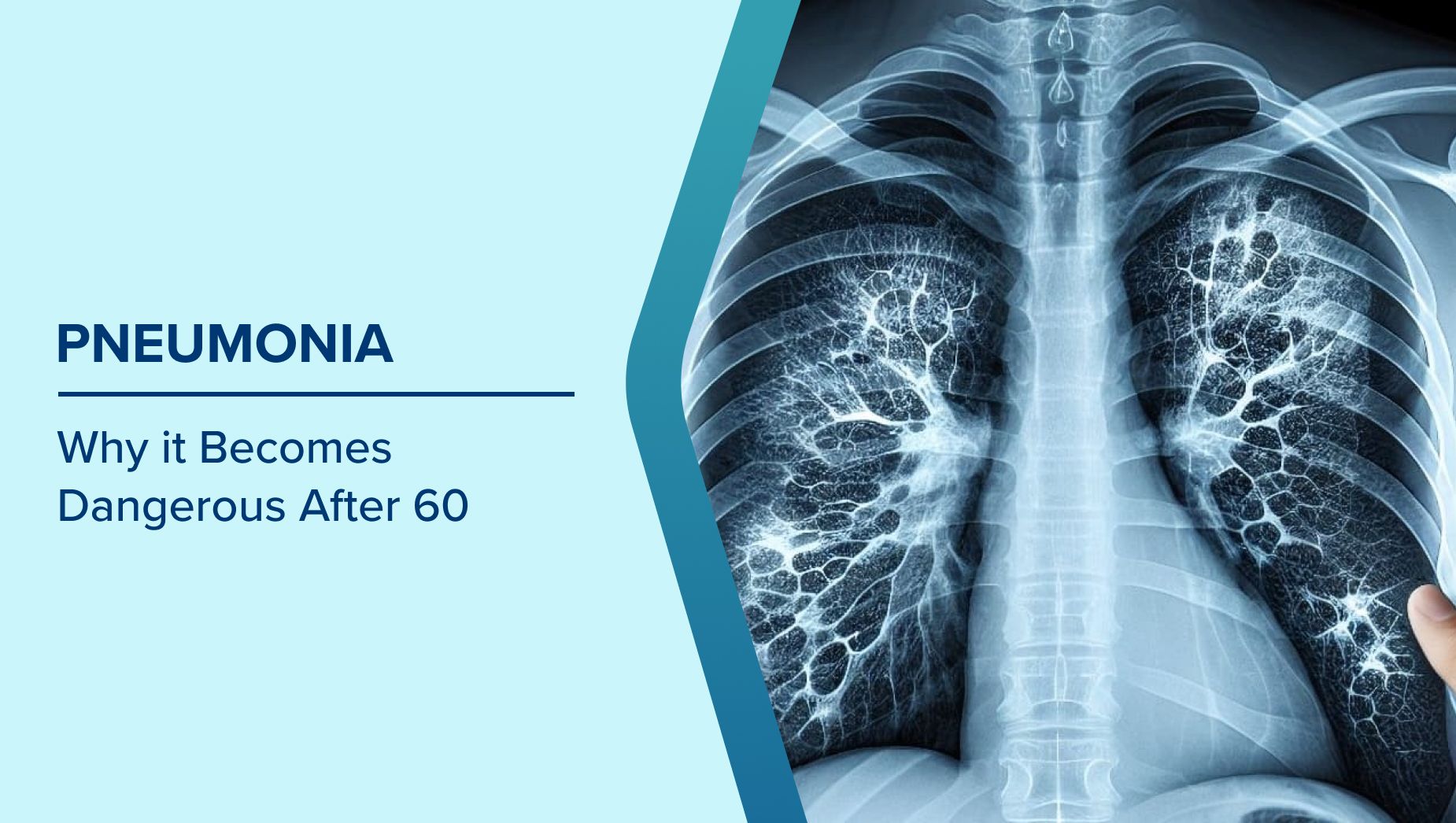
Pneumonia is a lung infection that can affect people of all ages, but it becomes significantly more serious after the age of 60. Older adults often experience a faster progression, more complications, and a longer recovery period. Understanding why this happens is crucial to early recognition, timely treatment, and more effective prevention.
At Max Hospital, Gurugram, we frequently see that pneumonia in seniors requires prompt and specialised care. Here’s why the risk increases after 60 and what you can do to stay protected.
Weakened Immunity With Age
As we grow older, our immune system naturally becomes less efficient. This age-related decline, known as immunosenescence, makes it more challenging for the body to fight off infections such as pneumonia.
- Infections spread faster in the lungs
- Symptoms may escalate more quickly
- Recovery can take longer
This makes timely medical attention extremely important for seniors.
Chronic Health Conditions Add to the Risk
Many people over 60 live with long-term health issues that can worsen pneumonia or complicate recovery. These include:
- Diabetes
- Heart disease
- Kidney disorders
- COPD or asthma
- Stroke-related mobility issues
Chronic diseases often weaken the body’s defence mechanisms. For example, a weak heart may struggle to cope with the extra stress pneumonia places on breathing and circulation.
Reduced Lung Capacity
With age, lung tissues become less elastic, and the muscles that support breathing weaken. This reduces overall lung capacity, making it more difficult to clear mucus.
As a result:
- Germs stay longer in the lungs
- Congestion builds up quickly
- Breathing becomes heavier even with mild infections
This is why pneumonia in older adults can escalate to breathlessness or low oxygen levels much faster.
Delayed or Subtle Symptoms
Unlike younger adults who show clear symptoms like high fever and acute chest pain, seniors may have:
- Mild fever
- Low energy
- Confusion or dizziness
- Loss of appetite
These subtle signs often delay detection because they seem like ageing-related fatigue or dehydration. However, such delays allow pneumonia to progress without being noticed.
Higher Risk of Complications
Once pneumonia sets in, adults over 60 are more prone to complications such as:
- Respiratory failure
- Sepsis
- Heart strain or irregular heartbeats
- Worsening of existing chronic conditions
These complications may require hospitalisation, oxygen therapy, or intensive care. Early diagnosis significantly reduces these risks.
Slower Recovery & Greater Weakness
Older adults typically require more time to recover their strength after pneumonia. Post-infection fatigue, reduced appetite, muscle weakness, and a persistent cough are common symptoms.
- Mobility decreases
- Fall risk increases
- Overall health may decline
This is why guided recovery, physiotherapy, breathing exercises, and regular follow-ups are crucial.
How Seniors Can Stay Protected
While pneumonia can be dangerous, several precautions drastically reduce the risk:
Vaccination
- Annual flu vaccine
- Pneumococcal vaccine as recommended by your doctor
- Vaccines remain the most effective defence for older adults.
Strengthen immunity
- Eat protein-rich, colourful meals
- Stay hydrated
- Manage chronic diseases well
Avoid exposure
- Stay away from polluted areas
- Wear masks in crowded spaces
- Maintain good hand hygiene
Take early symptoms seriously
Seek medical help if you notice:
- New or worsening cough
- Breathlessness
- Fever
- Sudden confusion
- Chest discomfort
At Max Hospital, Gurugram, our specialists in Pulmonology and Critical Care are equipped with advanced diagnostic tools, rapid testing facilities, and personalized treatment plans to ensure timely, effective care for seniors.
Conclusion
Pneumonia after 60 is not just a lung infection; it can quickly turn serious due to weaker immunity, chronic illnesses, and subtle symptoms. Awareness, early treatment, and preventive care are crucial for protecting your loved ones.
If you or a senior family member experiences respiratory symptoms, don’t delay. Expert care is available at Max Hospital, Gurugram, to help ensure a safe recovery.
Written and Verified by:

Related Blogs

Medical Expert Team
Jun 06 , 2015 | 2 min read

Blogs by Doctor

Pulmonary Edema: Causes, Symptoms and Treatment
Dr. Nevin Kishore In Pulmonology
Mar 21 , 2024 | 12 min read

Preventing Pneumonia: Tips for Staying Safe in Cold Weather
Dr. Nevin Kishore In Pulmonology
Nov 20 , 2025 | 5 min read
Most read Blogs


Related Blogs
Medical Expert Team
Jun 06 , 2015 | 2 min read
Blogs by Doctor
Pulmonary Edema: Causes, Symptoms and Treatment
Dr. Nevin Kishore In Pulmonology
Mar 21 , 2024 | 12 min read
Preventing Pneumonia: Tips for Staying Safe in Cold Weather
Dr. Nevin Kishore In Pulmonology
Nov 20 , 2025 | 5 min read
Most read Blogs