 WhatsApp Us (24/7)
 +91 926 888 0303 (24/7)


To Book an Appointment
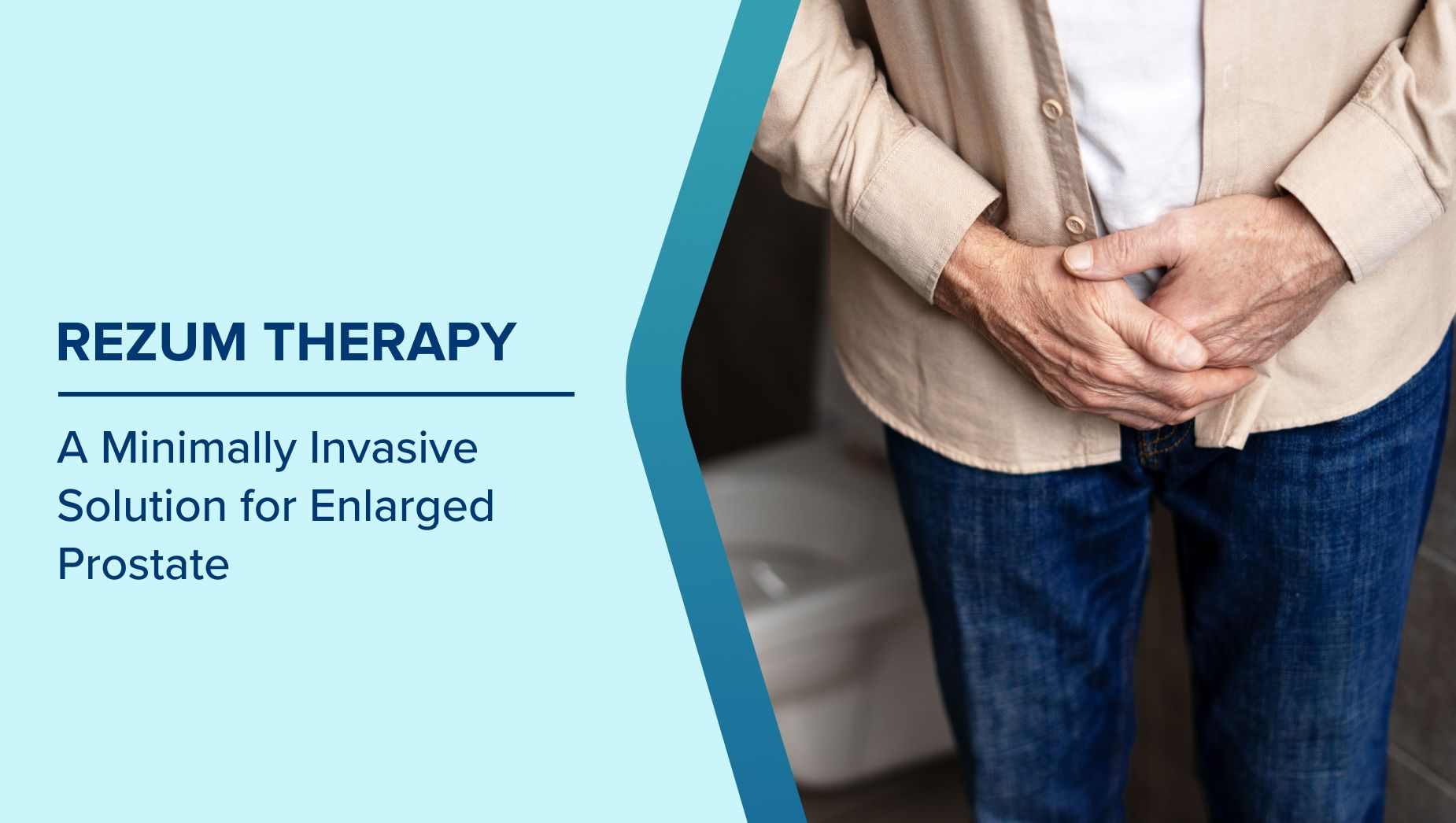
Call Us+91 926 888 0303Rezum Therapy: A Minimally Invasive Solution for Enlarged Prostate
By Dr. Adittya K. Sharma in Urology , Uro-Oncology , Robotic Surgery
Sep 10 , 2025 | 4 min read

Benign prostatic hyperplasia, or BPH, affects a significant number of men as they age. An enlarged prostate can cause discomfiting urinary symptoms such as frequent urination, weak urine flow, and nighttime trips to the bathroom. Traditional treatments, while effective, often involve surgery or long-term medication, which may carry side effects and extended recovery times.
Over the years, Rezum therapy has emerged as a game-changer in urology. This minimally invasive prostate treatment offers a safe and effective alternative for men seeking relief from prostate enlargement without undergoing major surgery. Its popularity has surged due to shorter recovery times, fewer complications, and significant improvements in quality of life.
What is Rezum Therapy?
Rezum therapy is an innovative treatment for benign prostatic hyperplasia (BPH) that uses water vapour, or steam, to reduce excess prostate tissue. The procedure targets enlarged areas of the prostate, relieving pressure on the urethra and restoring normal urine flow.
Unlike traditional surgery, Rezum is performed using a small device inserted through the urethra. The water vapour delivers controlled energy to the prostate tissue, which gradually shrinks over several weeks. The procedure is usually conducted in an office or outpatient setting, eliminating the need for hospitalisation.
The primary purpose of Rezum therapy is to provide prostate enlargement relief while minimising discomfort, preserving sexual function, and reducing the recovery period compared to more invasive procedures.
Who Can Benefit from Rezum Therapy?
Rezum therapy is suitable for men experiencing bothersome urinary symptoms due to BPH who are seeking alternatives to long-term medication or invasive surgery. Ideal candidates typically:
- Have moderate to severe urinary symptoms such as difficulty starting urination or incomplete bladder emptying.
- Prefer an office-based prostate procedure with minimal downtime.
- Wish to preserve sexual function, as Rezum therapy is less likely to affect ejaculation or erectile function compared to surgical options.
- May be elderly or have health conditions that make traditional surgery risky.
However, patients with very large prostate volumes or those with certain bladder conditions may require evaluation to determine if Rezum is appropriate. A urology treatment options consultation is essential to identify the best individualised approach.
Procedure Details
Rezum therapy is performed in a step-by-step, minimally invasive approach:
- Pre-procedure assessment: The urologist evaluates prostate size, symptom severity, and overall health.
- Local anaesthesia: A numbing agent is applied to ensure patient comfort during the procedure.
- Steam delivery: A specialised device is inserted through the urethra. Water vapour is delivered directly to the enlarged prostate tissue in short bursts, shrinking targeted areas.
- Completion and observation: The procedure typically lasts less than an hour. Patients may be observed briefly and then discharged home, making it an office-based prostate procedure.
Because it is minimally invasive, patients usually do not require a hospital stay, and the risk of major complications is low.
Recovery and Post-Treatment Care
Recovery following Rezum therapy is generally quick, with most patients returning to normal activities within a few days. Typical post-treatment care includes:
- Temporary urinary discomfort: Mild burning or increased urgency is common for the first week.
- Hydration: Drinking plenty of water helps flush the urinary tract and supports healing.
- Avoiding strenuous activity: Patients are usually advised to refrain from heavy lifting or intense exercise for a short period.
- Follow-up consultation: The urologist monitors progress and may assess symptom improvement through questionnaires or imaging.
Most men notice a gradual improvement in urinary symptoms within two to four weeks, with optimal results often seen after three months. Rezum therapy recovery is much shorter than that associated with traditional surgery, making it an attractive option for men seeking convenience and effective symptom relief.
Advantages Over Traditional Treatments
Rezum therapy offers several advantages compared to conventional BPH treatments:
- Minimally invasive: No incisions, lower risk of complications, and shorter recovery.
- Preservation of sexual function: Lower likelihood of affecting ejaculation or erectile function.
- Office-based procedure: Reduced need for hospital admission.
- Reduced medication dependency: Many patients experience significant symptom relief without the need for long-term medication.
- Targeted therapy: Only the enlarged prostate tissue is treated, preserving surrounding structures.
Compared to procedures like transurethral resection of the prostate (TURP), Rezum therapy combines effectiveness with convenience and safety, making it an appealing choice for many men.
Potential Risks and Safety Measures
While Rezum therapy safety is well established, it is important to be aware of potential risks, including:
- Temporary urinary urgency or frequency
- Mild blood in urine
- Discomfort during urination
- Rare infections requiring antibiotic treatment
Patients should consult a urologist to ensure proper pre-procedure evaluation and discuss any health conditions that may affect outcomes. Following the post-treatment guidelines carefully can minimise complications and promote faster recovery.
Conclusion
Rezum therapy represents a breakthrough in the management of benign prostatic hyperplasia, offering a minimally invasive prostate treatment with significant benefits. For men experiencing bothersome urinary symptoms, it provides an effective solution with shorter recovery, fewer complications, and preservation of sexual function.
If you are considering options for prostate enlargement relief, consulting a qualified urologist is the first step. They can determine whether Rezum therapy is suitable for your condition and guide you towards personalised treatment. Early intervention ensures better outcomes and improves overall quality of life.
Frequently Asked Questions
Can Rezum therapy be performed alongside other BPH treatments?
Yes, in some cases, Rezum therapy can complement medications or lifestyle management strategies. Your urologist will assess whether combining treatments is safe and beneficial.
Is Rezum therapy suitable for elderly patients?
Yes, it is a safe option for older men, particularly those who may not be ideal candidates for major surgery.
Can Rezum therapy affect sexual function?
Rezum therapy is designed to preserve sexual function, with a lower risk of affecting ejaculation or erectile ability compared to traditional surgery.
How long before I notice improvement in urinary symptoms?
Most patients observe gradual relief within two to four weeks, with full benefits often achieved by three months.
Can Rezum therapy be repeated if necessary?
In some cases, the procedure can be repeated if additional prostate tissue requires treatment, based on the urologist’s evaluation.
What lifestyle changes can support long-term results after Rezum therapy?
Maintaining healthy hydration, limiting caffeine and alcohol intake, and practising bladder-friendly habits can help sustain symptom relief after the procedure.
Written and Verified by:

Related Blogs

Dr. Anant Kumar In Urology , Kidney Transplant , Uro-Oncology
Nov 08 , 2020 | 8 min read
Dr. Shailendra Kumar Goel In Urology , Kidney Transplant , Uro-Oncology
Nov 08 , 2020 | 4 min read
Blogs by Doctor
Prostate Cancer and Its Impact on Sexual Wellness
Dr. Adittya K. Sharma In Urology , Kidney Transplant , Uro-Oncology , Robotic Surgery
Oct 07 , 2025 | 5 min read
Most read Blogs


Related Blogs
Dr. Anant Kumar In Urology , Kidney Transplant , Uro-Oncology
Nov 08 , 2020 | 8 min read
Dr. Shailendra Kumar Goel In Urology , Kidney Transplant , Uro-Oncology
Nov 08 , 2020 | 4 min read
Blogs by Doctor
Prostate Cancer and Its Impact on Sexual Wellness
Dr. Adittya K. Sharma In Urology , Kidney Transplant , Uro-Oncology , Robotic Surgery
Oct 07 , 2025 | 5 min read
Most read Blogs