 WhatsApp Us (24/7)
 +91 926 888 0303 (24/7)


To Book an Appointment
Call Us+91 926 888 0303Summer Skin Infections: Causes, Symptoms & Prevention Tips
By Dr Rohini Soni in Dermatology
Mar 17 , 2026

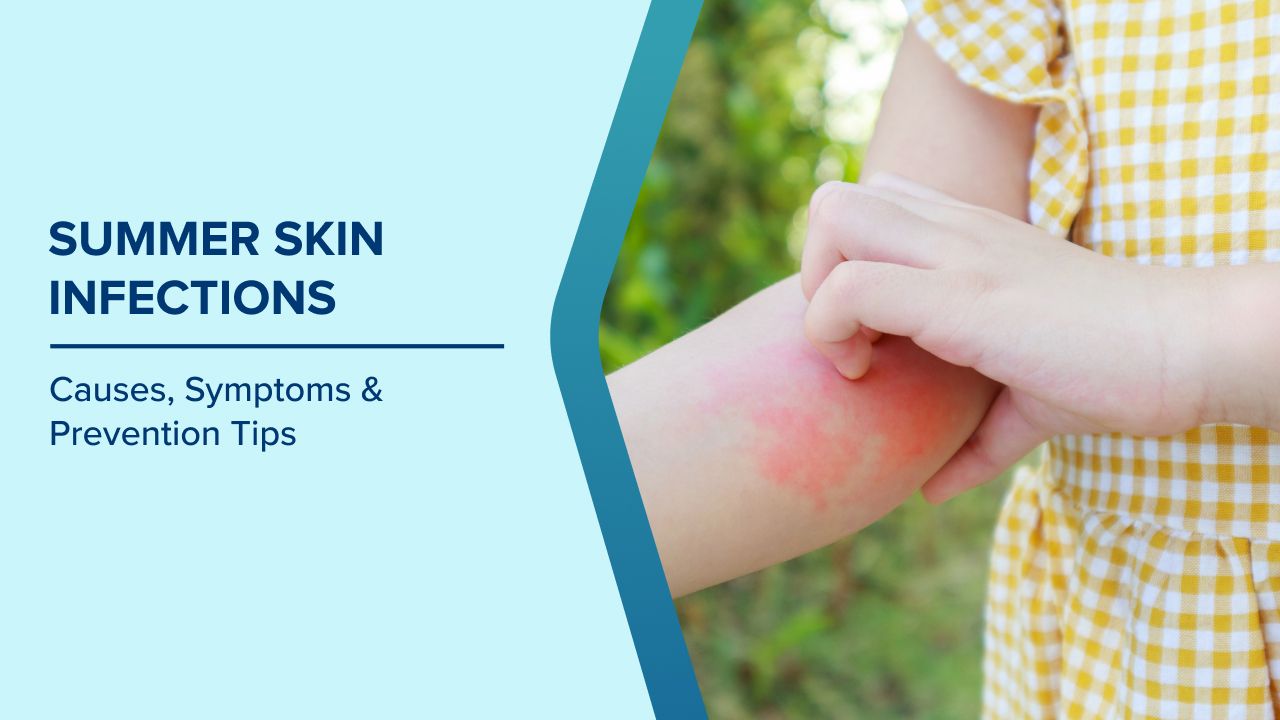
Summer brings long days of sun, heat, and outdoor activities, but it also increases the risk of summer skin infections. Hot, humid conditions promote bacterial, fungal, and viral growth, making skin more prone to infections, all of which can range from mild irritations to more serious conditions. Fortunately, simple lifestyle adjustments, summer skincare tips, and hygienic practices can effectively prevent them and keep your skin healthy during the warmer months.
Why Summer Increases Skin Infection Risk
Warm and humid weather creates an ideal environment for microbes to thrive. Several factors contribute to higher rates of skin infections in summer:
- Excess sweating: Sweat provides moisture that encourages fungal and bacterial growth.
- Friction and chafing: Tight clothing or skin folds can trap moisture and cause irritation.
- Sun exposure: Prolonged sun exposure can damage the skin barrier, making it more vulnerable to infections.
- Outdoor activities: Swimming pools, beaches, gyms, and crowded outdoor areas increase exposure to infectious agents.
Understanding these factors is key to taking preventive action and reducing your risk of common skin infections in summer.
Common Skin Infections During Summer
Fungal Infections
Fungal infections are among the most frequent summer skin infections due to heat and moisture. Common types include:
- Athlete’s foot: Affects feet, causing itching, redness, and peeling, especially between toes.
- Jock itch: Occurs in the groin area, presenting as red, itchy patches.
- Ringworm: Circular red patches with a clearer centre, often affecting arms, legs, or torso.
Causes: Fungi thrive in warm, moist areas; shared footwear, towels, or gym mats can spread infections.
Bacterial Infections
Bacterial skin infections become more common when sweat, minor cuts, or insect bites compromise skin integrity. Typical infections include:
- Impetigo: Red sores or blisters, often on the face or limbs, sometimes oozing.
- Boils and abscesses: Painful, pus-filled lumps caused by bacterial infection of hair follicles.
- Folliculitis: Inflammation of hair follicles, often triggered by sweating or friction.
Triggers: Hot weather, excessive sweating, poor hygiene, or exposure to contaminated water.
Viral Infections
Certain viral infections can flare up during summer:
- Herpes simplex flare-ups: Cold sores or genital herpes may recur with heat and stress.
- Warts: Caused by HPV, more noticeable if minor cuts occur during swimming or outdoor play.
- Chickenpox reactivation: Rare, but shingles can appear in adults with prior exposure.
Seasonal triggers: Sun exposure, minor injuries, and reduced immunity can promote viral reactivation.
Heat-Related Skin Conditions
While not infections, heat-related conditions can mimic infections:
- Heat rash (miliaria): Small red bumps caused by blocked sweat ducts.
- Aggravating factors: Excess sweating, humid weather, tight clothing.
- Difference from infections: Usually resolves quickly with cooling and hygiene measures.
Prevention Tips for Summer Skin Infections
Hygiene Practices
Maintaining proper hygiene is the first line of defence:
- Shower after heavy sweating or swimming.
- Use clean towels and clothing daily.
- Avoid sharing personal items, such as razors or footwear.
- Keep your hands clean, especially after touching communal surfaces.
Clothing and Skin Protection
Appropriate clothing can reduce friction, moisture, and sun-related damage:
- Wear loose, breathable fabrics like cotton.
- Use moisture-wicking clothing during exercise.
- Apply sun protection to prevent sunburn and skin infections.
Read more: Common Skin Infections in Children Demystified
Skincare and Moisturization
Caring for the skin barrier helps prevent infections:
- Keep skin clean and dry, especially in folds and around the feet.
- Use antifungal powders if prone to athlete’s foot or jock itch.
- Avoid excessive oils and occlusive products that trap moisture.
Swimming and Outdoor Safety
Swimming and outdoor activities increase exposure to microbes:
- Shower immediately after swimming in pools or at the beach.
- Wear protective footwear on wet surfaces or communal showers.
- Avoid swimming in contaminated or stagnant water.
When to See a Doctor
Medical consultation is recommended if infections do not improve or worsen:
- Persistent redness, swelling, or pus.
- Fever accompanying skin infection.
- Rapidly spreading rash or intense pain.
- Ineffective home remedies after a few days.
Early diagnosis ensures timely treatment, preventing complications from bacterial or fungal infections.
Conclusion
Summer heat and humidity increase the risk of fungal, bacterial, and viral skin infections. Preventive measures such as proper hygiene, breathable clothing, sun protection, and careful skincare are essential. Showering after swimming, keeping skin dry, and using antifungal powders when needed can greatly reduce the risk of infection. A healthcare professional should evaluate persistent or worsening symptoms. Following consistent summer skincare tips ensures healthy, resilient skin throughout the hot months.
Frequently Asked Questions
Can heat rash turn into an infection if untreated?
Heat rash usually resolves with cooling and hygiene measures, but scratching can introduce bacteria, potentially leading to secondary infections.
How can I prevent athlete’s foot at public pools?
Wear flip-flops or water shoes in communal areas, keep feet dry, and use antifungal creams if prone to fungal infections.
Are some people more prone to skin infections in summer?
Yes, individuals with excessive sweating, diabetes, weakened immunity, or frequent outdoor exposure are at higher risk.
Can sunscreen trigger skin infections?
Most sunscreens are safe, but heavy or oily formulations may trap sweat and moisture, leading to acne vulgaris.
How long does it take for fungal infections to heal in summer?
Mild fungal infections may improve within 1–2 weeks with treatment, while severe cases can take several weeks of consistent therapy.
Are natural remedies effective against summer skin infections?
Some natural remedies, such as tea tree oil or aloe vera, may help with mild infections, but they should complement, not replace, medical treatment.
Written and Verified by:

Related Blogs


Most read Blogs


Related Blogs
Most read Blogs