 WhatsApp Us (24/7)
 +91 926 888 0303 (24/7)


To Book an Appointment
Call Us+91 926 888 0303Preparing for a Lung Function Test: Dos and Don’ts
By Dr. Shivanshu Raj Goyal in Pulmonology
Sep 30 , 2025 | 5 min read

A lung function test, also known as a pulmonary function test, is a crucial tool that enables doctors to measure the effectiveness of your lungs. It can assess how much air you can breathe in and out, how efficiently oxygen moves into your blood, and whether your lungs are functioning at their best. These tests are often recommended for people with breathing difficulties, chronic lung conditions, or before certain treatments.
While the test itself is straightforward, the accuracy of the results largely depends on how well you prepare. Simple habits in the days and hours before the appointment can make a big difference. Knowing what to do and what to avoid ensures that your results truly reflect your lung health.
Understanding Lung Function Tests
Lung function tests are non-invasive assessments that evaluate different aspects of breathing. Some of the most common include:
- Spirometry: Measures how much air you can breathe out and how quickly.
- Lung volume tests: Check how much air your lungs can hold.
- Diffusion capacity tests: Assess how well oxygen passes from your lungs into your bloodstream.
These tests may be performed if you have symptoms like a persistent cough, shortness of breath, or if your doctor suspects asthma, chronic obstructive pulmonary disease (COPD), or another respiratory condition.
Why Preparation Is Important for Accurate Results
Many everyday habits, from food choices to physical activity, can temporarily affect how your lungs perform. For example, smoking or consuming caffeine before the test can alter your results.
Similarly, wearing restrictive clothing can make breathing tests more difficult. Preparing properly allows your doctor to see your lung function clearly, without interference from temporary factors.
Dos Before a Lung Function Test
Following the right steps before your test can help ensure a smooth process and reliable results.
- Wear comfortable clothing: Loose-fitting clothes prevent restriction of chest and abdominal movement, allowing you to breathe deeply and naturally during the test.
- Bring your medication list: Your doctor will need to know what medicines you are currently taking, including inhalers or tablets that affect breathing.
- Follow medication instructions: Sometimes your doctor may ask you to continue certain medicines, while in other cases you may be advised to pause them for a short period before testing. Always clarify this in advance.
- Eat light meals: Having a heavy meal can make it harder to take deep breaths. A lighter meal or snack before your appointment helps you stay comfortable.
- Stay hydrated: Drinking water keeps your airways moist and makes breathing easier. Aim for normal hydration without overdoing it.
Don’ts Before a Lung Function Test
Equally important are the things you should avoid, as they can interfere with the accuracy of your test.
- Do not smoke: Smoking, even hours before the test, can reduce lung performance and distort results.
- Avoid alcohol: Alcohol can relax airways and affect breathing control, leading to unreliable outcomes.
- Limit caffeine intake: Coffee, tea, and energy drinks can stimulate the lungs and change how airways respond.
- Avoid vigorous exercise: Intense physical activity just before the test can temporarily affect lung function.
- Do not wear tight belts or restrictive tops: Clothing that compresses the chest or abdomen can interfere with breathing movements.
- Avoid eating right before the test: A full stomach can make it uncomfortable to take deep breaths.
Day-of-Test Guidelines: What to Expect and How to Stay Comfortable
When you arrive for your lung function test, a technician or nurse will guide you through the process, explaining each step clearly. Here is how you can prepare yourself mentally and physically on the day:
- Relax and breathe normally: Anxiety can make your breathing irregular, so try to stay calm.
- Listen carefully to instructions: The test may involve short bursts of fast breathing or long, deep inhalations. Following the guidance closely ensures accurate measurements.
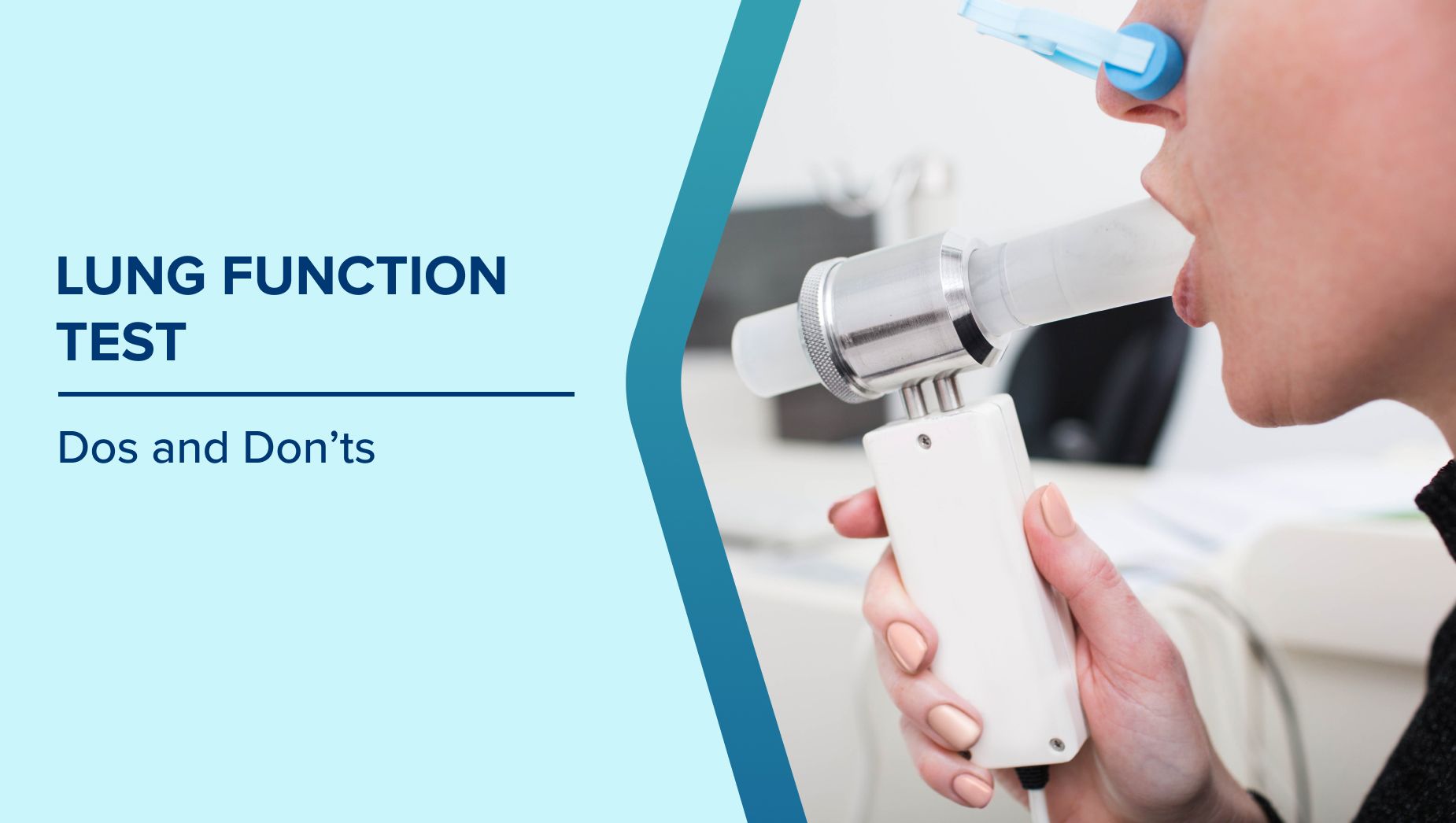
- Use nose clips when asked: These help keep air from escaping through your nose and make the results more reliable.
- Be honest about symptoms: If you feel dizzy, tired, or breathless during the test, let the technician know immediately.
Most tests take less than an hour, and there is usually no discomfort involved.
After the Test: What Happens and Recovery Tips
Once the test is completed, you can usually return to your normal routine right away. In some cases, if you were asked to stop certain medicines, your doctor may guide you on when to restart them. You might feel slightly light-headed after performing deep or fast breathing exercises, but this usually settles quickly.
If you were given medication as part of the test (such as a bronchodilator—to be avoided for at least 12 hrs prior for best results), your doctor may observe how your breathing changes before finalising the results. The outcomes are typically discussed in a follow-up appointment.
Lifestyle Tips for Better Lung Health
Preparing for a lung function test is important, but long-term habits also play a vital role in keeping your lungs healthy. Consider the following:
- Quit smoking: The single most effective step to protect lung health.
- Stay active: Regular physical activity, such as walking, swimming, or cycling, helps strengthen the breathing muscles.
- Eat a balanced diet: Nutrient-rich foods support overall health and immunity.
- Maintain clean air at home: Reduce exposure to dust, fumes, and strong chemicals. Using air purifiers may help in polluted environments.
- Practise breathing exercises: Simple techniques like deep breathing or yoga-based breathing can improve lung efficiency over time.
Conclusion
A lung function test is a simple, safe, and effective way to understand how your lungs are working. The results provide doctors with valuable information that guides diagnosis and treatment. By following the dos and don’ts before your test, you can help ensure that the results are accurate and meaningful. Remember, small steps like avoiding smoking, caffeine, or heavy meals on the day of your appointment can make a significant difference.
Good preparation not only makes the test smoother but also helps your doctor give you the best possible care for your respiratory health.
Frequently Asked Questions
How long does a lung function test usually take?
Most tests take between 30 and 60 minutes, depending on the type of assessments being performed.
Can I drive myself home after the test?
Yes, lung function tests are safe, and you can usually resume normal activities immediately, including driving.
Is fasting required before a lung function test?
No, fasting is not necessary. However, a light meal is recommended rather than a heavy one before your appointment.
Can children undergo lung function tests?
Yes, children can have lung function tests, though the methods may be adjusted to suit their age and ability to follow instructions.
Do I need to stop using my inhaler before the test?
Your doctor will guide you. In some cases, you may need to pause inhaler use for a few hours to get accurate baseline readings.
What if I feel unwell on the day of the test?
If you have a fever, cold, or severe cough, it is best to inform your doctor, as these can affect the accuracy of results.
Written and Verified by:

Related Blogs

Medical Expert Team
Jun 06 , 2015 | 2 min read

Blogs by Doctor

Climate Change and Tuberculosis: Risks, Challenges & Solutions
Dr. Shivanshu Raj Goyal In Pulmonology
Apr 02 , 2025 | 3 min read
Smoking and Vaping: How They Damage Your Lungs Over Time
Dr. Shivanshu Raj Goyal In Pulmonology
Sep 02 , 2025 | 2 min read
Most read Blogs


Related Blogs
Medical Expert Team
Jun 06 , 2015 | 2 min read
Blogs by Doctor
Climate Change and Tuberculosis: Risks, Challenges & Solutions
Dr. Shivanshu Raj Goyal In Pulmonology
Apr 02 , 2025 | 3 min read
Smoking and Vaping: How They Damage Your Lungs Over Time
Dr. Shivanshu Raj Goyal In Pulmonology
Sep 02 , 2025 | 2 min read
Most read Blogs