 WhatsApp Us (24/7)
 +91 926 888 0303 (24/7)


To Book an Appointment
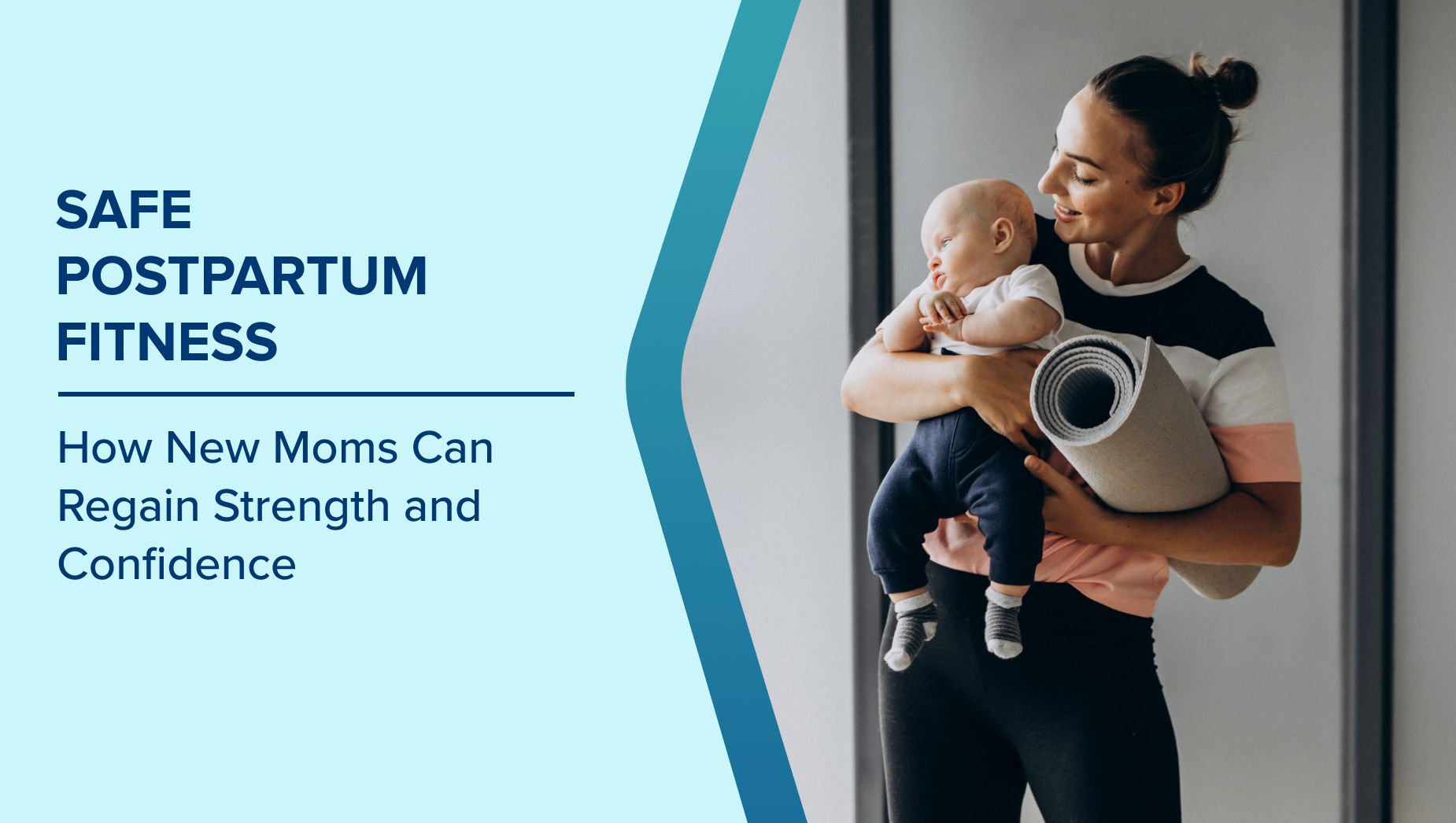
Call Us+91 926 888 0303Safe Postpartum Fitness: How New Moms Can Regain Strength and Confidence
By Dr. Priyanka Chauhan Garg in Obstetrics And Gynaecology
Jan 05 , 2026 | 6 min read
3

After childbirth, your body has already performed one of the greatest physical imaginations. Yet, for many new mothers, the next big question arises soon after: “When and how can I get my strength and fitness back safely?”
Postpartum recovery isn’t just about losing pregnancy weight, it’s about rebuilding strength, restoring energy, supporting emotional well-being, and learning to reconnect with your body in a gentle and nurturing way.
Understanding Postpartum Recovery
Childbirth places incredible demands on a woman’s body. After delivery, your muscles, joints, and hormones undergo significant changes. Postpartum recovery focuses on allowing the body to heal and gradually return to strength without rushing the process.
Why Recovery Before Fitness Matters
- Pelvic floor muscles and core strength are often weakened after pregnancy.
- Hormonal changes can increase joint looseness, making injuries and disbalance more likely.
- Sleep deprivation and emotional stress can affect energy and motivation.
Before jumping into a workout routine, it’s essential to let your body heal for at least 4–6 weeks after vaginal delivery or 8–10 weeks after a C-section, unless your doctor advises otherwise.
Postpartum Fitness: A Gentle Start
Begin with Breathing and Core Activation
The foundation of postpartum fitness starts with reconnecting to your breath and abdominal muscles. Try deep belly breathing and pelvic tilts to strengthen the core without strain.
- Sit or lie down comfortably.
- Inhale deeply, allowing your abdomen to rise.
- Exhale slowly, gently engaging your pelvic floor.
These simple movements improve circulation, aid healing, and prepare your body for further exercises. (Warm up)
Focus on Pelvic Floor Exercises
Pelvic floor recovery is crucial for preventing urinary incontinence and improving core stability. Kegel’s exercises can be started early (once allowed by your doctor):
- Squeeze and hold your pelvic muscles for 5 seconds, then release.
- Repeat 10–15 times, several times a day.
Light Walking: The First Step Toward Fitness
Walking is one of the safest and most effective ways to regain strength after pregnancy. Start with short, gentle walks and increase duration as you feel stronger. It improves circulation, boosts mood, and supports gradual weight loss.
Building a New Mom Workout Routine
Once your doctor approves more activity, you can move to a structured but safe workout plan.
Phase 1: Gentle Rebuilding (Weeks 6–12)
- Exercises: Pelvic floor lifts, bridges, gentle yoga, modified planks
- Goal: Reconnect muscles, enhance flexibility, improve stability
- Frequency: 3–4 sessions a week
Phase 2: Strength and Endurance (Months 3–6)
- Exercises: Bodyweight squats, light resistance bands, incline pushups, stationary cycling
- Goal: Build lean strength and stamina
- Tip: Focus on form, not intensity; slow, steady progress matters most.
Phase 3: Active Rejuvenation (After 6 Months)
- Exercises: Low-impact cardio, Pilates, light jogging, swimming
- Goal: Boost cardiovascular health, endurance, and confidence
- Reminder: Listen to your body and stop if you experience pain, pressure, or heavy bleeding.
Postpartum Nutrition: Fuel for Recovery
A healthy diet plays a central role in postpartum recovery and energy restoration.
Key Nutritional Tips
- Protein-rich foods: Eggs, fish, lentils, and lean meats support muscle repair.
- Iron and calcium: Essential for rebuilding bone and blood health.
- Hydration: Drink plenty of water, especially if breastfeeding, to stay energised and aid milk production.
- Fibre and whole grains: Help regulate digestion and maintain energy levels.
- Healthy fats: Include nuts, seeds, avocados, and olive oil to support hormonal balance.
Smart Postpartum Eating Habits
- Avoid restrictive diets; your body needs calories to heal.
- Choose small, frequent meals packed with nutrients.
- Limit sugary snacks and processed foods that cause energy crashes.
Emotional Wellbeing After Childbirth
Emotional health is as important as physical recovery. Many new moms experience mood swings, anxiety, or postpartum blues due to hormonal changes and sleep deprivation.
Ways to Support Mental Health
- Stay connected: Talk with family, friends, or a support group.
- Rest whenever possible: Even short naps help restore mental energy.
- Practice mindfulness: Deep breathing, meditation, or journaling can ease stress.
- Seek help early: If sadness, anxiety, or irritability persist, talk to a doctor about postpartum depression.
A healthy mind supports a healthy body, self-care is not selfish, it’s essential.
How to Lose Body Weight Safely
Weight loss after childbirth should be gradual and sustainable. Rapid weight loss can affect milk supply and energy levels.
- Set realistic goals, aim for 0.5–1 kg per week after the first two months.
- Combine light cardio with strength training to burn fat while building muscle.
- Prioritise sleep, poor rest disrupts metabolism and hunger hormones.
- Stay hydrated; dehydration can often be mistaken for hunger.
- Celebrate progress, every small step counts toward lasting wellness.
Remember, your body has changed in beautiful ways. Fitness is about feeling strong and confident, not just fitting into old jeans.
Common Postpartum Exercise Mistakes to Avoid
Even with the best intentions, new moms often make a few mistakes early in their fitness journey.
Avoid These Pitfalls
- Skipping medical: Always get your doctor’s approval first.
- Ignoring pelvic discomfort or pain: It may indicate a weakened pelvic floor infection or sudden bleeds from vagina.
- Doing high-impact workouts too soon: Running or heavy lifting can delay recovery.
- Neglecting nutrition: Exercise alone won’t support recovery without a balanced diet.
- Comparing yourself to others: Every recovery journey is unique.
How Rest and Sleep Aid Postpartum Recovery
Sleep might feel like a luxury, but it’s essential for healing. During rest, your body repairs tissues, restores energy, and regulates hormones.
Tips to Maximise Moments of Rest
- Sleep when your baby sleeps.
- Share night duties with your partner or family.
- Avoid screen time before bed for better sleep quality.
- Gentle stretching before bed can relax your body.
Adequate rest speeds up recovery and boosts both mental and physical resilience.
Safe Ways to Stay Active Without Overdoing It
If long workouts feel impossible, small movements throughout the day can make a difference.
Simple Ways to Stay Active
- Do light stretches while feeding your baby.
- Take short walks around the house or street.
- Practice mindful breathing during quiet moments.
- Try gentle yoga or Pilates videos designed for postpartum recovery.
Consistency matters more than intensity, Regular and mindful activities add up.
The Importance of Emotional Support
Many mothers underestimate the power of emotional and social support.
- Join postpartum exercise classes or mom groups.
- Share experiences, it normalises challenges.
- Surround yourself with positivity and encouragement.
Feeling understood and supported can significantly boost motivation and mental health during recovery.
Conclusion
Postpartum fitness is not about bouncing back, it’s about moving forward. Through safe exercises, nourishing food, adequate rest, and emotional care, you can rebuild your strength and confidence, step by step.
Your body deserves compassion and patience after all it has achieved. Listen to it, nurture it, and celebrate every milestone on your way to recovery. Stay consistent, be kind to yourself, and remember that your strength is already within you.
If you’re unsure about where to start or experience discomfort while exercising, consult your doctor for personalised guidance.
Frequently Asked Questions
When can I start exercising after giving birth?
Most women can begin light activities, such as walking or pelvic floor exercises, after 4–6 weeks, but it's always best to check with your doctor first.
What exercises should I avoid postpartum?
Avoid high-impact workouts, such as ab crunches and heavy lifting, until your core and pelvic muscles have fully recovered.
How can I safely strengthen my pelvic floor?
Practice Kegel exercises daily and maintain good posture. Avoid holding your breath or straining during any movement.
Does breastfeeding affect postpartum weight loss?
Yes, breastfeeding can help burn extra calories, but you still need a balanced diet and adequate hydration for recovery.
How do I stay motivated when I feel tired?
Set small goals, celebrate little wins, and remind yourself that progress takes time. Include your baby in light walks or stretches for extra fun.
Can postpartum exercise improve mood and energy levels?
Absolutely. Regular physical activity releases endorphins, improves sleep, and helps reduce postpartum blues.
What’s the best diet for postpartum recovery?
A diet rich in protein, fibre, calcium, and healthy fats supports tissue repair, hormone balance, and energy levels.
Written and Verified by:

Related Blogs

Dr. Manju Khemani In Obstetrics And Gynaecology
Oct 27 , 2020 | 3 min read

Dr. Neera Aggarwal In Obstetrics And Gynaecology , Nutrition And Dietetics
Nov 07 , 2020 | 7 min read
Blogs by Doctor

Embracing Parenthood: Navigating Pregnancy and Childbirth
Dr. Priyanka Chauhan Garg In Obstetrics And Gynaecology
Feb 29 , 2024 | 2 min read
Most read Blogs

Related Blogs
Dr. Manju Khemani In Obstetrics And Gynaecology
Oct 27 , 2020 | 3 min read
Dr. Neera Aggarwal In Obstetrics And Gynaecology , Nutrition And Dietetics
Nov 07 , 2020 | 7 min read
Blogs by Doctor
Embracing Parenthood: Navigating Pregnancy and Childbirth
Dr. Priyanka Chauhan Garg In Obstetrics And Gynaecology
Feb 29 , 2024 | 2 min read
Most read Blogs