 WhatsApp Us (24/7)
 +91 926 888 0303 (24/7)


To Book an Appointment
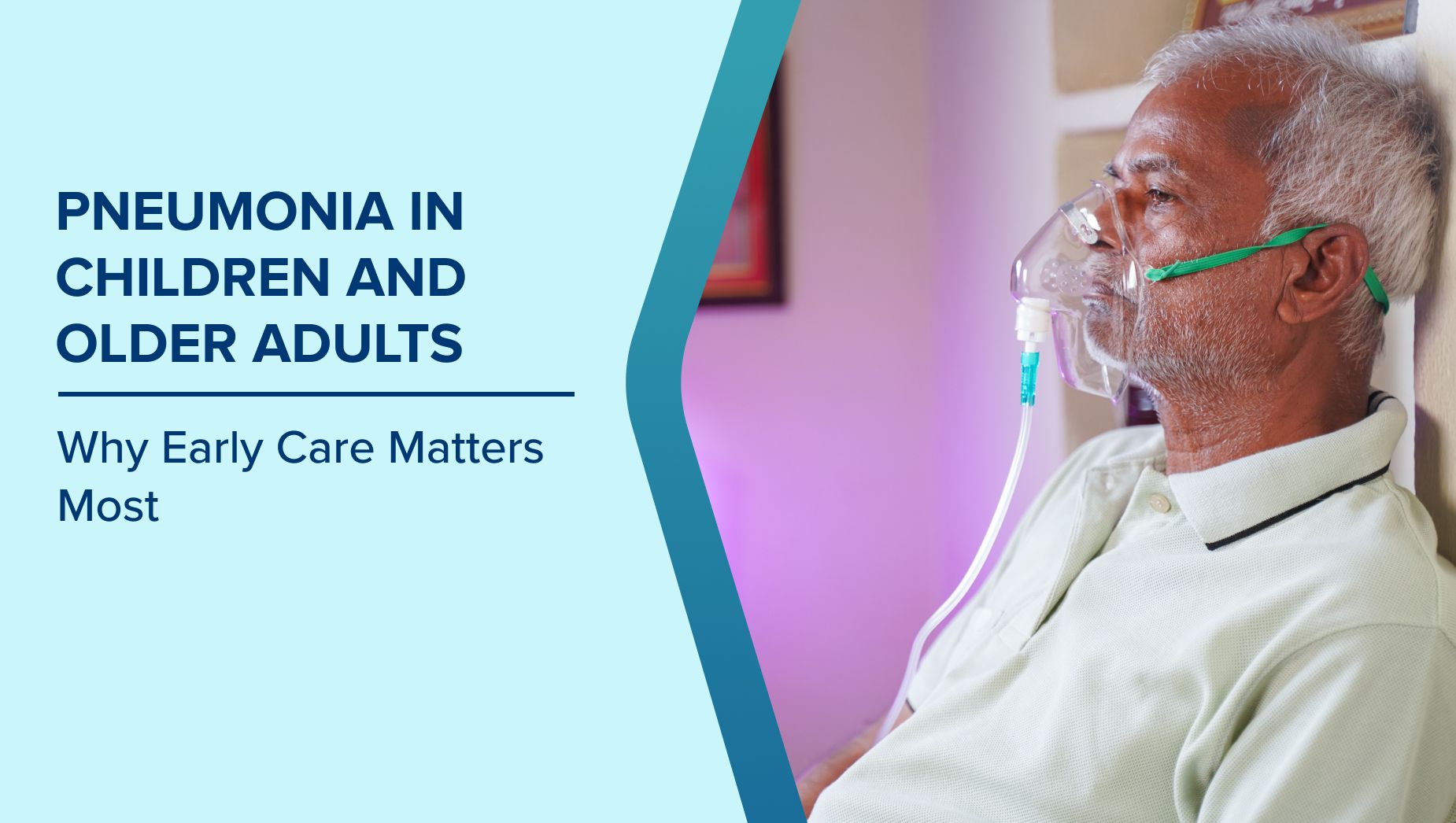
Call Us+91 926 888 0303Pneumonia in Children and Older Adults: Why Early Care Matters Most
By Dr. Gyanendra Agrawal in Pulmonology , Critical Care
Nov 10 , 2025 | 6 min read

Pneumonia remains one of the most serious respiratory infections affecting people of all ages, but it can be especially dangerous for children and older adults. While many individuals recover fully with proper treatment, the condition can turn life-threatening if care is delayed. What makes pneumonia particularly challenging in these two age groups is the way their immune systems respond and how quickly the infection can worsen.
Understanding why early medical attention matters can make a real difference. Recognising the first signs, seeking prompt medical help, and supporting recovery through home care and prevention can all play vital roles in safeguarding health.
Why Children and Older Adults Are More Susceptible
Children and older adults sit at opposite ends of the age spectrum, yet they share a common vulnerability — a weaker ability to fight infections effectively. In children, the immune system is still developing, which makes them less equipped to handle certain bacteria or viruses that cause pneumonia. Their smaller airways can also become blocked more easily, leading to breathing difficulties even in mild infections.
In contrast, older adults experience a gradual decline in immune function over time. The lungs lose some of their elasticity, and the body’s natural defences may not respond as efficiently. Pre-existing health conditions such as diabetes, heart disease, or chronic lung problems can further reduce the body’s resilience. This makes it harder to clear infections, allowing pneumonia to progress faster and cause complications.
Environmental factors can also contribute. Children often catch infections in crowded spaces such as schools or play areas, while older adults are more likely to be exposed in hospitals or nursing homes. Seasonal changes, poor ventilation, and exposure to air pollution can all heighten risk. Recognising these triggers early is an important step in prevention.
Early Warning Signs That Should Never Be Ignored
One of the main challenges of pneumonia is that its symptoms can appear subtle or misleading, especially in very young or older individuals. A mild cough or tiredness may seem harmless at first, but in these age groups, such signs can escalate rapidly.
In children, parents should be alert to:
- Rapid or laboured breathing
- High fever or chills
- Bluish lips or fingertips
- Unusual drowsiness or refusal to eat
- Whining or restlessness
In older adults, symptoms may be quite different:
- Mild or no fever, but increasing weakness
- Confusion, dizziness, or sudden disorientation
- Chest pain when breathing
- Shortness of breath
- Persistent cough with phlegm or wheezing
Often, older people do not show the typical symptoms of infection. They might simply seem more tired, withdrawn, or confused than usual. That is why timely assessment by a doctor is crucial. Delaying care can allow the infection to spread deeper into the lungs, reducing oxygen supply and leading to serious complications.
Why Early Diagnosis Makes All the Difference
Seeking medical care at the first sign of pneumonia can dramatically improve outcomes, especially for the very young and elderly. Early diagnosis allows doctors to start appropriate treatment before the infection spreads or causes severe inflammation in the lungs.
Prompt medical evaluation helps in:
- Preventing hospitalisation by managing the infection early through medications and rest.
- Avoiding respiratory distress, as oxygen levels can be closely monitored and supported.
- Reducing long-term lung effects, which can occur if the infection becomes severe.
- Shortening recovery time allows both children and older adults to return to their normal routines faster.
Delays in care can lead to complications such as pleural effusion (fluid around the lungs), low oxygen levels, or sepsis. In frail elderly patients, even a mild infection can strain the heart and kidneys. Similarly, young children can quickly become dehydrated or exhausted. Early diagnosis not only saves lives but also prevents prolonged weakness and emotional stress for families.
Supportive Home and Lifestyle Care During Recovery
Once pneumonia is under control, home care becomes an essential part of healing. Whether caring for a child or an older adult, small, consistent efforts at home can make a huge difference in recovery and comfort.
For children:
- Ensure they get plenty of rest and fluids, such as warm soups or water.
- Keep their room well-ventilated but free from cold drafts.
- Offer nutritious, easy-to-digest foods to help regain strength.
- Use a cool-mist humidifier if breathing feels heavy or dry.
For older adults:
- Encourage deep breathing exercises or gentle movement to improve lung function.
- Make sure prescribed medicines are taken on time.
- Keep the surroundings clean and smoke-free.
- Offer high-protein meals, fresh fruits, and warm fluids to maintain energy.
Family members should watch for signs of fatigue, breathlessness, or relapse. Follow-up medical visits are equally important to ensure the lungs are healing well. A balanced diet, hydration, and emotional support play an important role in recovery for both groups.
Prevention: Protecting the Most Vulnerable
Pneumonia prevention begins long before infection strikes. Building strong immunity and avoiding known triggers can significantly lower the risk.
For children, regular vaccination helps protect against several types of pneumonia-causing bacteria and viruses. Hand hygiene, good nutrition, and keeping away from smoke or polluted air are equally important. Parents can also teach children to cover their mouths when coughing and to wash their hands frequently.
For older adults, flu and pneumonia vaccinations can provide vital protection. Maintaining good oral hygiene, avoiding contact with people who have respiratory infections, and managing existing health conditions like diabetes or COPD can reduce vulnerability. Staying active and eating a well-balanced diet with sufficient vitamins and minerals supports overall immune health.
Avoiding incense or strong room sprays and using air purifiers in polluted environments can help reduce lung irritation. These small steps can go a long way in preventing respiratory infections.
Conclusion
Pneumonia can be overwhelming for families when it affects a child or an elderly loved one. However, understanding how quickly the infection can progress and recognising early symptoms can truly change outcomes. Timely medical care, a nurturing home environment, and preventive habits are the cornerstones of protection.
Both children and older adults can recover fully when supported with attentive care, proper rest, and preventive action. The key lies in staying alert, seeking help early, and creating conditions that strengthen the body’s natural defences.
FAQs
1. Can pneumonia return after someone has recovered?
Yes, pneumonia can recur, especially in individuals with weaker immune systems or chronic health conditions. Strengthening immunity, following medical advice, and staying up to date with vaccinations can reduce this risk.
2. How long does it take to regain full strength after pneumonia?
Recovery time varies with age and overall health. Children usually recover within a few weeks, while older adults may need several weeks or months to regain stamina and lung strength.
3. Can pneumonia be safely managed at home?
Mild cases can sometimes be treated at home under medical supervision, provided there is careful monitoring of symptoms and consistent use of prescribed medication. However, hospital care is needed if breathing becomes difficult or oxygen levels drop.
4. Does air pollution affect pneumonia recovery?
Yes, polluted air can slow down recovery by irritating the lungs and triggering coughing or breathlessness. Keeping indoor air clean and avoiding outdoor pollution during recovery is strongly advised.
5. What foods help during recovery from pneumonia?
Light, nutritious meals rich in protein, fruits, and vegetables can help rebuild energy. Warm fluids such as soups, herbal teas, or water with honey can also soothe the throat and keep the body hydrated.
6. How can caregivers detect early breathing problems?
Caregivers should look for signs such as rapid breathing, chest movement, or lips turning slightly bluish. In older adults, increased confusion or tiredness may also signal oxygen shortage, requiring immediate medical attention.
Written and Verified by:

Related Blogs

Medical Expert Team
Jun 06 , 2015 | 2 min read

Blogs by Doctor

How TB Affects Immunity: Boosting Immunity, Treatment, and Prevention
Dr. Gyanendra Agrawal In Pulmonology , Critical Care
Apr 03 , 2025 | 4 min read

Future of TB Management: Faster, Safer & More Personalized
Dr. Gyanendra Agrawal In Pulmonology , Critical Care
Apr 17 , 2025 | 4 min read
Most read Blogs


Related Blogs
Medical Expert Team
Jun 06 , 2015 | 2 min read
Blogs by Doctor
How TB Affects Immunity: Boosting Immunity, Treatment, and Prevention
Dr. Gyanendra Agrawal In Pulmonology , Critical Care
Apr 03 , 2025 | 4 min read
Future of TB Management: Faster, Safer & More Personalized
Dr. Gyanendra Agrawal In Pulmonology , Critical Care
Apr 17 , 2025 | 4 min read
Most read Blogs