 WhatsApp Us (24/7)
 +91 926 888 0303 (24/7)


To Book an Appointment
Call Us+91 926 888 0303PCOS and Skin Health: Managing Acne and Hair Growth
By Dr. Astha Srivastava in Obstetrics And Gynaecology
Oct 01 , 2025 | 4 min read
2

Polycystic Ovary Syndrome, or PCOS, is a hormonal condition that affects millions of women worldwide. While many are familiar with its impact on menstrual cycles and fertility, the effects on skin and hair often cause daily stress and self-consciousness.
Acne, oily skin, dark spots, and unwanted hair growth are common concerns that can affect confidence and overall well-being. Understanding how PCOS influences skin health and learning practical strategies for care can help women manage these symptoms effectively and improve their quality of life.
Understanding PCOS and Its Effect on Skin
PCOS leads to hormonal imbalances, particularly elevated androgens, which are male hormones present in both men and women. These hormonal shifts can directly impact the skin in several ways:
- Increased oil production – Excess androgens stimulate sebaceous glands, leading to oily skin, clogged pores, and acne breakouts.
- Hormonal acne – Often persistent and resistant to standard treatments, hormonal acne can appear on the face, jawline, chin, and sometimes the neck and chest.
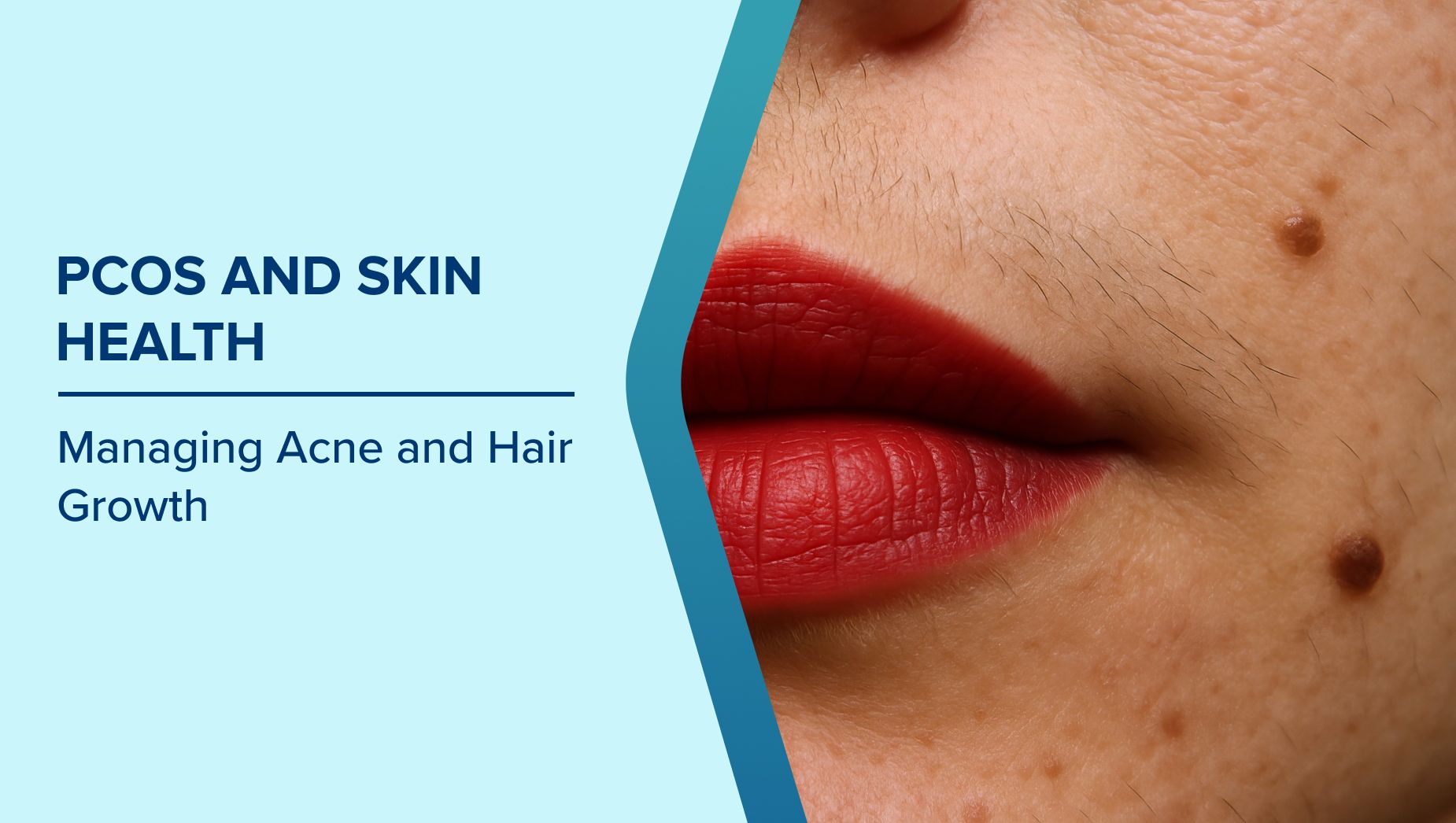
- Hair growth stimulation – Elevated androgen levels can trigger hair follicles to grow thicker, darker hair in areas typically associated with male hair patterns, such as the chin, upper lip, chest, and back.
- Skin texture changes – Women with PCOS may notice rough patches, uneven skin tone, or a higher likelihood of developing dark spots from previous acne.
Understanding these effects helps in tailoring both skincare and hair management routines for optimal results.
Common Skin Concerns in PCOS
Women with PCOS often face a combination of skin issues that can be challenging to manage:
- Acne – Red, inflamed pimples, blackheads, or cystic acne that may persist despite conventional treatments.
- Oily skin – Overproduction of sebum makes the skin shine and can worsen acne outbreaks.
- Hyperpigmentation in PCOS – Dark patches or post-inflammatory marks that remain after acne heals, often seen on the cheeks, jawline, or upper lip.
- Dark spots – Localised marks from previous breakouts that may take months to fade.
- Scalp concerns – Some women notice excessive oiliness, dandruff, or even mild hair thinning on the scalp due to hormonal imbalance.
Addressing these skin concerns requires a combination of targeted skincare, gentle daily routines, and hormonal management where necessary.
Unwanted Hair Growth in PCOS
Unwanted hair growth, medically known as hirsutism, is another common manifestation of PCOS. It can affect self-esteem and create a constant need for grooming. Key aspects include:
- Facial hair – Hair on the chin, upper lip, jawline, or sideburn area can be particularly distressing.
- Body hair – Thick, dark hair may appear on the chest, back, abdomen, or arms.
- Hair texture – Hair may be coarse and grow faster than usual, requiring frequent attention.
Managing facial and body hair in women with PCOS often involves both temporary grooming solutions and longer-term treatments to address hormonal causes.
Skincare and Hair Management Strategies
Effective care combines dermatology-focused treatments with lifestyle practices:
- Topical treatments – Non-comedogenic cleansers, exfoliants, and moisturisers suitable for oily or acne-prone skin can help reduce breakouts and improve texture.
- Acne-specific products – Ingredients like salicylic acid, benzoyl peroxide, or gentle retinoids can target clogged pores and pimples.
- Hair management – Options include shaving, waxing, threading, and depilatory creams for temporary removal, while long-term solutions may involve laser hair removal or electrolysis under professional supervision.
- Consistent routine – Washing the face twice daily, using gentle products, and avoiding harsh scrubbing helps prevent irritation and worsening of acne.
- Sun protection – Applying sunscreen reduces the risk of dark spots and hyperpigmentation, especially after acne breakouts.
Combining these strategies allows women to manage both skin and hair concerns without causing further irritation or damage.
Lifestyle and Diet Tips for Better Skin Health
Beyond direct skincare and hair removal, lifestyle choices play a significant role in managing PCOS-related skin issues:
- Balanced diet – Incorporate whole grains, lean proteins, fruits, vegetables, and healthy fats. Minimising refined sugar and processed foods can help regulate insulin levels, which indirectly affects hormonal balance and acne.
- Hydration – Drinking adequate water supports skin elasticity, reduces dryness, and helps flush out toxins.
- Stress management – Chronic stress can trigger hormonal fluctuations, leading to flare-ups in acne or hair growth. Practices like meditation, yoga, or mindfulness can help maintain balance.
- Regular exercise – Physical activity improves circulation, supports hormone regulation, and can reduce insulin resistance, which may positively influence skin and hair health.
- Sleep quality – Adequate sleep allows the skin to repair itself and helps maintain overall hormonal balance.
Incorporating these lifestyle tips creates a supportive environment for skin and hair care, complementing dermatological treatments.
When to Seek Professional Help
While self-care can manage many PCOS skin concerns, certain signs indicate it is time to consult a healthcare provider:
- Persistent or severe acne that does not respond to over-the-counter treatments.
- Rapid increase in facial or body hair.
- Sudden changes in skin texture, pigmentation, or unexplained rashes.
- Scalp issues, including hair thinning or excessive shedding.
A dermatologist or endocrinologist can assess hormonal imbalance, prescribe targeted treatments, and recommend safe procedures for hair management. Early professional guidance often prevents complications and improves outcomes.
Conclusion
PCOS can affect skin and hair in multiple ways, but these challenges are manageable with consistent care and a combination of professional guidance and lifestyle adjustments. By understanding how hormonal imbalances impact acne, hair growth, and overall skin health, women can adopt effective skincare routines, manage unwanted hair, and build confidence. With patience, the right strategies, and regular check-ups, maintaining healthy skin and hair is entirely achievable even with PCOS.
Frequently Asked Questions
Can PCOS-related acne appear on uncommon areas like the back or chest?
Yes, hormonal acne in PCOS can appear on the back, chest, and shoulders, not just the face.
Are certain hair removal methods better for PCOS?
Long-term methods like laser hair removal or electrolysis are more effective, while shaving or waxing provides temporary results.
Does PCOS affect nail or scalp health?
Yes, some women notice brittle nails, excessive scalp oiliness, or mild hair thinning due to hormonal changes.
How does skincare routine timing impact hormonal acne?
Consistently cleansing and moisturizing morning and evening helps prevent clogged pores and reduces acne risk.
Can changing hair grooming habits reduce skin irritation?
Yes, gentle methods and avoiding frequent harsh waxing or shaving can reduce irritation and inflammation on sensitive skin.
Written and Verified by:

Related Blogs

Dr. Manju Khemani In Obstetrics And Gynaecology
Oct 27 , 2020 | 3 min read

Dr. Neera Aggarwal In Obstetrics And Gynaecology , Nutrition And Dietetics
Nov 07 , 2020 | 7 min read
Blogs by Doctor

Living with PCOS: Embracing the Daily Challenges and Finding Strength
Dr. Astha Srivastava In Obstetrics And Gynaecology
Apr 28 , 2025 | 4 min read
Weeks 1 and 2 of Pregnancy: What You Need to Know
Dr. Astha Srivastava In Obstetrics And Gynaecology
Jul 16 , 2025 | 7 min read
Most read Blogs

Related Blogs
Dr. Manju Khemani In Obstetrics And Gynaecology
Oct 27 , 2020 | 3 min read
Dr. Neera Aggarwal In Obstetrics And Gynaecology , Nutrition And Dietetics
Nov 07 , 2020 | 7 min read
Blogs by Doctor
Living with PCOS: Embracing the Daily Challenges and Finding Strength
Dr. Astha Srivastava In Obstetrics And Gynaecology
Apr 28 , 2025 | 4 min read
Weeks 1 and 2 of Pregnancy: What You Need to Know
Dr. Astha Srivastava In Obstetrics And Gynaecology
Jul 16 , 2025 | 7 min read
Most read Blogs