 WhatsApp Us (24/7)
 +91 926 888 0303 (24/7)


To Book an Appointment
Call Us+91 926 888 0303Pancreatic Cancer: 10 Myths Vs Facts
By Dr. Manoj K. Tayal in Radiation Oncology , Cancer Care / Oncology , Uro-Oncology , Musculoskeletal Oncology , Breast Cancer
Dec 03 , 2025 | 5 min read

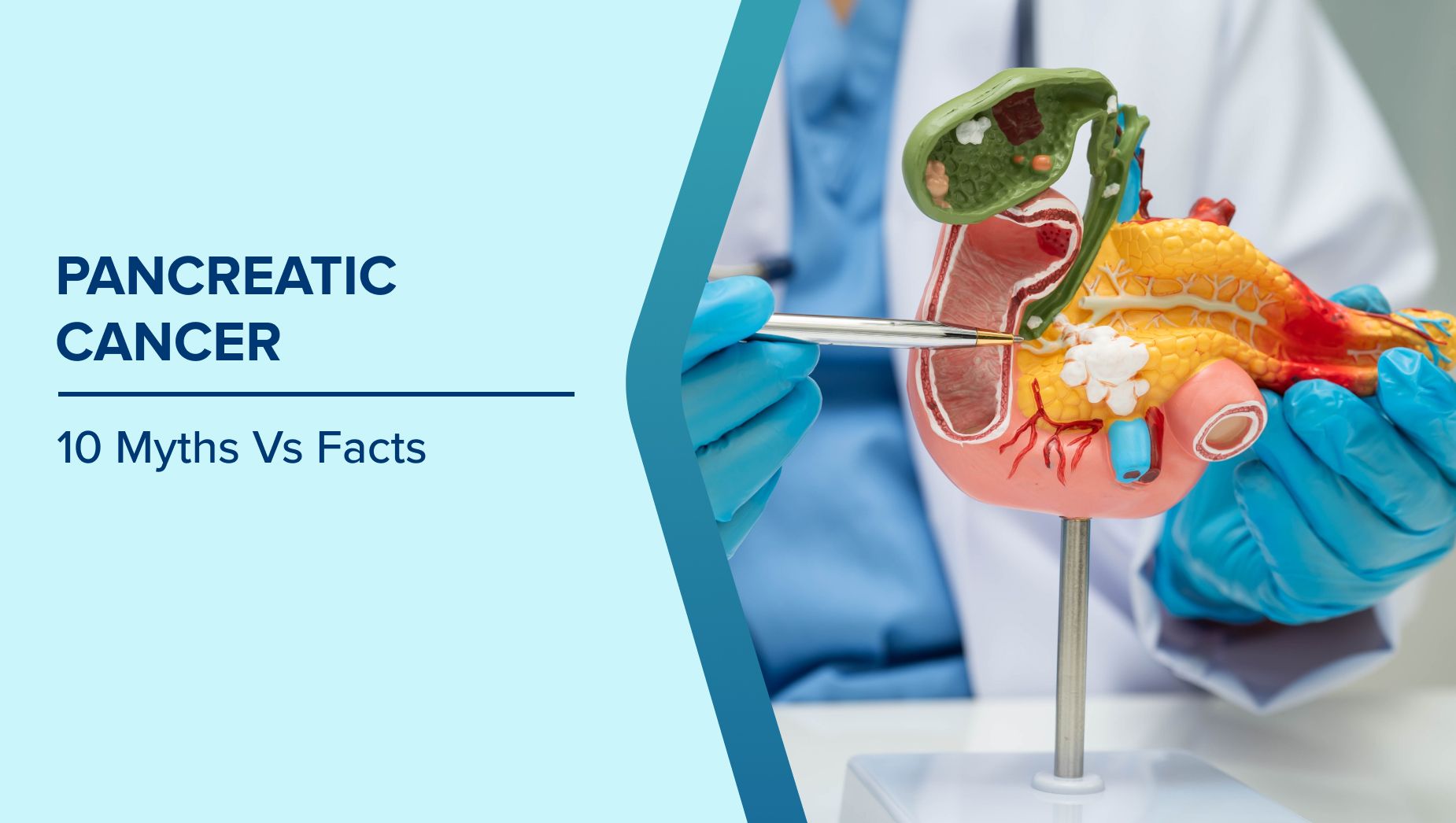
Pancreatic cancer is often called a “silent disease” because it develops quietly and shows symptoms only when it has reached an advanced stage. Unfortunately, this lack of early warning signs has allowed many misconceptions to spread. These myths can prevent people from recognising symptoms, seeking medical advice, or believing in the effectiveness of treatment. Understanding the truth about pancreatic cancer is essential for early detection, timely care, and better outcomes.
Myth 1: Pancreatic cancer always shows clear early symptoms
Fact: Pancreatic cancer rarely causes noticeable symptoms in its early stages. The pancreas is located deep within the abdomen, and tumours can grow without causing pain or visible changes for a long time. When symptoms such as abdominal discomfort, fatigue, unexplained weight loss, or jaundice appear, the disease may already be advanced. Paying attention to subtle changes and maintaining regular health check-ups can help detect pancreatic issues earlier.
Myth 2: Only older adults get pancreatic cancer
Fact: Although pancreatic cancer is more common in people over the age of 60, it can develop in younger adults too. Genetic factors, chronic pancreatitis, smoking, obesity, and diabetes can increase risk regardless of age. Awareness and a healthy lifestyle are important for everyone, not just older adults.
Myth 3: Pancreatic cancer is always fatal
Fact: This is one of the most damaging myths. While pancreatic cancer is serious, it is not automatically fatal. Advances in medical care have improved treatment options, helping patients live longer and enjoy a better quality of life. When detected early, surgery combined with targeted therapy or chemotherapy can be effective. Supportive care and regular follow-ups also make a significant difference in managing symptoms and maintaining strength during treatment.
Myth 4: Surgery is never an option for pancreatic cancer
Fact: Many people believe that pancreatic cancer cannot be treated with surgery, but that is not true. Surgery can be performed if the tumour is confined to the pancreas and has not spread extensively. Procedures such as a Whipple operation or distal pancreatectomy may remove the affected part of the pancreas while preserving as much healthy tissue as possible. Doctors assess every case individually to decide if surgery is appropriate.
Myth 5: Lifestyle choices have no effect on pancreatic cancer
Fact: Lifestyle factors play a vital role in the development and prevention of pancreatic cancer. Smoking, heavy alcohol use, obesity, and diets high in processed foods can increase risk. In contrast, eating a balanced diet rich in fruits, vegetables, and whole grains, maintaining a healthy weight, and staying physically active can support overall pancreatic health and reduce risk.
Myth 6: Jaundice always means pancreatic cancer
Fact: Jaundice, or yellowing of the skin and eyes, occurs when bilirubin builds up in the blood. While jaundice can be a sign of pancreatic cancer, it is also linked to many other conditions, such as gallstones, liver infections, or bile duct problems. Anyone experiencing jaundice should consult a doctor promptly for proper diagnosis rather than assuming the worst.
Myth 7: Pancreatic cancer affects only men
Fact: Pancreatic cancer affects both men and women. Men have a slightly higher risk, often due to lifestyle factors like smoking or certain occupational exposures, but women are also at risk, especially those with diabetes, obesity, or a family history of pancreatic disease. Regular screenings and awareness are equally important for both genders.
Myth 8: There is nothing one can do to prevent pancreatic cancer
Fact: While some risk factors, such as age or family history, cannot be controlled, others can. Avoiding smoking, limiting alcohol intake, eating a nutrient-rich diet, and managing diabetes effectively can significantly reduce the risk. Regular health check-ups also help detect any potential issues early.
Myth 9: Once diagnosed, there is little hope
Fact: A diagnosis of pancreatic cancer can be frightening, but modern treatment plans offer real hope. Depending on the stage and overall health of the patient, treatment may include surgery, chemotherapy, radiation therapy, or a combination of these. With early diagnosis and comprehensive care, many patients live productive, meaningful lives. Emotional resilience, family support, and expert medical care make a powerful difference.
Myth 10: Pancreatic cancer cannot be detected before symptoms appear
Fact: Although there is no universal screening test for pancreatic cancer, individuals with a family history or genetic risk can undergo regular imaging and blood tests. These help identify changes in the pancreas before major symptoms arise. Doctors may recommend such monitoring for high-risk patients to ensure timely intervention.
The Importance of Awareness and Early Diagnosis
Awareness is one of the strongest defences against pancreatic cancer. Recognising warning signs such as unexplained weight loss, jaundice, digestive discomfort, or persistent back pain can lead to earlier medical consultation. Many of these symptoms overlap with other health conditions, which is why professional evaluation is crucial.
Timely diagnosis allows doctors to plan treatment before the cancer spreads. Modern imaging techniques and surgical precision have made it possible to detect and treat pancreatic tumours more effectively than before. Awareness campaigns and open conversations about symptoms can help reduce delays in seeking medical help.
Living Positively After a Pancreatic Cancer Diagnosis
Life after a pancreatic cancer diagnosis can be challenging, but it is far from hopeless. With supportive medical care, emotional counselling, and a balanced approach to nutrition and rest, patients can live meaningfully through treatment and beyond.
Regular follow-up visits, adherence to prescribed medications, and maintaining open communication with healthcare teams are key. Many patients find comfort in support groups or community resources that connect them with others going through similar experiences. Focusing on mental health and small lifestyle changes can enhance overall well-being throughout recovery.
Conclusion
Myths about pancreatic cancer can create unnecessary fear and confusion. Knowing the facts empowers people to make informed choices, recognise symptoms early, and seek timely care. With awareness, early medical attention, and healthy lifestyle habits, it is possible to detect pancreatic cancer sooner and improve outcomes.
Taking responsibility for one’s health, getting regular check-ups, and staying alert to changes in the body are simple but powerful steps toward prevention and long-term wellness.
FAQs
1. What are the common warning signs of pancreatic cancer?
Early signs may include abdominal or back pain, loss of appetite, unexplained weight loss, fatigue, pale stools, or jaundice. If these symptoms persist, a medical evaluation is necessary to determine the cause.
2. Can pancreatic cancer be hereditary?
Yes, a small percentage of pancreatic cancers are linked to inherited genetic mutations or family history. People with multiple relatives affected by the disease should discuss genetic counselling with their doctor.
3. How is pancreatic cancer monitored after treatment?
Doctors use follow-up scans, blood tests, and routine check-ups to monitor recovery and detect any recurrence. Regular visits also help in managing side effects and maintaining overall health.
4. Can lifestyle changes reduce the risk of pancreatic cancer recurrence?
Healthy habits such as quitting smoking, maintaining a stable weight, and eating nutrient-rich foods can lower recurrence risk and support recovery.
5. How long does recovery take after pancreatic cancer surgery?
Recovery varies for each person, depending on the type of surgery and overall health. Most patients may take several weeks to a few months to regain strength. Following medical advice and staying active within limits can help recovery progress smoothly.
Written and Verified by:

Related Blogs


Dr. Charu Garg In Radiation Oncology , Cancer Care / Oncology , Breast Cancer
Sep 20 , 2017 | 3 min read
Blogs by Doctor

Chondrosarcoma: An Introductory Guide
Dr. Manoj K. Tayal In Radiation Oncology
Jul 29 , 2024 | 10 min read
Most read Blogs


Related Blogs
Dr. Charu Garg In Radiation Oncology , Cancer Care / Oncology , Breast Cancer
Sep 20 , 2017 | 3 min read
Blogs by Doctor
Chondrosarcoma: An Introductory Guide
Dr. Manoj K. Tayal In Radiation Oncology
Jul 29 , 2024 | 10 min read
Most read Blogs