 WhatsApp Us (24/7)
 +91 926 888 0303 (24/7)


To Book an Appointment
Call Us+91 926 888 0303Why Nutrition Matters in Cancer Treatment: Care & Recovery
By Dr. Abhishek Gulia in Radiation Oncology , Cancer Care / Oncology , Gynecologic Oncology , Neuro Oncology
Feb 24 , 2026

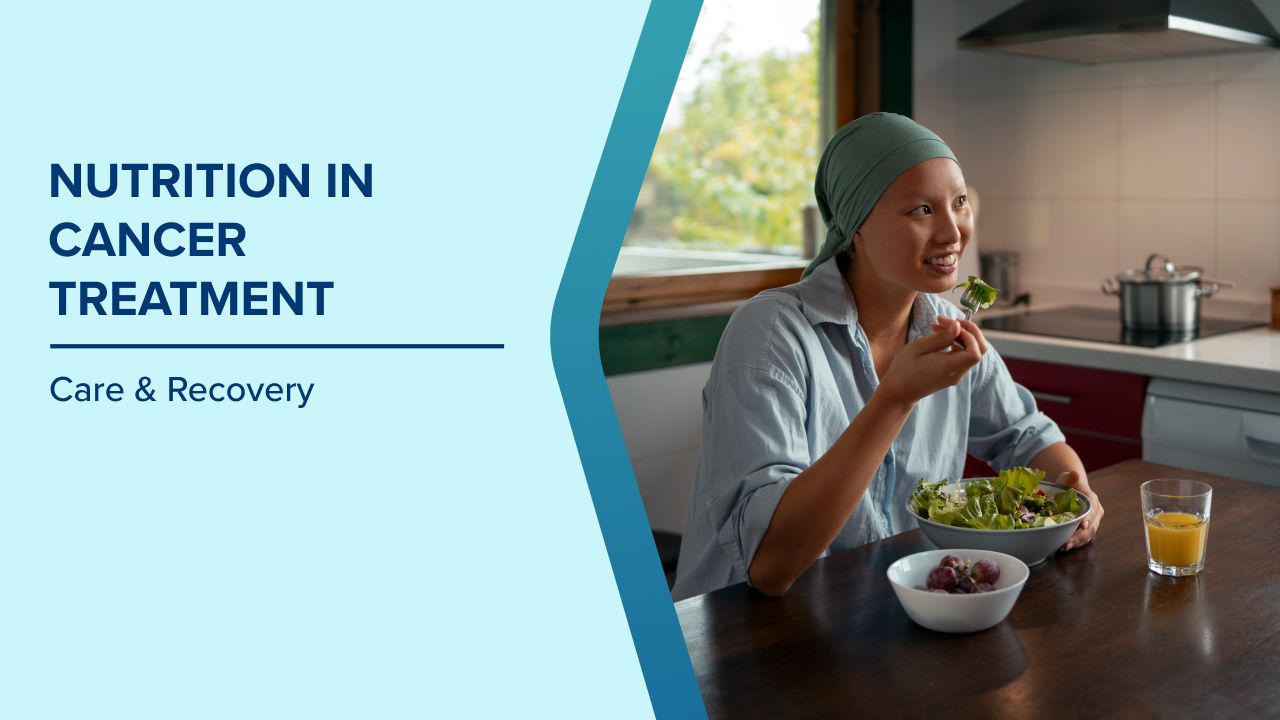
Cancer treatment places unique demands on the body. Whether a patient is undergoing surgery, chemotherapy, radiation therapy, or targeted treatments, nutrition becomes an essential part of care. Eating well during treatment is not about following strict rules or special diets. It is about supporting strength, recovery, and quality of life during a physically and emotionally challenging time.
Many patients experience changes in appetite, altered taste, digestive discomfort, and fatigue. Understanding how nutrition supports the body during treatment can help patients feel more in control and better prepared.
Why Nutrition Matters During Cancer Treatment
Cancer treatments affect not only cancer cells but also healthy cells. This can impact digestion, immunity, and energy levels. Proper nutrition helps the body cope with these effects and maintain balance.
Good nutrition during treatment can:
- Support immune function
- Help maintain strength and body weight
- Reduce treatment-related fatigue
- Aid tissue repair and healing
- Improve tolerance to treatment
Eating well does not mean eating perfectly. It means adapting food choices to the body’s changing needs.
Common Nutrition Challenges Faced During Treatment
Cancer treatment often changes how the body responds to food. These changes vary from person to person and may shift throughout treatment. Common challenges include:
- Reduced appetite
- Nausea or vomiting
- Taste and smell changes
- Mouth sores or throat discomfort
- Difficulty swallowing
- Constipation or diarrhoea
- Early fullness
These challenges can make eating feel overwhelming. Adjusting meal timing, texture, and portion size can help manage them effectively.
Maintaining Energy When Appetite Is Low
Loss of appetite is one of the most common concerns during cancer treatment. Skipping meals or eating too little can lead to weakness and delayed recovery. Helpful strategies include:
- Eating small portions more frequently
- Choosing nutrient-dense foods instead of large meals
- Eating when appetite is strongest, often earlier in the day
- Keeping easy-to-eat snacks available
Even small amounts of food consumed regularly can help maintain energy levels.
Protein Intake and Muscle Support
During treatment, the body may break down muscle faster than usual. Protein plays a vital role in preserving muscle mass and supporting healing. Protein-rich foods can help:
- Repair tissues
- Maintain strength
- Support immune defences
Soft or easily digestible protein options are often better tolerated, particularly when chewing or swallowing is difficult. The goal is consistency rather than quantity at every meal.
Managing Taste Changes and Food Aversion
Many patients notice that foods taste metallic, bitter, or unusually bland during treatment. Favourite foods may suddenly become unappealing.
Ways to cope with taste changes include:
- Trying new flavours or textures
- Using herbs or mild seasonings if tolerated
- Eating foods at room temperature
- Choosing plastic utensils if a metallic taste is present
Taste changes are often temporary, but adapting food choices can make meals more manageable.
Hydration and Fluid Balance
Staying hydrated is essential during cancer treatment, especially if nausea, diarrhoea, or fever is present. Hydration supports:
- Kidney function
- Digestion
- Temperature regulation
- Medication tolerance
Fluids do not have to come only from water. Soups, broths, smoothies, and oral fluids taken in small sips throughout the day can help meet hydration needs.
Digestive Comfort and Gut Health
Treatment can irritate the digestive system, leading to bloating, cramps, or bowel changes. Gentle food choices help reduce discomfort.
Helpful approaches include:
- Eating slowly and mindfully
- Avoiding overly greasy or spicy foods if symptoms worsen
- Choosing soft, cooked foods during digestive flare-ups
- Maintaining regular meal timing
Listening to the body’s responses helps guide daily food choices.
Nutrition During Different Treatment Phases
Nutritional needs may change at different points in treatment.
- Before treatment: The focus is on building strength and correcting any existing nutritional deficiencies.
- During active treatment: The priority shifts to maintaining weight, energy, and hydration while managing side effects.
- After treatment sessions: Nutrition supports recovery, tissue repair, and gradual return to normal eating patterns.
Flexibility is key, as needs may vary from week to week.
Emotional Relationship With Food During Treatment
Cancer treatment affects emotional well-being, and food can become a source of stress rather than comfort. Pressure to eat or fear of eating the wrong thing may increase anxiety. It is important to remember:
- There is no single perfect diet during treatment
- Some days will be easier than others
- Eating something is better than eating nothing
Allowing flexibility and reducing guilt around food choices supports both mental and physical health.
Role of Nutritional Counselling
Every patient’s needs are different. A personalised nutrition plan can help address specific challenges related to treatment type, symptoms, and overall health. Nutritional guidance can help:
- Adjust food choices based on side effects
- Prevent unwanted weight loss
- Support recovery after treatment sessions
Seeking professional advice is especially helpful when eating becomes consistently difficult.
Myths Around Special Diets During Cancer Treatment
Many patients encounter advice promoting restrictive or extreme diets during treatment. These can sometimes do more harm than good. Important reminders:
- Cutting out entire food groups may lead to deficiencies
- Detox diets are not recommended during treatment
- Supplements should not replace meals unless advised
Balanced, flexible nutrition is safer and more supportive than rigid rules.
Safe Food Practices During Treatment
Treatment can weaken immunity, increasing the risk of infection from foodborne illness. Safe practices include:
- Washing hands before food preparation
- Avoiding raw or undercooked foods when advised
- Storing food properly
- Eating freshly prepared meals when possible
Food safety is an important part of nutritional care during treatment.
Adapting Nutrition at Home and in Hospital Settings
Eating habits may change depending on where treatment is received. Planning ahead can reduce stress. Helpful steps include:
- Preparing simple meals in advance
- Keeping tolerated foods easily accessible
- Communicating food preferences to caregivers
- Asking for dietary support during hospital stays
Support from family and caregivers plays an important role in maintaining nutrition.
Long-Term Benefits of Nutritional Support During Treatment
- Better treatment tolerance
- Faster recovery
- Improved strength post-treatment
- Better quality of life
Conclusion
Nutrition during cancer treatment is about nourishment, not perfection. As the body faces the demands of treatment, food becomes a source of strength, comfort, and recovery. Understanding changing nutritional needs, adapting to side effects, and maintaining flexibility can help patients feel more supported throughout their treatment journey.
With the right guidance and a compassionate approach to eating, nutrition can become a powerful ally in navigating cancer treatment with resilience and confidence.
Frequently Asked Questions
Can nutritional needs change between treatment cycles?
Yes, appetite, digestion, and tolerance often vary between cycles, so nutrition plans may need regular adjustment.
Is weight loss always a concern during cancer treatment?
Not always, but unintended weight loss should be addressed early to prevent weakness and delayed recovery.
Are supplements necessary during treatment?
Supplements should only be taken if advised by a healthcare professional, as some may interfere with treatment.
What should patients do if eating becomes emotionally stressful?
Seeking support from caregivers, counsellors, or nutrition professionals can help reduce food-related anxiety.
Can family members help improve nutrition during treatment?
Yes, emotional support, flexible meal planning, and understanding the patient’s changing needs make a meaningful difference.
Written and Verified by:

Related Blogs


Dr. Charu Garg In Radiation Oncology , Cancer Care / Oncology , Breast Cancer
Sep 20 , 2017 | 3 min read
Blogs by Doctor

Mucormycosis in cancer patients - an emerging threat
Dr. Abhishek Gulia In Radiation Oncology
Jun 02 , 2021 | 2 min read

Most read Blogs


Related Blogs
Dr. Charu Garg In Radiation Oncology , Cancer Care / Oncology , Breast Cancer
Sep 20 , 2017 | 3 min read
Blogs by Doctor
Mucormycosis in cancer patients - an emerging threat
Dr. Abhishek Gulia In Radiation Oncology
Jun 02 , 2021 | 2 min read
Most read Blogs