 WhatsApp Us (24/7)
 +91 926 888 0303 (24/7)


To Book an Appointment
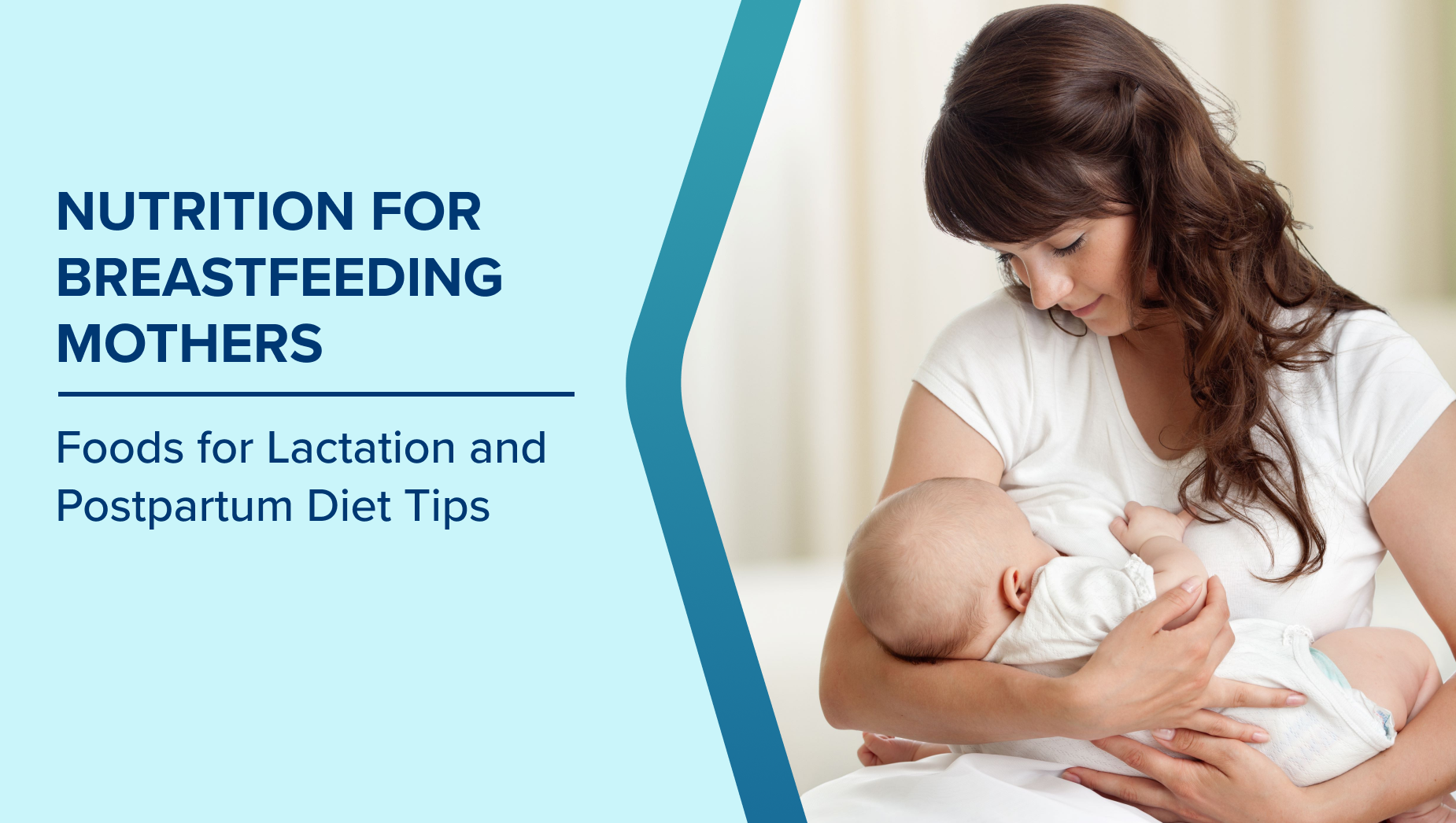
Call Us+91 926 888 0303Nutrition for Breastfeeding Mothers: Foods for Lactation and Postpartum Diet Tips
By Dr. Astha Agarwal in Obstetrics And Gynaecology
Aug 20 , 2025 | 3 min read
2

Breastfeeding is one of the most important stages of motherhood, offering your baby vital nutrients and natural immunity. While most mothers focus on the baby’s well-being, your own diet plays an equally significant role. The right postpartum diet not only helps your recovery but also supports healthy milk production, boosts energy, and keeps you feeling your best.
Why Good Nutrition Matters After Childbirth
Breastfeeding can burn hundreds of extra calories every day. Without proper nutrition, you may feel drained, face reduced milk supply, or develop deficiencies. Eating a balanced postpartum diet ensures you get the right mix of proteins, healthy fats, vitamins, and minerals for recovery and lactation.
Key Nutrients Every Breastfeeding Mother Needs
Protein for Strength and Recovery
Protein is essential for repairing tissues and maintaining muscle strength. Good options include:
- Eggs, chicken, and fish
- Lentils, chickpeas, and kidney beans
- Paneer, curd, and tofu
Tip: Add a protein source to each meal to keep your energy steady.
Healthy Fats for Baby’s Brain Development
Healthy fats, especially omega-3s, help with your baby’s brain and vision growth. Add:
- Fatty fish like salmon or sardines
- Chia seeds, flaxseeds, and walnuts
- Avocado and groundnut oil
Iron for Energy and Blood Health
Iron supports your recovery and prevents fatigue. Include:
- Leafy greens like spinach and moringa
- Lean meat and chicken liver
- Pumpkin seeds and fortified cereals
Tip: Pair iron-rich foods with vitamin C sources like lemon or guava for better absorption.
Calcium for Strong Bones
Breastfeeding draws calcium from your bones, so replenish it through:
- Milk, curd, and cheese
- Ragi, sesame seeds, and almonds
- Fortified plant-based milk
Hydration for Milk Production
Adequate fluids keep your milk supply steady. Drink 8–10 glasses of water daily and add hydrating foods like cucumber, melon, and soups.
Read More: Benefits & Types of Breastfeeding for Mother and Child
Foods That Naturally Support Lactation
Some foods, called galactagogues, are known to encourage milk production:
- Fenugreek seeds soaked overnight or added to curries
- Moringa leaves in dals or stir-fries
- Oats for a hearty breakfast
- Fennel seeds steeped in warm water
- Garlic in everyday cooking
Cultural Postpartum Foods Worth Including
Traditional cooking offers comforting, nutrient-rich meals ideal for recovery:
- Panjiri: whole wheat, ghee, dry fruits, and seeds
- Lentil soups: with turmeric and ginger for warmth
- Vegetable khichdi: for easy digestion
- Dry fruit laddoos: for energy and strength
These dishes provide warmth, digestibility, and nourishment, perfect for new mothers.
Lesser-Known Nutrition Tips
- Eat small, frequent meals to maintain steady energy.
- Keep ready-to-eat snacks like roasted chickpeas or fruit handy.
- Add fermented foods like curd or homemade pickles for gut health.
- Go easy on caffeine to avoid disturbing your baby’s sleep.
- Trust your hunger cues and avoid skipping meals.
Foods to Limit or Avoid
- High-mercury fish such as swordfish or king mackerel
- Packaged snacks high in sugar or refined oils
- Excessively spicy or gassy foods if they affect your baby
- Alcohol, as it passes into breast milk
Simple Postpartum Meal Ideas
- Breakfast: Oats porridge with banana, flaxseeds, and walnuts
- Lunch: Brown rice, dal, spinach, and curd
- Snack: Sprouted moong chaat with lemon
- Dinner: Whole wheat roti, fish curry, and cucumber salad
- Hydration: Herbal teas like fennel or ginger water
Conclusion
Your postpartum diet shapes not only your own recovery but also your baby’s nourishment. By combining balanced meals, traditional recipes, and proper hydration, you can feel energised and confident in your breastfeeding journey.
For tailored guidance, especially if you have allergies or health concerns, consult a qualified healthcare professional or nutritionist.
Frequently Asked Questions
How often should I eat while breastfeeding?
Aim for three main meals and two to three healthy snacks spaced through the day to maintain steady energy.
What are easy snack ideas for breastfeeding mothers?
Roasted makhana, fresh fruit with curd, boiled eggs, or homemade laddoos are quick, nutrient-rich options.
Which herbal teas are safe during breastfeeding?
Fennel, ginger, and chamomile teas are usually safe in moderation. Avoid strong caffeinated or certain herbs like sage if they affect milk supply.
How can I adjust my diet if my baby has food sensitivities?
Keep a food diary to track possible triggers. Consult a doctor before removing major food groups.
What are some time-saving meal prep tips?
Batch-cook dals and soups, chop vegetables in advance, and store snacks in airtight containers for quick access.
Written and Verified by:

Related Blogs

Dr. Manju Khemani In Obstetrics And Gynaecology
Oct 27 , 2020 | 3 min read

Dr. Neera Aggarwal In Obstetrics And Gynaecology , Nutrition And Dietetics
Nov 07 , 2020 | 7 min read
Most read Blogs

Related Blogs
Dr. Manju Khemani In Obstetrics And Gynaecology
Oct 27 , 2020 | 3 min read
Dr. Neera Aggarwal In Obstetrics And Gynaecology , Nutrition And Dietetics
Nov 07 , 2020 | 7 min read
Most read Blogs