 WhatsApp Us (24/7)
 +91 926 888 0303 (24/7)


To Book an Appointment
Call Us+91 926 888 0303Mouth Ulcers: Types, Causes, Treatment
By Dr. Vineet Narula in ENT(Ear Nose Throat)
Dec 10 , 2025 | 9 min read
2

Mouth ulcers are small sores that develop inside the mouth and can be quite painful, making eating, drinking, or speaking difficult. In most cases, the discomfort settles within a week or so and can be managed with simple home remedies or over-the-counter treatments. However, some ulcers can be persistent, recurring, or severe, requiring proper treatment. If you or a loved one is dealing with mouth ulcers and want to understand them better, this blog is here to help. We will cover the different types of mouth ulcers, their causes, common symptoms, treatment options, and when to seek medical help. Let’s dive in.
What are Mouth Ulcers?
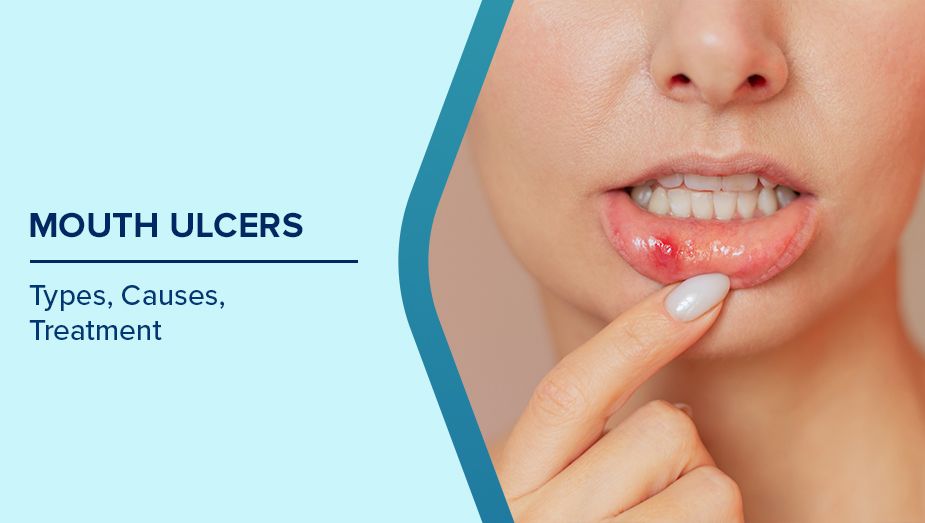
Mouth ulcers are small, painful sores that develop on the soft tissues inside the mouth, such as the inner cheeks, lips, tongue, gums, and the roof or floor of the mouth. They usually appear as round or oval lesions with a white or yellow centre and a red, inflamed border. The size of the ulcers can range from a few millimetres to larger sores that may take longer to heal.
These ulcers form when the delicate lining of the mouth gets damaged or irritated, which triggers the body’s immune response. In some cases, they may also result from an imbalance in the mouth’s natural environment, such as changes in bacteria, saliva, or pH levels. While harmless in most cases, persistent or unusually large ulcers can sometimes indicate underlying health issues, such as nutritional deficiencies, infections, or immune system problems.
Types of Mouth Ulcers
Mouth ulcers can differ in appearance, cause, and severity. The main types include:
Aphthous Ulcers (Canker Sores)
These are the most common types of mouth ulcers. They usually appear as small, round or oval sores with a white or yellow centre surrounded by a red border. Aphthous ulcers can be minor, which are small and shallow, healing within 7–14 days without leaving scars. Major aphthous ulcers are larger, deeper, and more painful, taking several weeks to heal and sometimes leaving scars.
Traumatic Ulcers
Traumatic ulcers develop when the soft tissues inside the mouth are injured or irritated. Common triggers include accidental biting of the cheek or tongue, sharp edges of teeth, or irritation from dental appliances like braces and dentures. These ulcers generally heal once the source of trauma is removed.
Infectious Ulcers
Infectious ulcers are caused by bacterial, viral, or fungal infections. Viral ulcers, such as those caused by the herpes simplex virus, often appear in clusters and can be particularly painful, affecting the lips or inside the mouth. Bacterial or fungal ulcers may occur in people with weakened immune systems or following other infections, sometimes accompanied by fever or swollen lymph nodes.
Drug-Induced Ulcers
Certain medications can lead to the development of mouth ulcers. Chemotherapy drugs, some antibiotics, and medications that affect the immune system or oral lining may trigger these sores as a side effect. These ulcers usually resolve when the medication is adjusted or discontinued under medical supervision.
Ulcers Linked to Medical Conditions
Persistent or recurrent ulcers can sometimes signal underlying health issues. Conditions such as Crohn’s disease, ulcerative colitis, or Behçet’s disease are known to cause chronic mouth ulcers. Nutritional deficiencies, particularly of iron, vitamin B12, or folate, can also lead to recurring sores. Recognising these patterns is important for proper treatment and long-term management.
What Causes Mouth Ulcers?
Mouth ulcers can develop due to a variety of factors, ranging from minor irritation to underlying health conditions.
1. Physical Injury or Trauma
Damage to the delicate lining of the mouth is a common trigger. Biting the cheek or tongue accidentally, brushing too hard, or irritation from dental appliances like braces, dentures, or sharp teeth can all lead to ulcer formation.
2. Stress and Hormonal Changes
Emotional stress and hormonal fluctuations can weaken the body’s immune response, making the mouth lining more susceptible to ulcers. Many people notice outbreaks during periods of high stress or hormonal changes, such as menstruation.
3. Nutritional Deficiencies
Deficiencies in essential nutrients like iron, vitamin B12, folate, and zinc can contribute to the development of mouth ulcers. A lack of these nutrients affects the health of the mouth lining and can make it more prone to sores.
4. Food and Dietary Triggers
Certain foods, especially acidic, spicy, or rough-textured items, can irritate the mouth lining and trigger ulcers in susceptible individuals. Citrus fruits, tomatoes, nuts, and very hot or spicy dishes are common culprits.
5. Medical Conditions
Chronic or recurring mouth ulcers can sometimes indicate underlying medical conditions. Autoimmune disorders such as Behçet’s disease, gastrointestinal issues like Crohn’s disease, and other systemic illnesses can all be associated with frequent ulcers.
6. Medication Side Effects
Some medications, including certain painkillers, antibiotics, and chemotherapy drugs, may cause mouth ulcers as a side effect. These ulcers often appear while taking the medication and improve once the treatment is adjusted or stopped under medical guidance.
What are the Symptoms Of A Mouth Ulcer?
Mouth ulcers can vary in size, number, and severity, but several common symptoms help identify them:
- Pain and Burning Sensation: One of the earliest and most noticeable symptoms is pain or a burning feeling at the site of the ulcer. This discomfort can range from mild irritation to sharp or throbbing pain. Eating, drinking, speaking, or brushing teeth can often worsen the sensation.
- Visible Sores: Mouth ulcers typically appear as round or oval sores with a white or yellowish centre and a red, inflamed border. Minor ulcers are small and shallow, often healing within a week or two, while major or persistent ulcers can be larger, deeper, and more painful.
- Redness and Swelling Around the Ulcer: The tissue surrounding the ulcer often becomes red, inflamed, and tender to the touch, which may make the sore more noticeable and sensitive.
- Difficulty in Eating, Drinking, or Speaking: Pain from the ulcer can make basic oral activities uncomfortable. Acidic, spicy, salty, or rough-textured foods can aggravate the discomfort further, sometimes causing people to avoid certain foods temporarily.
- Other Associated Symptoms: In some cases, mouth ulcers may be accompanied by mild fever, swollen lymph nodes, or a general feeling of malaise. These symptoms are more common when ulcers result from infections or are linked to underlying systemic conditions.
How Can Mouth Ulcers Be Treated?
Many ulcers heal on their own with simple home remedies, but for persistent ones, medical care can reduce pain, speed up recovery, and help prevent recurrence.
Home Remedies
Mild mouth ulcers can often be managed at home using simple remedies:
- Saltwater Rinse: Rinsing the mouth with warm saltwater several times a day can reduce inflammation, cleanse the sore, and promote faster healing.
- Honey Application: Applying honey directly to the ulcer can soothe pain, provide antibacterial benefits, and form a protective layer over the sore.
- Aloe Vera Gel: Aloe vera has natural healing and anti-inflammatory properties that help reduce discomfort and support tissue repair.
- Coconut Oil: Applying coconut oil can help protect the ulcer from irritation and reduce inflammation.
- Avoid Irritants: Steering clear of acidic, spicy, salty, or rough-textured foods prevents further pain and allows the ulcer to heal naturally.
Over-the-Counter Medications
Topical gels, mouth rinses, or pastes available over the counter can relieve pain and protect the ulcer from further irritation. Many contain mild antiseptics or anaesthetic agents that temporarily numb the sore, making eating, drinking, and speaking more comfortable.
Prescription Treatments
Persistent, severe, or recurring ulcers may require prescription treatments from a doctor or dentist. These may include corticosteroid ointments, medicated mouth rinses, or systemic medications that reduce inflammation and promote faster healing. In certain cases, immunosuppressive medications may be recommended if the ulcers are linked to autoimmune conditions.
When Should You See a Doctor for Mouth Ulcers?
Most mouth ulcers heal on their own, but medical attention becomes important in certain situations to ensure proper care and prevent complications:
- Ulcers Lasting More Than Two Weeks: If a sore does not show signs of healing within two weeks, it could indicate an underlying health issue or infection. A professional evaluation helps determine the cause and ensures timely treatment.
- Severe Pain or Multiple Ulcers: Ulcers that are extremely painful or appear in clusters can significantly interfere with eating, drinking, or speaking. Stronger topical or systemic treatments may be needed to manage discomfort and promote healing.
- Recurring Ulcers: Frequent or repeated ulcers may be linked to nutritional deficiencies, autoimmune disorders, or gastrointestinal conditions. Identifying the root cause is essential for long-term management and prevention of future sores.
- Signs of Infection or Systemic Illness: Mouth ulcers accompanied by fever, swollen lymph nodes, fatigue, or a general feeling of being unwell may indicate an infection or systemic condition. Prompt medical attention is necessary to prevent further complications.
- Unusual Appearance or Location: Large, deep, or atypically located ulcers, especially if persistent, should be examined by a doctor or dentist. In rare cases, persistent or unusual ulcers could signal more serious conditions, including oral cancer, making early diagnosis crucial.
Consult Today
Most ulcers heal on their own, and simple home care or over-the-counter remedies often bring relief. However, persistent, severe, or recurring sores often signal something about your overall oral or digestive health that’s worth paying attention to. If you’ve been dealing with persistent or recurring sores, seeing a dentist or oral medicine specialist at Max Hospital can make a real difference. They can pinpoint the exact cause, whether it’s related to nutrition, stress, or an underlying condition, and create a plan that targets the problem rather than just the symptoms.
Frequently Asked Questions
Can mouth ulcers affect my sense of taste?
Yes, ulcers located on the tongue or roof of the mouth can temporarily alter taste or make certain foods taste unpleasant. While the effect is usually short-term, it can make eating less enjoyable until the ulcer heals.
Are children more prone to mouth ulcers than adults?
Children often experience minor mouth ulcers, especially during periods of rapid growth or after minor injuries like accidental cheek bites. Their immune systems and oral tissues are still developing, which can make them more susceptible to recurring sores.
Can dehydration make ulcers worse?
Yes, insufficient hydration can dry out the mouth, making ulcers more painful and slowing the healing process. Staying well-hydrated helps maintain moisture in the mouth and supports tissue repair.
Do mouth ulcers affect dental treatments?
Painful ulcers can make dental procedures uncomfortable, particularly if the ulcer is near the area being treated. Dentists may adjust techniques or take extra precautions to minimise irritation during check-ups or treatments.
Is there a seasonal pattern to mouth ulcers?
Some people notice ulcers more frequently during seasonal changes. Factors such as changes in diet, stress levels, or vitamin intake during different seasons may trigger outbreaks in susceptible individuals.
Can brushing teeth worsen ulcers?
Brushing too aggressively or using a hard-bristled toothbrush can irritate existing ulcers. Using a soft-bristled brush, gentle technique, and non-irritating toothpaste helps protect the sore and prevent further discomfort.
Do mouth ulcers affect overall immunity?
While ulcers themselves do not reduce immunity, frequent or severe outbreaks can indicate a weakened immune response or an underlying condition affecting the immune system. Monitoring recurring ulcers can provide insight into overall health.
Are some people genetically more likely to get mouth ulcers?
Yes, a family history of recurrent mouth ulcers increases the likelihood of developing them. Genetics may influence immune response and susceptibility to triggers like stress or minor injuries.
Can lifestyle habits like smoking or alcohol affect mouth ulcers?
Smoking and excessive alcohol consumption can irritate the mouth lining, making existing ulcers worse and delaying healing. Avoiding these habits can support faster recovery and reduce the risk of recurrence.
How quickly should severe ulcers heal with treatment?
With appropriate care, severe ulcers typically start improving within a few days. Larger or persistent ulcers may take several weeks to fully heal, and ongoing discomfort should be evaluated by a specialist to rule out underlying causes.
Can mouth ulcers indicate deficiencies I might not notice?
Yes, recurrent ulcers can sometimes point to subtle deficiencies in iron, vitamin B12, folate, or zinc, even if there are no other obvious symptoms. A healthcare professional can test for these and recommend supplements if needed.
Can certain medications cause ulcers without me realising?
Some medications, like certain painkillers, antibiotics, or treatments affecting the immune system, can trigger mouth ulcers as a side effect. If ulcers appear after starting a new medication, discussing it with a doctor can help determine if adjustments are needed.
Written and Verified by:

Related Blogs


Dr. Ravinder Gera In ENT(Ear Nose Throat)
Nov 08 , 2020 | 2 min read
Blogs by Doctor

Laser Revolution in ENT Surgeries: Precision, Benefits & Advancements
Feb 19 , 2024 | 2 min read
Most read Blogs


Related Blogs
Dr. Ravinder Gera In ENT(Ear Nose Throat)
Nov 08 , 2020 | 2 min read
Blogs by Doctor
Laser Revolution in ENT Surgeries: Precision, Benefits & Advancements
Feb 19 , 2024 | 2 min read
Most read Blogs