 WhatsApp Us (24/7)
 +91 926 888 0303 (24/7)


To Book an Appointment
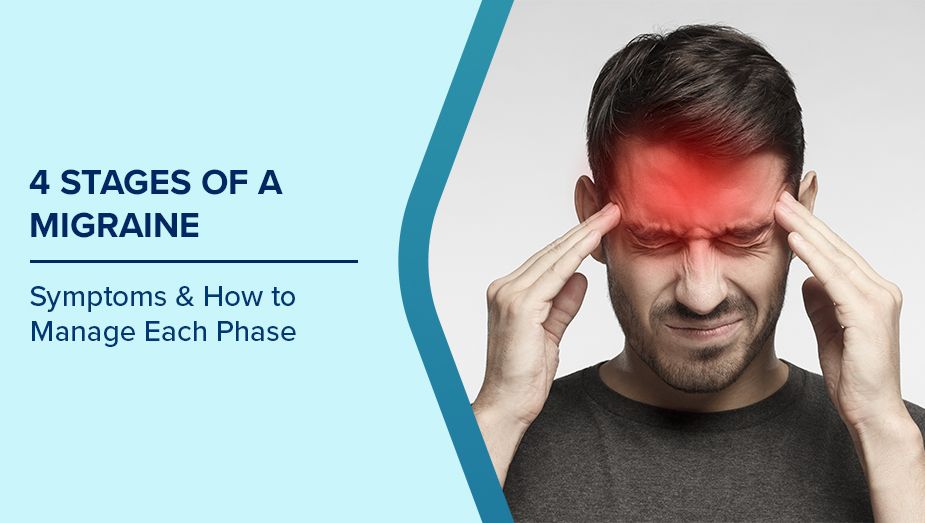
Call Us+91 926 888 03034 Stages of a Migraine: Symptoms & How to Manage Each Phase
By Dr. Rajneesh Kummar in Neurosciences , Neurology
Aug 04 , 2025 | 2 min read

Migraines are more than just headaches. They can affect your mood, focus, senses, and energy—sometimes days before the pain starts and even after it ends. Understanding the stages of a migraine can help you manage symptoms and prepare.
Migraine Stages Explained: The 4 Phases You Should Know
Not everyone experiences all four stages, and symptoms may overlap. Still, recognizing each can help in response and self-care.
The Prodrome Stage
This phase can start hours—or even days—before the headache begins. It serves as an early warning.
Common signs include:
- Unexplained fatigue or yawning
- Cravings (usually sweet or salty)
- Neck or shoulder stiffness
- Irritability or sudden mood changes
- Light or sound sensitivity
- Trouble concentrating or reading
Rest, hydrate, and take preventive medication if advised during this time.
The Aura Stage
Not all migraine sufferers experience auras, but for those who do, they may begin 20–60 minutes before the headache.
Typical aura symptoms:
- Flashing lights, zigzags, or blurred vision
- Tingling in the face, arms, or hands
- Difficulty speaking or finding words
- Numbness on one side
Auras may not always be followed by a headache but often are. Calm breathing in a dark space can help.
The Attack Stage
This is the most intense and painful stage, often involving one side of the head but sometimes both.
During the migraine attack:
- Throbbing or pulsing head pain worsened by movement
- Nausea or vomiting
- Heightened sensitivity to light, sound, or smell
- Dizziness or blurred vision
How long does it last?
Anywhere from 4 to 72 hours. Lying still in a dark room can help. Some may benefit from over-the-counter meds; others need prescription options.
The Postdrome Stage
After the attack fades, symptoms like exhaustion or mental “fog” may linger for up to 48 hours.
Common postdrome symptoms:
- Fatigue or brain fog
- Mood swings
- Light head pressure or lingering neck pain
- Ongoing sensitivity to light or smells
Rest, hydration, and light meals are key here. Consider journaling your symptoms to identify patterns.
Managing Migraine Symptoms with Everyday Tips
Preventing migraines isn’t always possible, but these steps may help reduce frequency and severity:
- Stick to consistent sleep and meal schedules
- Use blue light filters or limit screen time
- Stay hydrated and avoid food triggers
- Practice stress relief: yoga, mindfulness, deep breathing
- Track symptoms with a migraine diary or app
Conclusion
Migraines are complex neurological events—not just headaches. Recognizing the 4 stages (prodrome, aura, attack, postdrome) empowers you to respond early, treat better, and recover faster.
If migraines are worsening or becoming frequent, speak with a neurologist or headache specialist.
Your brain matters. Listen to it.
Frequently Asked Questions
Can migraines happen without aura?
Yes. Most migraines occur without aura (called common migraines). You may still experience prodrome and postdrome phases.
Are migraines linked to hormone changes?
Yes. Many women experience migraines during menstruation, menopause, or pregnancy due to estrogen fluctuations. These may require specialized treatment plans.
How do I track my migraine triggers?
Use a diary or app to log sleep, food, mood, weather, and screen time. Over time, patterns may reveal common triggers.
Are migraines genetic?
Yes. If migraines run in your family, your risk is higher. However, lifestyle still plays a significant role in their occurrence.
Does the weather affect migraines?
Yes. Changes in temperature, humidity, or pressure can trigger migraines. Tracking weather patterns may help with prevention.
Written and Verified by:

Related Blogs

Dr. Chandril Chugh In Neurosciences , Interventional Neurology
Nov 08 , 2020 | 1 min read

Dr. Chandril Chugh In Neurosciences , Interventional Neurology
Nov 08 , 2020 | 2 min read
Blogs by Doctor

What is Stroke: Types, Symptoms & Risk Factors
Dr. Rajneesh Kummar In Neurosciences , Neurology
Nov 21 , 2024 | 6 min read

What is Headaches: Causes, Preventions & How to Find Relief
Dr. Rajneesh Kummar In Neurosciences , Neurology
Jan 10 , 2025 | 4 min read
Most read Blogs


Related Blogs
Dr. Chandril Chugh In Neurosciences , Interventional Neurology
Nov 08 , 2020 | 1 min read
Dr. Chandril Chugh In Neurosciences , Interventional Neurology
Nov 08 , 2020 | 2 min read
Blogs by Doctor
What is Stroke: Types, Symptoms & Risk Factors
Dr. Rajneesh Kummar In Neurosciences , Neurology
Nov 21 , 2024 | 6 min read
What is Headaches: Causes, Preventions & How to Find Relief
Dr. Rajneesh Kummar In Neurosciences , Neurology
Jan 10 , 2025 | 4 min read
Most read Blogs