 WhatsApp Us (24/7)
 +91 926 888 0303 (24/7)


To Book an Appointment
Call Us+91 926 888 0303All About Migraine Headaches: From Causes to Treatment Options
By Dr. Mukesh Kumar in Neurosciences
Jul 04 , 2025 | 10 min read

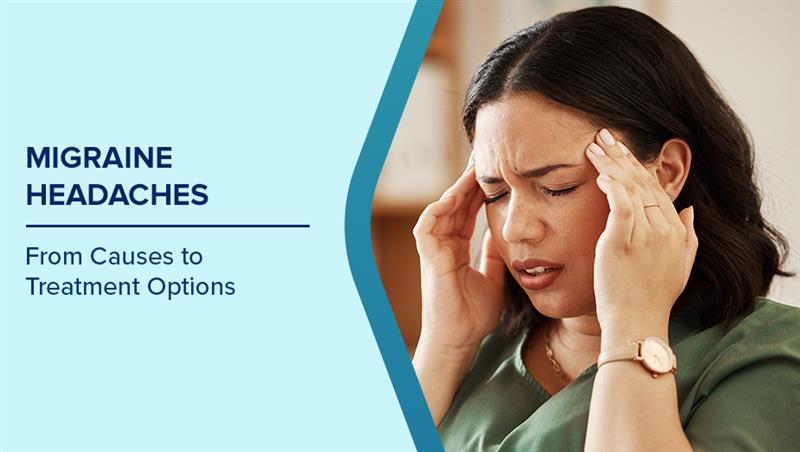
Migraine headaches are marked by severe headaches and throbbing or pulsing in nature. The pain may build gradually, worsening with physical activity, exposure to light, or loud sounds. This phase of migraine can last for hours to days and make it hard to focus or continue with daily tasks. The good news is that migraine headaches can often be managed and even prevented by recognising common triggers. This blog explores the common causes of migraine and available treatment options. But first, let’s start with understanding how a migraine headache presents itself and how it differs from a normal headache.
What does a Migraine Headache Feel Like?
The pain from a migraine headache often starts as a mild pain with evolution to a severe, disabling headache. It may settle behind the eyes, around the temples, or spread across the head. Many describe it as a heavy, pressing force or a pounding rhythm that comes in waves. The pain may shift in intensity, but usually remains steady once it begins. The head may also feel sore or tender to touch, and simple actions like bending forward can make the discomfort worse. This stage can leave a sense of heaviness or mental fog even after the pain eases.
How is a Migraine Headache Different From a Normal Headache?
A migraine headache is typically more severe than a normal headache and often includes other symptoms such as nausea, sensitivity to light or sound, change in smell or taste and some cases, dizziness or visual changes. The pain is commonly one-sided, but it may be holocranial and may worsen with movement or noise. In contrast, a tension headache usually causes a mild to moderate, steady pressure on both sides of the head and does not involve sensory symptoms. Migraine episodes also tend to last longer and interfere more with daily activities.
Possible Triggers of a Migraine Headache
Migraine headaches are often set off by specific triggers- commonly fasting, sun exposure, travel, sleep deprivation, strong smell or perfume and menstruation, though these can vary widely from person to person. In some cases, a single factor may be enough to start an episode, while in others, several triggers may build up over time.
Sleep Disruption
An irregular sleep schedule is one of the most common triggers. Both sleep deprivation and oversleeping may lead to a migraine. Poor-quality sleep, frequent night-time waking, or a sudden change in bedtime can also contribute to the onset of symptoms.
Skipping Meals and Dehydration
Going too long without eating can cause a drop in blood sugar, which may trigger a headache. Missing meals or not drinking enough water throughout the day increases this risk. This is especially true during busy or stressful periods or after physical exertion.
Stress and Emotional Changes
Mental and emotional stress can affect hormone levels and nervous system activity, both of which may trigger a migraine. Tension at work, emotional strain, or anxiety may be followed by an episode. In some cases, a headache may come on as the body relaxes after a stressful period.
Food and Drink Triggers
Some foods and drinks are known to trigger migraines in certain individuals. Common examples include aged cheese, chocolate, processed meats, coffee, and red wine. Additives such as MSG, nitrates, and artificial sweeteners may also contribute. Keeping track of food intake can help identify these links.
Environmental Factors
Strong smells, bright lights, loud sounds, or flickering screens can overstimulate the senses and lead to a migraine. These triggers are often present in crowded or busy places like shopping centres or public transport, and may make symptoms worse once an episode begins.
Hormonal Changes
Hormonal shifts around menstruation, pregnancy, or menopause can influence migraine frequency and intensity. Many experience migraines just before or during their period due to a drop in oestrogen levels. Hormonal medications such as birth control pills may also have an effect.
Weather Changes
Sudden shifts in temperature, humidity, or air pressure may act as physical stressors that bring on a migraine. Storms, strong winds, or heatwaves are common weather-related triggers. These changes can be harder to control but may still be tracked to help with planning.
What Other Symptoms May Accompany a Migraine Headache?
A migraine headache is often more than just head pain. Along with the throbbing or pressing discomfort, several other symptoms may appear before or during the headache phase. These signs vary from person to person and may change with each episode.
- Nausea or vomiting: Feeling sick to the stomach is one of the most common symptoms that occur with a migraine headache. In some cases, this may lead to actual vomiting, especially if the pain becomes intense.
- Sensitivity to light and sound: Bright lights or loud noises can make the pain feel worse. Many people prefer to stay in a dark, quiet room during an attack to reduce discomfort.
- Blurred vision or difficulty focusing: During a migraine headache, vision may feel slightly blurred, or it may become harder to focus clearly. This is not the same as aura, which happens in a different phase and includes visual patterns.
- Neck stiffness or discomfort: The neck may feel sore, tight, or slightly stiff during the headache. This can make it uncomfortable to move the head or find a good resting position.
- Mood changes or feeling low on energy: Some people feel unusually tired, irritable, or mentally foggy during the headache phase. These changes can continue even after the pain starts to ease.
- Dizziness or a feeling of imbalance: In some cases, a migraine headache may cause light-headedness or a sense of unsteadiness, especially when standing or walking.
How are Migraine Headaches Managed?
Managing migraine headaches often involves a mix of approaches aimed at relieving current symptoms and reducing how often attacks occur. These include:
Pain Relief Medicines
Over-the-counter painkillers such as paracetamol or non-steroidal anti-inflammatory drugs may help if taken early in the attack. For more severe cases, a doctor may prescribe medicines specifically meant for migraine, which work best when used at the first sign of pain.
Anti-Nausea Medicines
Some people experience nausea or vomiting during a migraine episode. In such cases, a doctor may recommend medicines to help control these symptoms, which may also improve the ability to tolerate pain medicines.
Cold Compress
Using a cold pack or a cloth soaked in cold water and placed on the forehead or the back of the neck may help dull the pain. The cold temperature can reduce blood flow to the area, which may ease throbbing or pulsing sensations. Some people also find relief by alternating cold and warm compresses to relax surrounding muscles.
Quiet, Dark Room for Resting
Bright light and loud sounds often make migraine pain worse. Resting in a dimly lit or completely dark room during an attack may help calm the senses and reduce discomfort. Lying down with eyes closed, limiting movement, and reducing external stimulation can shorten the duration of the headache or make it more bearable.
Consistent Sleep Routine
Irregular sleep, either too much or too little, can increase the chances of a migraine. Going to bed and waking up at the same time every day supports the body’s natural cycle and may reduce attacks. Good sleep hygiene, such as avoiding screens before bedtime and creating a quiet sleeping space, may further improve sleep quality.
Proper Hydration
Even mild dehydration can trigger a migraine headache in some individuals. Drinking enough water throughout the day, especially during hot weather or after physical activity, helps maintain fluid balance. Carrying a water bottle and sipping regularly may prevent headaches from starting or becoming worse.
Regular, Balanced Meals
Long gaps between meals can lead to low blood sugar, which may act as a migraine trigger. Eating on time each day and choosing meals that include complex carbohydrates, protein, and healthy fats can help keep energy levels steady. Avoiding processed foods or those previously linked to headaches is also advised.
Limited Caffeine Intake
Caffeine can have mixed effects on migraines. A small amount, such as a cup of tea or coffee, may help relieve early symptoms for some people. However, consuming large amounts or using caffeine regularly can increase the risk of rebound headaches. It’s best to use caffeine only occasionally and in small amounts.
Stress Management
Stress is one of the most common migraine triggers. Practising relaxation techniques such as deep breathing, meditation, or gentle yoga may help manage stress levels. Short breaks during the day, listening to calming music, or spending time in nature may also ease mental tension.
Essential Oils
Some essential oils, such as peppermint or lavender, may help reduce migraine-related discomfort when applied to the temples or inhaled. Peppermint oil may help ease tension, while lavender is known for its calming effect. These oils should be diluted properly before use to avoid skin irritation.
When Should You See a Doctor?
Migraine headaches can often be managed at home or with routine treatment, but some signs suggest the need for medical attention. A doctor can help confirm the diagnosis, rule out other conditions, and adjust treatment based on how the headaches respond over time.
It is important to seek medical advice in the following situations:
- Headaches Occur More Often: If migraine headaches become more frequent or begin to interfere with daily life, medical review is advised. A change in pattern may point to a need for preventive treatment or further tests.
- Pain Becomes Harder to Manage: When pain does not respond to usual medicines or continues to worsen, a doctor may explore other options or adjust the current treatment plan.
- Symptoms Change Suddenly: New symptoms such as weakness, confusion, slurred speech, or difficulty seeing clearly may suggest something other than a migraine. These signs require urgent medical evaluation.
- Headache Comes On Suddenly and Severely: A very sudden, intense headache that feels unlike previous attacks could signal a different medical issue and should not be ignored.
- Other Health Conditions Are Present: People with heart problems, high blood pressure, or other chronic conditions may need special guidance on safe medicine use and headache control.
- Headaches Follow a Head Injury: Pain that begins after a fall or injury to the head may not be due to migraine and should be checked by a doctor.
- Regular Use of Painkillers Increases: If pain relief medicines are needed on most days of the week, there may be a risk of rebound headaches. A doctor can help manage this and suggest alternative strategies.
Consult Today
Migraine headaches can be difficult to manage, especially when they occur often or do not improve with home remedies. In such cases, medical support becomes important. Neurologists at Max Hospital can assess the condition and suggest the right treatment. If migraine pain is getting in the way of routine activities, it is best to seek timely medical advice.
Frequently Asked Questions
1. Does physical activity help or worsen migraine headaches?
During a migraine attack, movement often makes the pain worse, so rest is usually better. However, regular light exercise between attacks, such as walking or stretching, may help reduce how often migraines occur over time.
2. Do migraines always affect one side of the head?
No, although one-sided pain is common, migraines can also affect both sides or even move from one side to the other during an attack. The pain can also shift in intensity or location with each episode.
3. How long does a migraine headache last?
The length of a migraine varies. Some attacks last only a few hours, while others may continue for up to three days. Early treatment often helps shorten the duration and reduce the severity of symptoms.
4. Is it normal to feel tired or confused after a migraine attack?
Yes, many people experience what is known as a postdrome phase after the headache ends. This can include tiredness, trouble concentrating, mild confusion, or feeling mentally foggy. It may last for a few hours or up to a day.
5. Do migraine headaches get worse over time?
Not always, but in some cases, migraine attacks can become more frequent or intense if not treated early or if triggers are not well controlled. Keeping track of symptoms and seeking medical advice early can help manage this.
6. Can using too many painkillers make migraine headaches worse?
Yes, regular use of pain relief medicines, especially more than a few days a week, may lead to rebound headaches. This can make migraines harder to treat. A doctor can help adjust the treatment to avoid this cycle.
7. Are there early signs before the head pain starts?
Yes, some people go through a ‘prodrome’ stage where they notice changes such as mood swings, yawning, neck stiffness, or cravings a day or two before the headache phase. Not everyone experiences these early signs, but they can be helpful in anticipating an attack.
8. Is it normal to feel drained or foggy after a migraine headache ends?
Yes, it is common to feel tired, mentally foggy, or slightly off balance after the main headache phase passes. This feeling may last for several hours or longer and is part of the recovery process.
9. Can frequent migraine headaches be a sign of something serious?
Migraine headaches are usually not linked to life-threatening conditions. However, if they become more frequent, intense, or feel different from earlier episodes, a medical review is important to rule out other causes and adjust treatment.
Written and Verified by:

Related Blogs

Dr. Chandril Chugh In Neurosciences , Interventional Neurology
Nov 08 , 2020 | 1 min read

Dr. Chandril Chugh In Neurosciences , Interventional Neurology
Nov 08 , 2020 | 2 min read
Blogs by Doctor

7 Wonderful Exercises for Those Suffering From Epilepsy
Dr. Mukesh Kumar In Neurosciences
Feb 12 , 2018 | 2 min read

Most read Blogs


Related Blogs
Dr. Chandril Chugh In Neurosciences , Interventional Neurology
Nov 08 , 2020 | 1 min read
Dr. Chandril Chugh In Neurosciences , Interventional Neurology
Nov 08 , 2020 | 2 min read
Blogs by Doctor
7 Wonderful Exercises for Those Suffering From Epilepsy
Dr. Mukesh Kumar In Neurosciences
Feb 12 , 2018 | 2 min read
Most read Blogs