 WhatsApp Us (24/7)
 +91 926 888 0303 (24/7)


To Book an Appointment
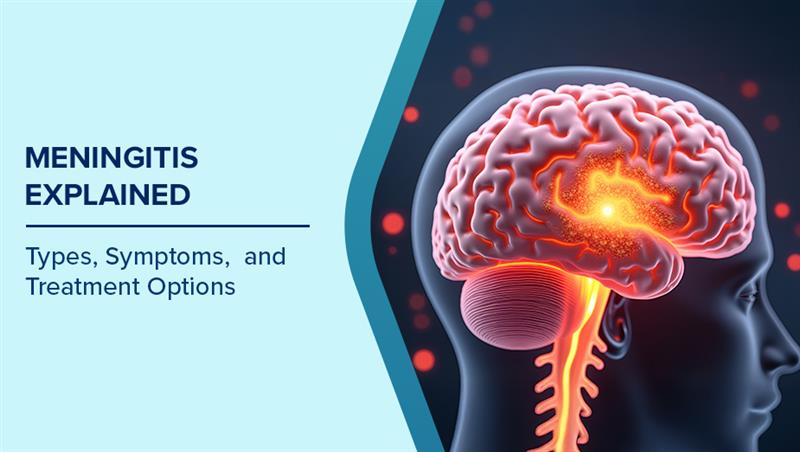
Call Us+91 926 888 0303Meningitis Explained: Types, Symptoms, and Treatment Options
By Dr. Nitin Dadarao Wadaskar in Internal Medicine
Nov 25 , 2025 | 9 min read
1

The brain and spinal cord are protected by thin layers of tissue known as meninges, which act as a barrier against infections and injury. When these layers become inflamed due to reasons such as an infection, the condition is called meningitis. The issue usually starts with symptoms such as fever, headache, vomitings and neck stiffness, which are often mistaken for signs of other common illnesses, making the disorder difficult to recognise at an early stage. As delayed treatment can lead to serious complications, it’s important to understand how it starts and the symptoms to look out for. In this blog, we will explore what is meningitis, the signs to be aware of, and how it can be treated. Let’s start with the basics.
What is Meningitis?
Meningitis is a condition where the protective layers covering the brain and spinal cord, called the meninges, are affected. This usually happens due to an infection, most commonly caused by viruses or bacteria. In rare cases, fungi or other medical conditions can also trigger it. These injections can affect the brain's function and, if not treated in time, may lead to serious health problems. Meningitis can affect people of all ages but tends to be more common in infants, young children, and those with weaker immunity. The condition may develop suddenly and progress quickly, which makes early recognition and treatment important.
What are the Types of Meningitis?
Meningitis can be classified into different types based on what causes each type varies in how it develops, how serious it is, and how it needs to be treated. The main types include:
Bacterial Meningitis
This is one of the most serious forms and needs urgent medical attention. It usually begins when bacteria enter the brain via blood stream or sinuses, it is common after a brain injury, brain surgery . Bacterial meningitis can develop quickly and may cause life-threatening complications if not treated in time.
Viral Meningitis
This is the most common type and usually less severe than bacterial meningitis. It often develops after common viral illnesses such as colds or stomach infections.
TB Meningitis
Tuberculosis is a rampart infection in india. At times the injections spread to the brain and caused severe meningitis which need urgent attention.
Fungal Meningitis
Fungal meningitis is rare and typically affects people with weakened immune systems. It is caused by fungi that enter the body, often through the lungs, and then spread to the brain. This type usually develops slowly and is not spread from one person to another. Early treatment is important to avoid long-term effects.
Parasitic Meningitis
This type is very rare and often caused by parasites found in warm freshwater, such as lakes or ponds. It usually enters the body through the nose and affects the brain directly. Though extremely uncommon, this form is often severe and needs immediate care.
Non-Infectious Meningitis
This type is not caused by germs. Instead, it may result from conditions like autoimmune diseases, certain medications, cancer, or head injuries. The symptoms can be similar to other forms, but the treatment depends on the underlying cause rather than an infection.
Who is at Risk of Developing Meningitis?
Certain groups of people are more likely to develop meningitis due to their age, health condition, or environment. These include:
- Infants and young children: Their immune systems are still developing, making it harder for them to fight off infections.
- Older adults: Ageing reduces the body’s ability to respond to infections, increasing the risk of both illness and complications.
- People with weakened immunity: Individuals with chronic illnesses, those undergoing chemotherapy, or those taking immunosuppressive medicines face a higher risk.
- People living in close settings: Those in places such as hostels, military camps, or childcare centres are more exposed to infections that can spread easily.
- Travellers to high-risk areas: Visiting regions where meningitis is more common, such as parts of sub-Saharan Africa, increases the chance of infection, especially without proper vaccination.
- People who are unvaccinated: Missing routine vaccines can increase the risk of meningitis caused by certain bacteria, especially in young children and high-risk individuals.
What are the Common Symptoms of Meningitis?
Meningitis can develop quickly, and the symptoms may vary depending on the person’s age and the type of infection. In the early stages, the signs may resemble common illnesses, which makes it harder to recognise. However, there are certain symptoms that often appear and should not be ignored.
In Adults
- High fever that starts suddenly
- Severe headache that does not improve
- Stiff neck or pain when moving the neck
- Nausea or vomiting
- Sensitivity to light (photophobia)
- Confusion, difficulty concentrating, or drowsiness
- Seizures in some cases
In Infants and Young Children
- High-pitched crying or constant irritability
- Refusal to feed or difficulty feeding
- Bulging soft spot on the top of the head (fontanelle)
- Stiffness in the body or floppy limbs
- Seizures or unusual body movements
- Unusual sleepiness or difficulty waking
- Pale or blotchy skin
How Is Meningitis Diagnosed?
Diagnosing meningitis early is important, as the condition can become serious in a short time. Since its symptoms often look like other illnesses, doctors rely on a combination of physical checks and tests to confirm the condition and find out what is causing it.
Physical Examination
A doctor first looks for common signs of meningitis, such as fever, stiff neck, confusion, and sensitivity to light. In babies, signs like a bulging soft spot on the head or poor feeding may also be noted. These checks help doctors determine the next appropriate tests.
MRI Brain
It is essential to look for structural abnormalities in brain or to look for certain specific features on MRI to diagnose meningitis.
Lumbar Puncture (Spinal Tap) - CSF Examination
This is the key test used to diagnose meningitis. A small amount of fluid is taken from the lower back and tested for signs of infection or inflammation. The results can show if the cause is bacterial, viral, or something else, which helps guide treatment.
Blood Tests
Blood samples are checked for signs of infection. These tests may also help identify the exact bacteria or virus causing the illness.
Other Laboratory Tests
In some cases, further tests are needed to check for less common causes, such as cancer, certain medicines, or autoimmune conditions that may lead to meningitis.
What are the Treatment Options for Meningitis?
Meningitis treatment depends on the underlying cause. Some types require urgent hospital care, while others may improve with rest and symptom relief at home.
Treatment for Bacterial Meningitis
This type is considered a medical emergency. Treatment usually begins in the hospital as soon as meningitis is suspected, often before test results are confirmed. Antibiotics are given through a vein to stop the infection from spreading. In many cases, doctors also use corticosteroids to reduce swelling in the brain and lower the chances of hearing loss or other complications. Supportive care, such as fluids, oxygen, and medicines to manage fever, seizures, or pain, may also be needed. The outcome depends heavily on how quickly treatment begins.
Treatment for Viral Meningitis
Viral meningitis is usually less severe than the bacterial form. Treatment focuses on easing symptoms. Doctors may recommend plenty of fluids, rest, and medicines to reduce fever or discomfort. In some cases, especially when meningitis is caused by viruses like herpes, antiviral medicines may be given. Most people start to feel better within a week or two, although some may feel weak or tired for a short time after recovery.
Treatment for Fungal Meningitis
Fungal meningitis is rare and usually affects people with weak immune systems. Treatment involves antifungal medicines, often given through a vein over a period of several weeks. The length and type of treatment depend on the fungus involved and the person’s overall health. Since this form can develop slowly, early diagnosis plays a key role in preventing long-term damage.
Treatment for Parasitic and Non-Infectious Meningitis
Parasitic meningitis is extremely rare and often difficult to treat. Supportive care is usually the main approach, and medicines may be used in some cases, although they are not always effective. Non-infectious meningitis, which can result from autoimmune conditions, cancer, or certain medications, is managed by addressing the underlying cause. This may involve stopping the medicine that triggered the inflammation, using steroids to reduce swelling, or treating cancer if it has spread to the meninges.
Can Meningitis Be Prevented?
In many cases, meningitis disease can be prevented by taking the right precautions, especially in high-risk groups such as young children, older adults, and people with weaker immune systems. Preventive steps focus mainly on vaccination, hygiene, and timely medical care.
- Vaccination: Several vaccines protect against bacteria that commonly cause meningitis, including pneumococcal, meningococcal, and Haemophilus influenzae type b (Hib). These are usually given as part of childhood immunisation, but booster doses may be recommended for teenagers, healthcare workers, travellers to certain regions, or people with certain health conditions.
- Good hygiene practices: Washing hands regularly with soap and water, covering the mouth and nose when coughing or sneezing, and avoiding close contact with those who are unwell can reduce the spread of viruses and bacteria. In shared spaces like hostels or childcare centres, avoiding the sharing of personal items such as utensils or drinking bottles is also helpful.
- Prompt treatment of nearby infections: Infections in the ear, sinuses, or respiratory tract can sometimes spread to the brain. Early treatment of these illnesses lowers the chance of complications like meningitis.
- Preventive antibiotics: If someone has been in close contact with a person who has bacterial meningitis, doctors may advise a short course of antibiotics to prevent the infection from spreading.
Though not all cases are preventable, these steps can greatly lower the risk of meningitis and its complications.
Consult Today
Meningitis can develop suddenly and may not always be easy to recognise. At Max Hospital, neurologists and infectious disease specialists are well-equipped to assess the condition, guide appropriate testing, and begin treatment. If there are any signs of concern, do not wait for symptoms to worsen. Concerned about symptoms or seeking expert advice on meningitis? Book a consultation with specialists at Max Hospital for accurate diagnosis, timely care, and peace of mind.
Frequently Asked Questions
Can meningitis be mistaken for something else at first?
Yes, early symptoms often resemble the flu or other common viral infections, which can delay diagnosis unless symptoms are carefully monitored.
What should be done if meningitis is suspected but access to a hospital is delayed?
In such situations, keeping the person hydrated, comfortable, and monitored closely is important. Immediate travel to a medical centre should still be prioritised, even if symptoms seem mild.
Does meningitis affect mental or emotional health after recovery?
Some people, especially children, may experience changes in mood, behaviour, or concentration. Ongoing follow-up care can help manage these effects.
Are certain seasons or climates more linked to meningitis outbreaks?
Yes, some forms of meningitis, especially bacterial, tend to rise in colder months or in areas with dry, dusty conditions, such as parts of sub-Saharan Africa.
Can someone have meningitis without a fever?
Though fever is common, some cases particularly in newborns or people with weak immunity may present without it. Other symptoms may still appear.
Is it safe to go back to school or work after meningitis?
Yes, but only after a doctor confirms that the infection has cleared and the person is no longer at risk of spreading it or suffering complications. Recovery periods may differ based on the cause and severity.
How long does it take to recover from meningitis?
Recovery depends on the type and severity of meningitis. Viral meningitis may clear within one to two weeks, while bacterial meningitis often requires a longer recovery, sometimes several weeks or months, especially if complications occur.
Is it possible to survive meningitis without long-term effects?
Yes, many people recover fully, especially with timely treatment. However, severe or delayed cases, mainly bacterial meningitis, can lead to lasting effects, which is why early care is so important.
Can someone have meningitis more than once?
Although uncommon, meningitis can return in certain individuals, especially those with immune system disorders or ongoing health conditions. Preventive care and follow-up with a specialist may help reduce the risk.
Are headaches after meningitis normal?
Some people experience headaches for weeks or even months after recovery. These often improve over time but should be discussed with a doctor if they persist or worsen.
What kind of follow-up care is needed after meningitis?
Follow-up care may include hearing tests, neurological check-ups, or physiotherapy, depending on how severe the illness was and what symptoms remain after recovery.
Written and Verified by:

Related Blogs


Dr. Vandana Boobna In Internal Medicine
Nov 08 , 2020 | 2 min read
Blogs by Doctor

PPBS Test: Normal Range, Purpose & Interpretation
Dr. Nitin Dadarao Wadaskar In Internal Medicine
Apr 22 , 2025 | 4 min read

PPBS Test: Purpose, Normal Ranges & Result Interpretation
Dr. Nitin Dadarao Wadaskar In Internal Medicine
Apr 28 , 2025 | 5 min read
Most read Blogs


Related Blogs
Dr. Vandana Boobna In Internal Medicine
Nov 08 , 2020 | 2 min read
Blogs by Doctor
PPBS Test: Normal Range, Purpose & Interpretation
Dr. Nitin Dadarao Wadaskar In Internal Medicine
Apr 22 , 2025 | 4 min read
PPBS Test: Purpose, Normal Ranges & Result Interpretation
Dr. Nitin Dadarao Wadaskar In Internal Medicine
Apr 28 , 2025 | 5 min read
Most read Blogs