 WhatsApp Us (24/7)
 +91 926 888 0303 (24/7)


To Book an Appointment
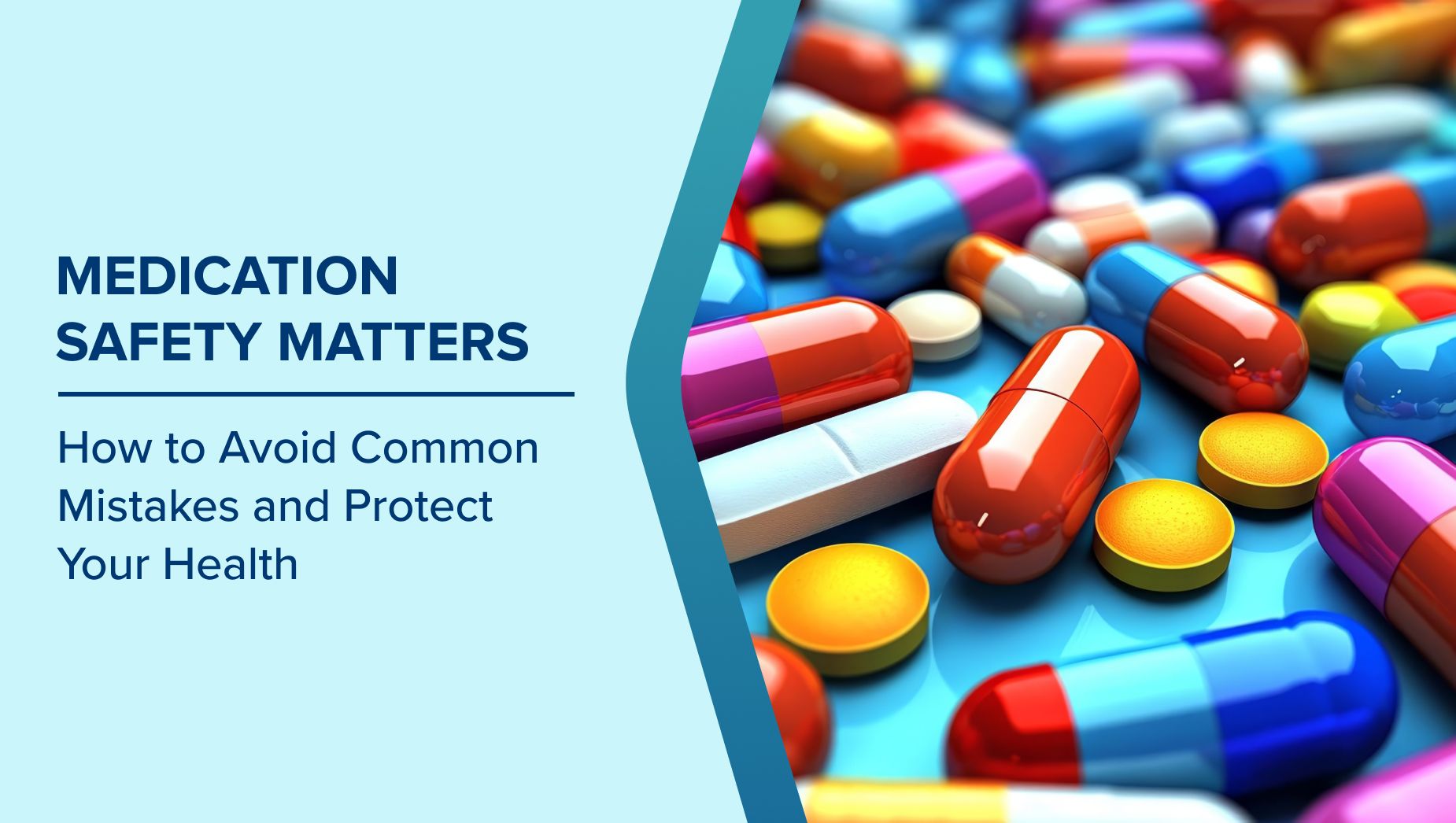
Call Us+91 926 888 0303Medication Safety Matters: How to Avoid Common Mistakes and Protect Your Health
By Dr. Meenakshi Jain in Internal Medicine
Sep 24 , 2025 | 5 min read

Taking medications safely is essential for maintaining good health, managing chronic conditions, and preventing complications. While medicines are powerful tools for healing and wellness, incorrect use can lead to serious health risks. From skipping doses to mixing medications without guidance, even small mistakes can have significant consequences.
Why Medication Safety Is Crucial
Medicines are designed to treat illnesses, relieve symptoms, and prevent disease progression. However, improper use can reduce their effectiveness, cause side effects, or even create new health problems.
Common consequences of medication mistakes include:
- Ineffective treatment of the condition
- Severe allergic reactions or adverse effects
- Hospital visits or emergency interventions
- Long-term complications, including organ damage
Common Mistakes Patients Make With Medications
Even with good intentions, patients can make errors when taking medications. Understanding these common mistakes is the first step in preventing them.
- Incorrect Dosage: Taking more or less than the prescribed dose can lead to serious problems. Overdosing can cause toxicity, organ damage, or severe side effects. Underdosing may prevent the medication from working effectively, allowing the illness to persist or worsen.
- Skipping Doses or Stopping Early: Many patients stop taking medications once they feel better. This is especially common with antibiotics. Stopping too soon can result in incomplete treatment, drug resistance, or relapse of the condition.
- Mixing Medications Without Advice: Taking multiple medications, supplements, or herbal products simultaneously without consulting a healthcare provider can cause dangerous drug interactions. Some combinations reduce effectiveness, while others may cause serious side effects.
- Self-Medication: Using leftover prescriptions or drugs recommended by friends is risky. Self-medication can mask symptoms, delay proper diagnosis, or lead to complications from improper use.
- Not Reading Labels or Instructions: Medication labels contain crucial information, including dosage, timing, side effects, and storage instructions. Ignoring these can result in mistakes such as taking drugs on an empty stomach, missing doses, or improper storage.
- Ignoring Expiration Dates: Expired medicines may lose potency or become unsafe. Taking outdated medication may not only fail to treat the condition but can also cause harm.
Practical Tips to Avoid Medication Mistakes
Preventing medication errors is easier than many people think. Simple strategies can make a significant difference in safe medicine use.
Follow Prescriptions Exactly
- Take the prescribed dose at the correct time, every day, for the full duration.
- Never adjust doses without consulting your doctor, even if you feel better.
Use a Medication Schedule
- Use pill organisers, apps, or alarms to track doses.
- Keep a written record or diary to note when each medication is taken.
Understand Drug Interactions
- Inform your doctor about all prescription drugs, over-the-counter medications, and supplements you use.
- Ask whether any combination could reduce effectiveness or cause side effects.
Read Labels Carefully
- Follow instructions about dosage, timing, and special requirements, such as taking medicine with food or water.
- Check for warnings about alcohol, other drugs, or medical conditions.
Store Medications Properly
- Keep medicines in a cool, dry place, away from sunlight and moisture.
- Keep them out of reach of children and pets.
Avoid Sharing Medicines
- Prescription medications are tailored for specific conditions. Sharing can be dangerous and ineffective.
Regularly Review Medications With Your Doctor
- Schedule check-ups to review all medications, especially if new prescriptions are added.
- Ensure dosages, timing, and interactions remain appropriate as your health changes.
Read More:- Are you Antibiotic Resistance?
Role of Healthcare Professionals in Medication Safety
Healthcare professionals play a vital role in preventing medication errors. Doctors, pharmacists, and nurses are responsible for:
- Prescribing the correct medication and dose
- Explaining how and when to take medicines
- Identifying potential interactions and side effects
- Providing instructions for storage and disposal
- Monitoring patient adherence and response
Effective communication with healthcare providers ensures that patients understand their treatment and can safely manage their medications. Always ask questions if instructions are unclear or if you experience side effects.
Why Patient Education Matters
Patient awareness is a critical part of safe medicine use. Educated patients are more likely to follow prescriptions correctly, avoid mistakes, and recognise early warning signs of complications.
- Understanding side effects helps patients identify problems early.
- Awareness reduces the risks of self-medication and drug interactions.
- Knowledge empowers patients to make informed decisions about over-the-counter medications and supplements.
Healthcare facilities, pharmacists, and online resources can provide information to guide patients in safe medicine practices.
Common Scenarios and How to Handle Them
Even when taking precautions, unexpected situations may occur. Here are some examples:
Accidentally Missing a Dose
- Take the missed dose as soon as you remember, unless it is close to the next scheduled dose.
- Never double the dose to make up for a missed one without consulting a doctor.
Experiencing Side Effects
- Contact your healthcare provider immediately.
- Do not stop a prescribed medication unless advised, as sudden discontinuation may worsen your condition.
Using Multiple Medications
- Maintain a list of all medicines, including doses and schedules.
- Share this list with every doctor or pharmacist to avoid drug interactions.
Travelling With Medications
- Keep medicines in original containers with labels.
- Carry a copy of your prescription and a note from your doctor if travelling internationally.
Creating a Safe Medication Routine
Establishing a daily routine can help minimise errors:
- Take medications at the same time every day
- Keep a dedicated space for your medicines
- Use pillboxes or organisers
- Set alarms or phone reminders
- Track symptoms and side effects
These habits may seem small, but they significantly reduce the risk of mistakes and improve treatment outcomes.
Conclusion
Safe medication use is a shared responsibility between patients and healthcare providers. By following medication safety tips, reading labels carefully, maintaining communication with doctors, and staying informed, you can avoid common medication mistakes.
Proper medicine use ensures that treatments work effectively, side effects are minimised, and your health is protected. Medication errors are preventable, and small steps can lead to significant benefits.
Frequently Asked Questions
Can herbal supplements interfere with prescription medications?
Yes, some herbal products can interact with prescription drugs, reducing their effectiveness or causing side effects. Always inform your doctor before using supplements.
How should I store medications at home?
Store medicines in a cool, dry place, away from sunlight, moisture, and children. Follow any specific instructions on the packaging.
What should I do if I accidentally take a double dose?
Contact your doctor or pharmacist immediately. Do not skip the next dose unless advised. Early guidance can prevent complications.
How often should I review my medications with my doctor?
Patients should review medications at least every six months or when a new drug is added. This helps ensure safety and effectiveness.
Are over-the-counter drugs completely safe?
OTC drugs are generally safe when used as directed. Misuse, overuse, or combining with other medications can be harmful. Always read instructions and consult a healthcare professional if unsure.
Written and Verified by:

Related Blogs


Dr. Vandana Boobna In Internal Medicine
Nov 08 , 2020 | 2 min read
Blogs by Doctor

Care Plan for Malaria: Effective Self-Care Tips and Recovery
Dr. Meenakshi Jain In Internal Medicine
Jun 05 , 2024 | 2 min read

Commit to Your Health: Take the Pledge for Better Health This Father’s Day
Dr. Meenakshi Jain In Internal Medicine
Jul 01 , 2024 | 2 min read
Most read Blogs


Related Blogs
Dr. Vandana Boobna In Internal Medicine
Nov 08 , 2020 | 2 min read
Blogs by Doctor
Care Plan for Malaria: Effective Self-Care Tips and Recovery
Dr. Meenakshi Jain In Internal Medicine
Jun 05 , 2024 | 2 min read
Commit to Your Health: Take the Pledge for Better Health This Father’s Day
Dr. Meenakshi Jain In Internal Medicine
Jul 01 , 2024 | 2 min read
Most read Blogs