 WhatsApp Us (24/7)
 +91 926 888 0303 (24/7)


To Book an Appointment
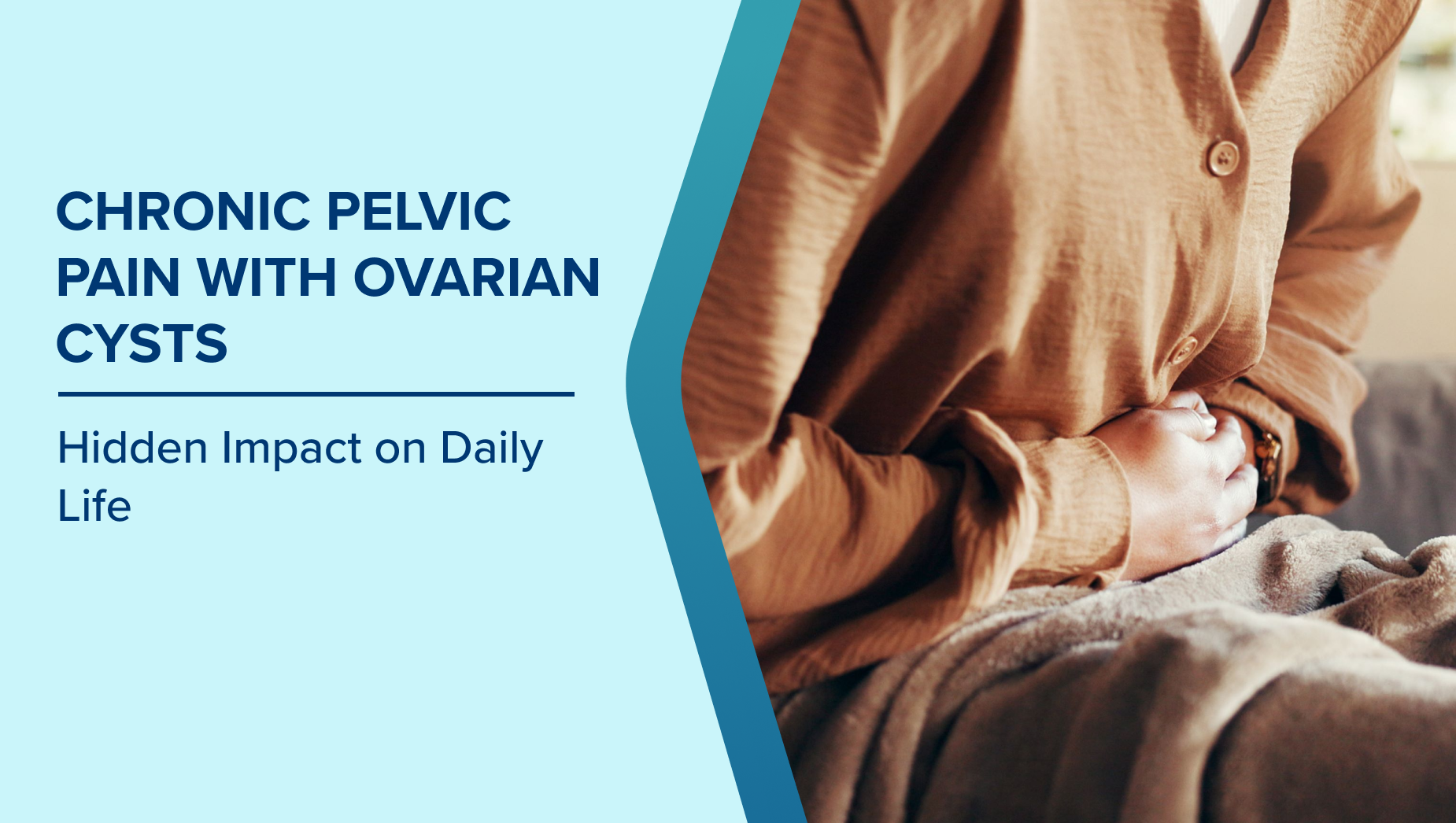
Call Us+91 926 888 0303Manage Chronic Pelvic Pain with Ovarian Cysts: Hidden Impact on Daily Life
By Dr. Anuradha Kapur in Obstetrics And Gynaecology , Robotic Surgery , Gynaecologic Laparoscopy
Aug 25 , 2025 | 4 min read

Living with ovarian cysts can be more than just a medical condition—it can quietly affect many parts of your daily life. While some cysts go unnoticed, others bring persistent pelvic pain that slowly disrupts your physical comfort, emotions, and relationships. This blog sheds light on how chronic pain from ovarian cysts affects women beyond the medical diagnosis and why it deserves attention—not silence.
When Pain Becomes Part of Your Routine
For many women, pelvic pain becomes something they try to ignore or adapt to. It might start as a mild ache but grow into something that affects how you move, work, or sleep. Unlike short-term pain that goes away, chronic pain can last for months and even years. It may not always be severe, but its constant presence makes everyday life more difficult.
Even walking, sitting for long periods, or standing at work can become uncomfortable. Over time, this physical strain may limit your activities and make you less active, which can affect your overall health.
The Emotional Side of Living with Ovarian Cyst Pain
Chronic pain isn’t just physical—it takes an emotional toll, too. It can cause stress, frustration, and even sadness, especially when others don’t understand what you’re going through. People often say, “You look fine,” not realising that your pain isn’t visible. This lack of understanding can lead to feelings of loneliness.
Some women also feel anxious about when the pain might return, especially if it strikes without warning. Over time, this constant worry can affect sleep, mood, and confidence.
Social Life and Personal Relationships
One of the hardest parts of living with cyst-related pain is how it affects your social life. Cancelling plans becomes common, not because you want to—but because you physically can’t enjoy outings, events, or gatherings like before.
Pain can also affect personal relationships. When physical discomfort affects intimacy, it may create distance between partners. It’s not just about the pain itself but the emotional gap it can cause. Honest communication and mutual understanding become key to maintaining healthy connections.
“Wait and Watch” Isn’t Always the Best Option
In some cases, doctors recommend “watchful waiting” for ovarian cysts—meaning they monitor the condition over time instead of starting immediate treatment. While this is suitable for many, it might not be ideal when pain is persistent.
Ignoring or delaying action in such cases may lead to more complications, especially if the cyst grows, twists, or ruptures. If the pain is affecting your day-to-day life, it’s important to have open discussions with your healthcare provider. Your well-being should guide the next steps, not just the size or type of cyst.
How to Manage Life with Chronic Pelvic Pain
Keep Track of the Pain
Maintain a simple diary of your symptoms. Note when the pain starts, how long it lasts, and what you were doing at the time. This helps your doctor understand your condition better and make more informed decisions.
Seek Emotional Support
Pain that lasts for a long time can make you feel emotionally drained. Consider talking to a counsellor or joining a support group. Sharing your story with others who understand can offer relief and practical tips.
Move at Your Own Pace
You may need to adjust your lifestyle, but it doesn’t mean stopping completely. Light exercises, gentle yoga, or even short walks can help you feel better both physically and mentally. Just listen to your body and avoid pushing too hard.
Eat and Rest Well
A balanced diet and enough sleep play a big role in managing stress and boosting energy. Avoiding foods that cause bloating or discomfort helps ease pelvic pain in some women.
Speak Up for Yourself
Your pain is valid—even if tests show a small cyst or no “urgent” problem. Trust your instincts. If something doesn’t feel right, ask questions and don’t hesitate to seek a second opinion.
Conclusion
Living with ovarian cysts and ongoing pelvic pain is not easy, but ignoring it won’t make it better. Your health, comfort, and peace of mind matter. You can take charge of your well-being by listening to your body, seeking help when needed, and making lifestyle adjustments. Chronic pain is not something to suffer in silence—it’s a signal that your body needs care and attention.
Frequently Asked Questions
Can chronic pain from ovarian cysts affect my mental health over time?
Yes, ongoing pain can lead to stress, anxiety, or low mood. Many women feel emotionally drained when dealing with persistent discomfort. Support from mental health professionals can be helpful.
Is it normal for pain to come and go with ovarian cysts?
Yes, some women experience pain in cycles. However, if the pain becomes more frequent or intense, it’s important to get it checked by a doctor.
Should I be concerned if I’m constantly adjusting my lifestyle because of the pain?
Yes, if your pain is making it hard to carry out regular activities like work, exercise, or socialising, it may be time to re-evaluate your treatment options with your healthcare provider.
Can lifestyle habits like food and stress levels affect how I feel with ovarian cysts?
They can. While lifestyle habits don’t cause cysts, things like diet, stress, and lack of rest may make the pain worse. Healthy habits often make coping easier.
Is it possible to live a full life while managing ovarian cysts?
Yes, with the right guidance, support, and attention to both physical and emotional health, many women lead active and fulfilling lives while managing this condition.
Written and Verified by:

Related Blogs

Dr. Manju Khemani In Obstetrics And Gynaecology
Oct 27 , 2020 | 3 min read

Dr. Neera Aggarwal In Obstetrics And Gynaecology , Nutrition And Dietetics
Nov 07 , 2020 | 7 min read
Blogs by Doctor

Understanding Polycystic Ovary Syndrome (PCOS)
Dr. Anuradha Kapur In Obstetrics And Gynaecology
Apr 30 , 2019 | 2 min read

Abnormal Uterine Bleeding (AUB)
Dr. Anuradha Kapur In Obstetrics And Gynaecology
Jun 01 , 2020 | 1 min read
Most read Blogs

Related Blogs
Dr. Manju Khemani In Obstetrics And Gynaecology
Oct 27 , 2020 | 3 min read
Dr. Neera Aggarwal In Obstetrics And Gynaecology , Nutrition And Dietetics
Nov 07 , 2020 | 7 min read
Blogs by Doctor
Understanding Polycystic Ovary Syndrome (PCOS)
Dr. Anuradha Kapur In Obstetrics And Gynaecology
Apr 30 , 2019 | 2 min read
Abnormal Uterine Bleeding (AUB)
Dr. Anuradha Kapur In Obstetrics And Gynaecology
Jun 01 , 2020 | 1 min read
Most read Blogs