 WhatsApp Us (24/7)
 +91 926 888 0303 (24/7)


To Book an Appointment
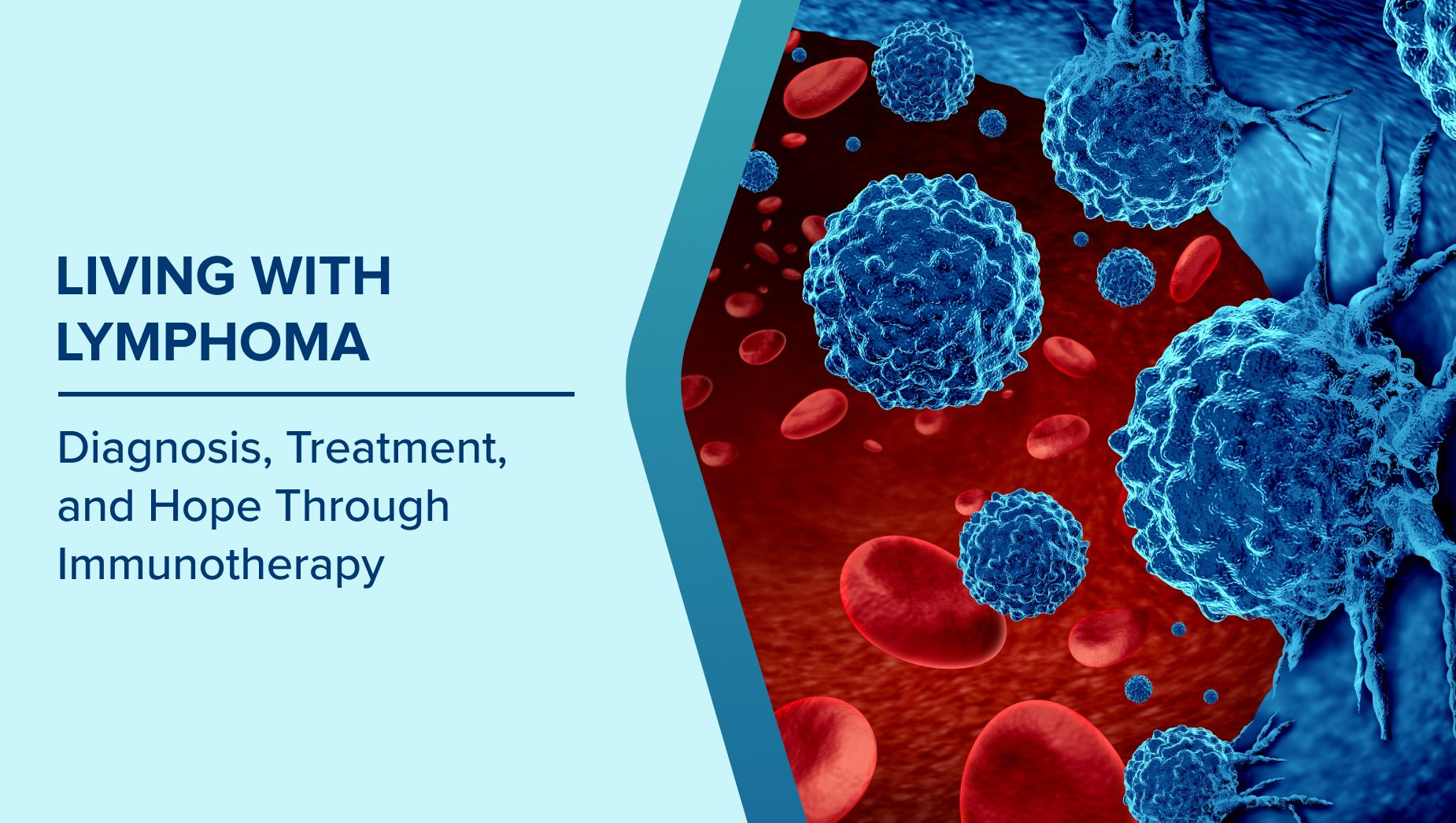
Call Us+91 926 888 0303Living with Lymphoma: Diagnosis, Treatment, and Hope Through Immunotherapy
By Dr Peush Bajpai in Medical Oncology , Cancer Care / Oncology
Sep 08 , 2025 | 5 min read

Lymphoma is a type of blood cancer that develops in the lymphatic system, which plays a crucial role in the body’s immune defence. It occurs when lymphocytes, white blood cells that help fight infections, grow and multiply abnormally. These abnormal cells can accumulate in lymph nodes, bone marrow, spleen, and other organs, disrupting their normal function.
Lymphoma is broadly categorised into two main types: Hodgkin lymphoma (HL) and Non-Hodgkin lymphoma (NHL). While they share similarities, they differ in how the cancer develops, spreads, and responds to treatment. The disease can affect people of any age, though some types are more common in certain age groups.
With advancements in medical science, particularly in immunotherapy, the outlook for people living with lymphoma is more hopeful than ever before.
Signs and Symptoms of Lymphoma
Early detection plays a key role in improving treatment outcomes. Symptoms of lymphoma can often mimic other illnesses, making awareness essential.
Common warning signs include:
- Persistent, painless swelling of lymph nodes (usually in the neck, armpits, or groin): Enlarged lymph nodes that remain painless and do not resolve over time are a key sign of lymphoma requiring evaluation.
- Unexplained fever or recurrent infections: Frequent fevers without a clear infection and increased susceptibility to illnesses may indicate a weakened immune system due to lymphoma.
- Night sweats and persistent fatigue: Profuse sweating during sleep and overwhelming tiredness that does not improve with rest can suggest underlying lymphoma progression.
- Unintentional weight loss: Significant, unexplained weight loss over a short period, despite no changes in diet or exercise, is a warning symptom.
- Itchy skin or rashes without a clear cause: Persistent skin itching, irritation, or unusual rashes with no obvious allergy or skin condition may be linked to lymphoma.
While these symptoms may be linked to less serious conditions, persistent or worsening signs should prompt medical evaluation.
How Lymphoma is Diagnosed
Accurate diagnosis is critical for determining the type and stage of lymphoma, guiding treatment planning.
- Clinical evaluation: A doctor examines enlarged lymph nodes, spleen, or liver, and reviews medical history.
- Blood tests: Assess overall health, organ function, and blood cell counts.
- Imaging studies: CT scans, PET scans, or MRI scans help detect the extent and spread of the disease.
- Biopsy: A sample of lymph node or bone marrow tissue is analysed under a microscope to confirm the presence of abnormal lymphocytes.
- Staging: Once lymphoma is diagnosed, staging determines how far it has spread, ranging from Stage I (localised) to Stage IV (widespread involvement).
This process ensures that patients receive the most effective treatment tailored to their specific type and stage of lymphoma.
Treatment Options for Lymphoma
Treatment for lymphoma depends on its type, stage, and how aggressively it grows. Traditional therapies remain highly effective and are often used in combination.
- Chemotherapy: Anti-cancer drugs destroy rapidly dividing cells and remain a primary treatment for both Hodgkin lymphoma and Non-Hodgkin lymphoma.
- Radiation therapy: High-energy radiation beams precisely target affected areas, destroying lymphoma cells while minimising damage to surrounding healthy tissues.
- Targeted therapy: Specialised drugs focus on unique molecular markers of cancer cells, blocking growth while largely sparing healthy body cells.
- Stem cell transplantation: High-dose chemotherapy eradicates diseased marrow, followed by healthy stem cell infusion to restore normal blood-forming function.
Hope Through Immunotherapy
One of the most promising developments in cancer treatment is immunotherapy, which harnesses the body’s immune system to recognise and destroy cancer cells. Immunotherapy has transformed the treatment landscape for many patients with lymphoma, especially those with relapsed or treatment-resistant disease.
Key forms of immunotherapy for lymphoma include:
- Monoclonal antibodies: These are lab-made proteins that bind to specific antigens on cancer cells, marking them for destruction by the immune system.
- CAR T-cell therapy (Chimeric Antigen Receptor T-cell therapy): A highly advanced treatment in which a patient’s own T-cells are genetically modified to recognise and attack lymphoma cells.
- Immune checkpoint inhibitors: Drugs that block signals used by cancer cells to evade immune detection, allowing T-cells to attack more effectively.
Living with Lymphoma
Beyond treatment, living with lymphoma involves adjusting to physical, emotional, and lifestyle challenges. Each patient’s journey is unique, but many find ways to maintain resilience and hope.
Managing treatment side effects: Fatigue, appetite changes, and lowered immunity are common but can be managed with dietary adjustments, adequate rest, and preventive measures against infections.
Nutrition and lifestyle: A balanced diet rich in fruits, vegetables, and lean protein supports recovery. Gentle physical activity, as advised by doctors, can also improve strength and mental well-being.
Emotional support: A cancer diagnosis can be overwhelming. Counselling, mindfulness techniques, and open communication with loved ones can help patients cope with anxiety, fear, and uncertainty.
Living with lymphoma is not just about battling the disease; it is also about rebuilding confidence, maintaining dignity, and adapting to a “new normal” in life.
Coping and Support Systems
Support systems are central to a patient’s ability to manage lymphoma effectively.
- Caregivers: Families and friends often provide vital practical and emotional assistance. Their involvement in care decisions can ease the burden of treatment.
- Support groups: Sharing experiences with people struggling with similar challenges creates a sense of community and reduces feelings of isolation.
- Follow-up care: Regular medical appointments help monitor remission, manage long-term effects, and detect recurrence early.
Such support helps patients stay engaged in their treatment and improves overall quality of life.
Conclusion
A lymphoma diagnosis can feel daunting, but with modern therapies, especially immunotherapy, patients now have more reason for optimism. Beyond medical treatment, resilience, support, and a proactive approach to health play crucial roles in shaping the journey.
Living with lymphoma is about more than survival; it is about finding strength, adapting to challenges, and embracing hope for the future.
Frequently Asked Questions
Can lifestyle changes influence lymphoma outcomes?
Yes, while lifestyle changes cannot cure lymphoma, maintaining a healthy diet, avoiding smoking, limiting alcohol, and engaging in regular exercise can strengthen the body during treatment and recovery, improving overall well-being.
Is lymphoma hereditary?
Most cases of lymphoma are not inherited. However, a family history of lymphoma or certain genetic conditions may slightly increase risk. Environmental exposures, infections, and immune system disorders often play a greater role.
Can lymphoma return after treatment?
Yes, relapse is possible. Some patients may experience recurrence months or years after initial treatment. Regular follow-ups and scans are important for early detection of relapse, and additional therapies, including immunotherapy, may be used.
How does lymphoma affect fertility?
Some treatments, particularly chemotherapy and radiation, may impact fertility. Patients planning a family are advised to discuss options such as sperm banking, egg freezing, or fertility-preserving techniques before starting therapy.
What role do clinical trials play in lymphoma treatment?
Clinical trials provide access to cutting-edge therapies not yet widely available. They are essential in advancing research and often give patients the opportunity to try innovative treatments that may be more effective or have fewer side effects.
Written and Verified by:

Related Blogs


Dr. Meenu Walia In Medical Oncology , Cancer Care / Oncology
Aug 02 , 2016 | 4 min read
Blogs by Doctor

Breast Cancer Awareness: How Your Risk Can Extend Beyond Family History
Dr Peush Bajpai In Medical Oncology , Cancer Care / Oncology
Oct 10 , 2025 | 4 min read
Most read Blogs


Related Blogs
Dr. Meenu Walia In Medical Oncology , Cancer Care / Oncology
Aug 02 , 2016 | 4 min read
Blogs by Doctor
Breast Cancer Awareness: How Your Risk Can Extend Beyond Family History
Dr Peush Bajpai In Medical Oncology , Cancer Care / Oncology
Oct 10 , 2025 | 4 min read
Most read Blogs