 WhatsApp Us (24/7)
 +91 926 888 0303 (24/7)


To Book an Appointment
Call Us+91 926 888 0303Lyme Disease Explained: Symptoms, Treatment, and Prevention
By Dr. Sumit Sethi in Internal Medicine
Aug 20 , 2025 | 10 min read
2

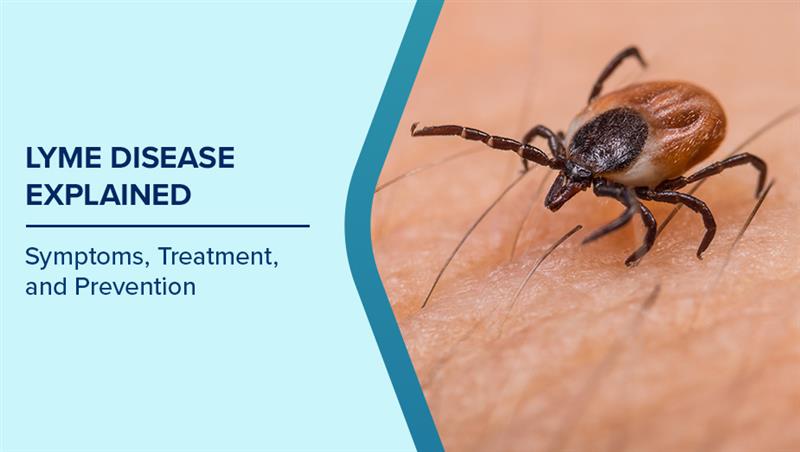
Lyme disease is a bacterial infection spread through the bite of an infected black-legged tick. Once the bacteria enter the bloodstream, they can cause a range of symptoms such as fever, fatigue, joint pain, and a circular red rash at the site of the bite. In the early stages, these signs may closely resemble those of viral illnesses or other common infections. This overlap often delays diagnosis, giving the infection more time to affect other parts of the body. For this reason, understanding how Lyme disease is transmitted, what symptoms to watch for, and how it is treated and prevented is important, especially for those living in or visiting tick-prone areas. This blog is your guide to everything on lyme disease, starting with the basics.
What is Lyme Disease?
Lyme disease is an infectious illness caused by a type of bacteria called Borrelia burgdorferi. The infection spreads through the bite of infected black-legged ticks, also known as deer ticks. These ticks are often found in grassy, wooded, or bushy areas, and they can attach to the skin without being noticed. Once the bacteria enter the bloodstream, they can travel to different parts of the body and cause a wide range of symptoms.
In many cases, Lyme disease begins with a red circular rash around the site of the tick bite, often described as looking like a bull’s-eye. Other early signs may include fever, body aches, fatigue, and swollen lymph nodes. If left untreated, the infection can spread and lead to more serious problems involving the joints, nervous system, or heart.
What are the Stages of Lyme Disease?
Lyme disease develops in stages, based on how far the infection has spread and how long it has remained in the body. Each stage presents with different patterns of symptoms, and the timing can help guide diagnosis and treatment. Although not everyone experiences all stages, the condition generally progresses in the following order:
Early Localised Stage (Days to Weeks After the Bite):
At this stage, the bacteria remain near the site of the tick bite. Symptoms are usually mild and limited to the skin and nearby tissue. A red circular rash known as erythema migrans may appear, along with general signs of infection such as fever, body aches, and fatigue.
Early Disseminated Stage (Weeks to a Few Months After the Bite):
If untreated, the bacteria can begin to spread through the bloodstream to other parts of the body. This stage may involve multiple skin rashes, facial weakness, nerve discomfort, and in some cases, heart-related symptoms such as irregular heartbeat or chest discomfort.
Late Stage (Several Months After the Bite):
At this point, the bacteria may have spread widely and caused more persistent symptoms. Joint inflammation, especially in the knees, becomes more common. Some may also experience memory issues, difficulty focusing, or numbness in the limbs. In rare cases, long-term nerve or heart complications may occur
What are the Symptoms of Lyme Disease?
The symptoms of Lyme disease can vary depending on how long the infection has been in the body. In many cases, the early signs are mild and can be mistaken for common viral infections. If not treated in time, the infection may progress and affect different organs. The symptoms are often grouped into stages:
Early Localised Stage (Days to Weeks After the Bite)
- A circular red rash at the site of the tick bite, often with a clear centre (known as a bull’s-eye rash)
- Fever and chill
- Fatigue
- Headache
- Muscle and joint aches
- Swollen lymph nodes
Early Disseminated Stage (Weeks to Months After the Bite)
- Multiple rashes on different parts of the body
- Severe headaches or neck stiffness
- Nerve pain or tingling in the hands and feet
- Facial palsy (loss of muscle tone or drooping on one or both sides of the face)
- Pain and swelling in large joints, especially the knees
- Irregular heartbeat or chest discomfort
Late Stage (Months After the Bite)
- Ongoing joint pain and swelling
- Memory issues or difficulty concentrating
- Numbness in the arms or legs
- Episodes of dizziness or shortness of breath
Not every person with Lyme disease experiences all of these symptoms. Some may only have mild signs, while others may develop complications if the infection spreads.
How is Lyme Disease Transmitted?
The bacteria that cause Lyme disease, Borrelia burgdorferi, originate in small animals such as mice, birds, and deer. These animals act as natural hosts. When a young black-legged tick feeds on an infected animal, it picks up the bacteria and becomes a carrier.
Once infected, the tick can transmit the bacteria during its next blood meal. Transmission to humans occurs when the tick attaches to the skin and begins feeding. The bacteria are stored in the tick’s gut and take time to move into the salivary glands. This means that the tick must remain attached for at least 24 to 48 hours for the bacteria to enter the human bloodstream.
Ticks cannot jump or fly. They wait on the tips of grass, shrubs, or leaf litter and attach to people or animals as they pass by. After latching on, they often crawl to warm, hidden areas, such as behind the ears, along the hairline, under the arms, or behind the knees, before biting.
How is Lyme Disease Diagnosed?
Diagnosing Lyme disease involves both clinical evaluation and, when needed, laboratory testing. Because the symptoms can resemble other common conditions, diagnosis depends on recognising specific signs and considering recent exposure to tick-prone environments.
Clinical Assessment
Doctors usually begin by reviewing symptoms and looking for signs such as the circular red rash known as erythema migrans. This rash, when present along with fever, joint pain, or fatigue, can be enough to make a diagnosis—especially if there is a known risk of tick exposure. In such cases, treatment may begin without waiting for further tests.
Laboratory Testing
When the rash is not visible or the symptoms are unclear, blood tests may be used to support the diagnosis. These tests detect antibodies that the immune system produces in response to the infection.
- ELISA (Enzyme-Linked Immunosorbent Assay): Used as an initial screening test to check for the presence of antibodies.
- Western Blot Test: Performed to confirm ELISA results by identifying specific antibody patterns.
These tests are more accurate in later stages of the disease, as it takes time for antibodies to build up in the bloodstream. In the early weeks after infection, results may be negative even if the infection is present.
How is Lyme Disease Treated?
The treatment for Lyme disease depends on the stage of the infection and the severity of symptoms. Antibiotics are the main form of treatment, with the choice and method of delivery based on how far the infection has progressed.
Oral Antibiotics
Oral antibiotics are usually prescribed for early-stage Lyme disease. The most common course lasts between two to four weeks. These medicines work by eliminating the Borrelia bacteria from the body before it can spread to other organs.
Most people who receive oral antibiotics early recover fully. The symptoms often begin to improve within a few days of starting treatment. Completing the full course is important, even if symptoms resolve quickly, to ensure the infection is fully cleared.
Oral antibiotics are typically suitable for individuals who show early signs such as the red rash, fever, and body aches but do not have complications affecting the joints, nervous system, or heart.
Intravenous Antibiotics
When Lyme disease affects the brain, spinal cord, heart, or large joints, oral antibiotics may not be enough. In such cases, intravenous antibiotics are used. These are delivered directly into the bloodstream, usually in a hospital or monitored outpatient setting.
The treatment duration with intravenous antibiotics may range from two to four weeks, depending on the severity of the infection and the body’s response. This approach is more intensive and is reserved for people who show signs of late-stage or complicated Lyme disease, including meningitis, facial palsy, or Lyme carditis.
Side effects of intravenous antibiotics can include low white blood cell counts, diarrhoea, or vein irritation, which are monitored and managed during treatment.
Supportive Care for PTLDS
Some individuals continue to experience symptoms such as joint pain, fatigue, or memory issues even after the infection has been treated. This condition is known as post-treatment Lyme disease syndrome (PTLDS). The exact cause is still being studied, but it is not linked to ongoing bacterial infection.
Antibiotics are not effective for PTLDS. Instead, treatment focuses on relieving symptoms and improving quality of life. This may involve pain management, physiotherapy, gentle exercise, and lifestyle adjustments. In some cases, counselling or cognitive therapy may be suggested if memory or concentration issues persist.
Symptoms linked to PTLDS often improve gradually over time, but recovery can vary from person to person. Regular follow-up may be needed for those with long-lasting effects.
How Can Lyme Disease be Prevented?
Lyme disease can often be avoided by taking simple precautions when spending time outdoors, especially in areas where ticks are common. The following steps may help reduce the risk of infection:
- Wear protective clothing: Long sleeves, long trousers tucked into socks, and closed shoes can limit exposed skin. Light-coloured clothing makes it easier to spot ticks.
- Use insect repellent: Apply repellents containing DEET or picaridin on skin. Permethrin-based sprays can be used on clothes and outdoor gear.
- Stay on clear paths: Avoid walking through tall grass, leaf litter, or dense shrubs. Stick to the centre of trails when hiking or walking in wooded areas.
- Check the body for ticks: After outdoor activity, inspect the skin carefully, especially the scalp, behind the ears, underarms, waistline, and behind the knees.
- Shower after returning indoors: Showering within two hours can help remove ticks before they attach and also makes it easier to spot them.
- Examine pets and gear: Ticks can latch onto pets, clothing, or bags. Check everything carefully to avoid bringing ticks indoors.
These precautions are especially important during warmer months, when tick activity is higher. Regular habits like these can go a long way in preventing Lyme disease.
Consult Today
If symptoms such as persistent tiredness, joint discomfort, or a slowly expanding rash appear after outdoor exposure, medical advice should be sought without hesitation. At Max Hospital, infectious disease specialists focus on identifying such infections early and guiding treatment based on the stage and severity. Seeking timely medical support can help prevent the infection from progressing further.
Frequently Asked Questions
Can Lyme disease come back after treatment?
Some people continue to experience symptoms such as fatigue, joint pain, or difficulty concentrating even after completing a full course of antibiotics. This condition is known as post-treatment Lyme disease syndrome (PTLDS). It is not caused by an active infection, and further antibiotics are generally not effective. Supportive care and symptom management are usually recommended in such cases.
How soon after a tick bite do symptoms appear?
Symptoms may begin anywhere between 3 and 30 days after a tick bite. In the early stages, individuals might notice a circular rash or mild flu-like symptoms. In some cases, symptoms may be delayed or go unnoticed, which can make diagnosis more difficult if the infection progresses.
Is Lyme disease contagious between people?
No, Lyme disease is not spread from person to person. It cannot be passed through touching, coughing, sneezing, or sharing food. Transmission occurs only through the bite of an infected black-legged tick.
What should be done if a tick is found on the body?
If a tick is found attached to the skin, it should be removed promptly using fine-tipped tweezers. The tick should be grasped as close to the skin’s surface as possible and pulled upward with steady pressure. After removal, the area should be cleaned with soap and water or an antiseptic. It is also advisable to monitor the site for any changes, such as redness or swelling, over the following days.
Can children get Lyme disease?
Yes, children can become infected if bitten by a tick carrying the bacteria. They may show signs such as fever, tiredness, mood changes, or a rash. Since children often spend time playing outdoors, regular tick checks and prompt removal are especially important. Treatment in children is similar to adults and generally involves a short course of antibiotics.
Are there any vaccines for Lyme disease?
There is currently no approved vaccine for public use in most countries, including India. Research is ongoing, but for now, prevention through tick avoidance and early removal remains the most effective protection against the infection.
Can a person get Lyme disease more than once?
Yes, previous infection does not provide lifelong protection. A person can be reinfected if bitten again by another infected tick. Preventive steps should be followed every time there is potential exposure to tick-prone environments.
Written and Verified by:

Related Blogs


Dr. Vandana Boobna In Internal Medicine
Nov 08 , 2020 | 2 min read
Blogs by Doctor

Leptospirosis: An In-Depth Look at Diagnosis and Care
Dr. Sumit Sethi In Internal Medicine
Oct 13 , 2024 | 10 min read

Body Freezes: A Complete Guide to Hypothermia
Dr. Sumit Sethi In Internal Medicine
Jan 14 , 2025 | 13 min read
Most read Blogs


Related Blogs
Dr. Vandana Boobna In Internal Medicine
Nov 08 , 2020 | 2 min read
Blogs by Doctor
Leptospirosis: An In-Depth Look at Diagnosis and Care
Dr. Sumit Sethi In Internal Medicine
Oct 13 , 2024 | 10 min read
Body Freezes: A Complete Guide to Hypothermia
Dr. Sumit Sethi In Internal Medicine
Jan 14 , 2025 | 13 min read
Most read Blogs