 WhatsApp Us (24/7)
 +91 926 888 0303 (24/7)


To Book an Appointment
Call Us+91 926 888 0303Lifestyle Choices and Brain Tumour Risk: Factors, Diet & Prevention Tips
By Dr. Shailesh Jain in Neurosurgery , Neurosciences , Spine Surgery
Jul 08 , 2025 | 3 min read

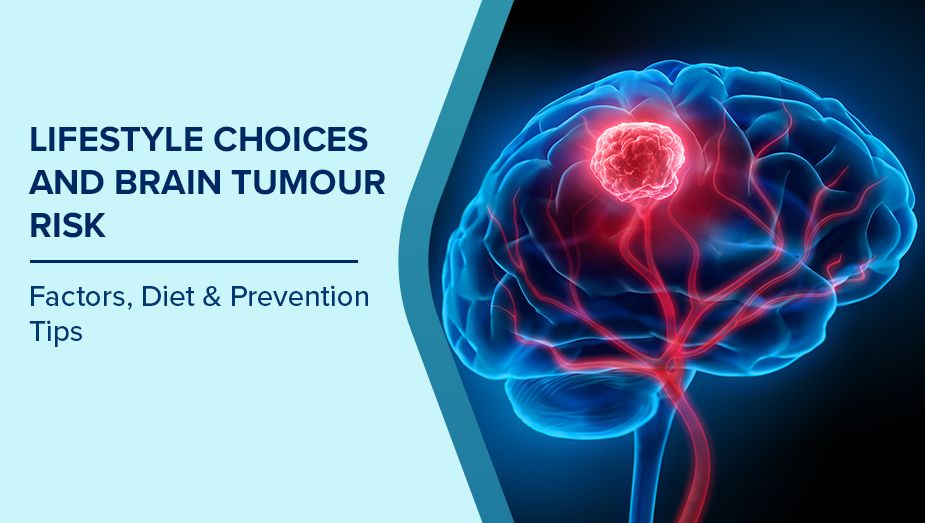
Brain tumours can feel like a mystery. Many worry that daily habits might increase the risk of brain tumours, yet it is often unclear what lifestyle behaviours truly influence this risk. Although genetic causes and environmental triggers play a role, many everyday choices, such as diet, stress, sleep, smoking, and exercise, can also contribute to shaping brain health.
Diet and Brain Health
What we eat fuels our body’s ability to repair and protect itself. While no food can guarantee to prevent brain cancer, research suggests that:
- Antioxidant-rich fruits and vegetables, like berries, leafy greens, and peppers, help reduce inflammation and oxidative stress in the brain.
- Healthy fats, such as those found in olive oil and fatty fish, support brain function and may help protect against cell damage.
- Choosing whole grains and legumes over refined carbs prevents blood sugar spikes and chronic inflammation.
- Limiting processed meats and refined sugars may lower cancer risk and support healthier brain tissue.
Incorporating these diet and brain health principles can help foster long-term resilience.
Sleep Quality and Brain Tumour Risk
Good sleep is crucial for overall well-being. The brain uses this time to eliminate waste products and repair itself. Poor sleep patterns can disrupt these restorative processes. Although more research is needed, sleep disturbances may:
- Increase inflammation in brain tissue
- Impair immune responses that detect abnormal cell growth
- Affect hormone regulation, especially cortisol, which may influence cell behaviour
Sticking to regular sleep schedules and creating a calm bedtime routine supports better brain self-care.
Stress and Brain Tumours
Does stress cause brain tumours? Direct proof is lacking, yet long-term stress clearly influences health. Chronic stress can:
- Drive constant inflammation
- Keep stress hormones elevated over time
- Weaken immune surveillance that might identify abnormal brain cells
Managing stress through mindfulness, spending time in nature, social support, or simple relaxation techniques may not directly prevent a tumour, but it helps maintain a healthier internal environment.
Alcohol, Smoking, and Other Risks
Some lifestyle choices are more clearly linked to cancer risks:
- Smoking, especially heavy and long-term use, is tied to many cancers. Although its link to brain tumours is less clear, smoke-derived chemicals can affect overall brain health.
- High alcohol intake may increase cancer risk and contribute to inflammation, though the direct link to brain tumours needs further study.
- Radiation exposure and brain tumour risk are well-established for high-dose sources. Everyday exposures, such as X-rays, are far lower risk, but repeated radiation should be monitored carefully.
Cutting back or quitting these habits can help reduce cancer risk and support brain healing.
The Role of Exercise in Brain Protection
Regular physical activity supports physical and mental health. Exercise helps with:
- Reducing systemic inflammation
- Improving blood flow and delivering nutrients to the brain
- Boosting immune function and cell regulation
Activities such as walking, swimming, dancing, or yoga for at least 150 minutes a week support lifestyle and brain cancer prevention efforts.
Avoiding Unnecessary Radiation
The link between radiation and brain tumours is a proven concern when exposure is high. For medical imaging:
- Use MRI instead of CT scans when appropriate, as MRI uses no radiation
- Keep X-ray use to necessary cases only
- Balance diagnostic needs against long-term exposure risk
Limiting unnecessary radiation supports safer healthcare decisions.
Making Lifestyle Changes for Brain Tumour Prevention
While no single action eliminates risk, several supportive habits may reduce potential triggers:
- Eat a plant-forward diet rich in whole foods
- Prioritise 7 to 9 hours of quality sleep each night
- Build daily stress relief through movement or relaxation
- Stay active most days to support body and brain health
- Avoid or quit tobacco and limit alcohol
- Ask doctors about imaging choices and radiation histories
Small changes now build a stronger foundation for brain and body protection.
Conclusion
While genetics and chance are always part of brain cancer causes, lifestyle choices can influence brain health. Focusing on brain tumour prevention through diet, sleep, stress management, exercise, and avoiding excessive radiation creates a healthier internal setting. Even if these steps do not guarantee prevention, taking control of your well-being is a valuable act toward overall health. Whenever in doubt, consult a healthcare provider to create a safe and balanced lifestyle plan.
Frequently Asked Questions
Can vitamins or supplements reduce brain tumour risk?
No supplements are proven to prevent brain tumours. However, a well-rounded diet supplying vitamins, minerals, and antioxidants supports overall brain health.
Does using cell phones increase the risk of brain tumours?
Current evidence shows no clear link between typical smartphone use and brain tumours. However, using hands-free options can help ease radiation concerns.
Are brain tumours hereditary?
Some rare genetic conditions can raise the risk. However, most brain tumours occur without a family history. Regular check-ups help detect issues early.
How often should brain health be checked through imaging?
Only when clinically necessary. Routine scans without specific symptoms add little benefit and can expose one to unnecessary radiation.
Is there a benefit to cognitive exercises for reducing tumour risk?
Brain training maintains mental sharpness and resilience. While it does not prevent tumours, it supports general brain function and well-being.
Written and Verified by:

Related Blogs

Dr. Sanjeev Kumar Gupta In Neurosurgery , Neurosciences
Jun 30 , 2016 | 2 min read

Dr. Sonal Gupta In Neurosurgery , Neurosciences
Jul 20 , 2016 | 2 min read
Most read Blogs


Related Blogs
Dr. Sanjeev Kumar Gupta In Neurosurgery , Neurosciences
Jun 30 , 2016 | 2 min read
Dr. Sonal Gupta In Neurosurgery , Neurosciences
Jul 20 , 2016 | 2 min read
Most read Blogs