 WhatsApp Us (24/7)
 +91 926 888 0303 (24/7)


To Book an Appointment
Call Us+91 926 888 0303Life After Cancer Treatment: Recovery, Imaging & Follow-Up Care
By Dr. Meenu Walia in Medical Oncology , Cancer Care / Oncology , Breast Cancer , Thoracic Oncology , Gynecologic Oncology
Feb 23 , 2026

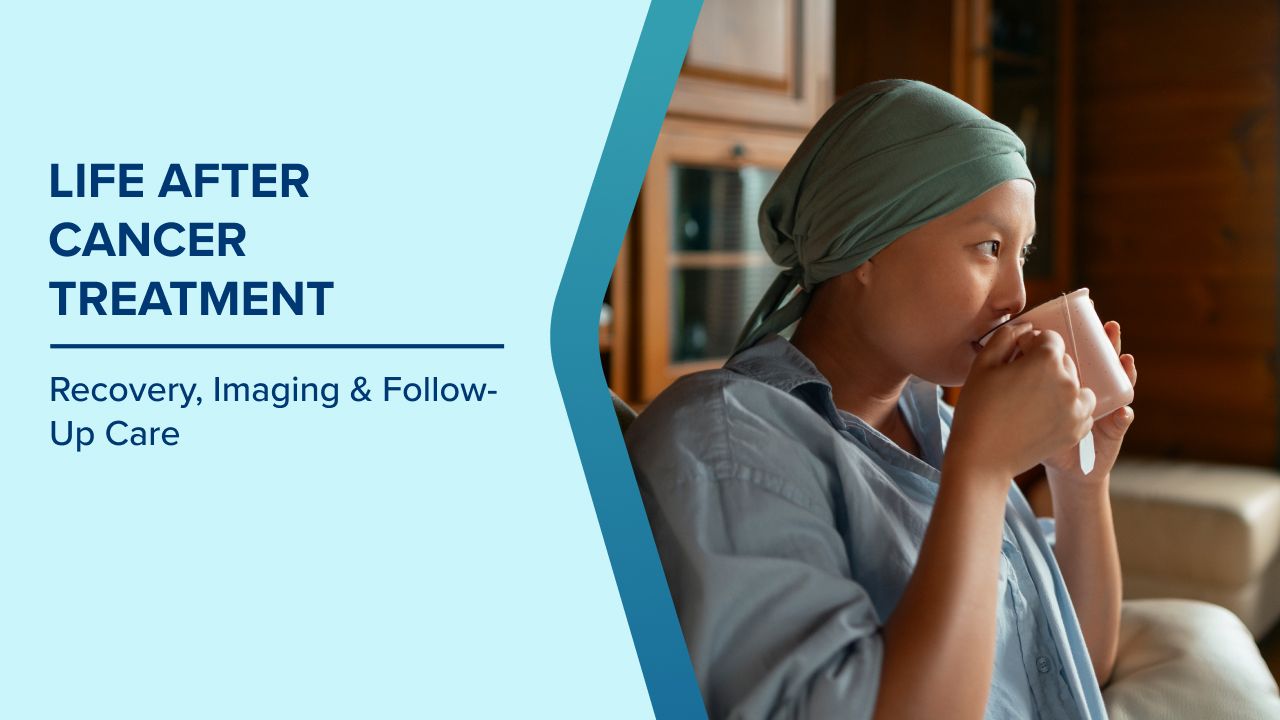
Cancer treatment does not end when chemotherapy, radiation therapy, or surgery is completed. Life during and after cancer treatment involves ongoing medical imaging, follow-up scans, physical recovery, and emotional adjustment. Patients often undergo regular CT, PET/CT, MRI, and blood tests to monitor treatment response and detect recurrence early. While side effects such as fatigue, appetite changes, and mood shifts are common during therapy, the period after treatment brings its own challenges, including scan anxiety, rebuilding strength, and adapting to a new routine. Understanding what to expect at each stage helps patients and caregivers feel better prepared, more confident, and more supported throughout the recovery journey.
What Daily Life Looks Like During Cancer Treatment
Cancer treatment often follows a schedule that becomes the centre of daily life. Hospital visits, blood tests, imaging scans, and treatment sessions create a routine that may feel overwhelming at first.
Physical Changes You May Experience
The effects depend on the type of cancer and treatment, but common experiences include:
- Fatigue that does not improve fully with rest
- Changes in appetite or taste
- Hair loss or skin sensitivity
- Nausea or digestive discomfort
- Sleep disturbances
Fatigue is among the most frequently reported concerns. It can feel different from ordinary tiredness. Simple tasks such as walking, cooking, or climbing stairs may require more effort. Planning the day around energy levels becomes important.
Emotional Ups and Downs
It is common to feel anxious, irritable, or low during treatment. Waiting for test results or imaging reports can create stress. Many patients describe feeling strong one day and overwhelmed the next.
Emotional responses during cancer treatment are not signs of weakness. They are natural reactions to uncertainty and physical strain. Support from family, friends, and counselling services can make a significant difference.
The Role of Medical Imaging During Treatment
Medical imaging plays a crucial role in cancer care. CT, PET CT, MRI, and ultrasound scans help doctors assess how well the treatment is working. These scans help in:
- Monitoring tumour size
- Assessing response to chemotherapy or radiation therapy
- Planning further treatment steps
- Detecting complications early
Imaging and staging are essential parts of oncology care. They guide decision-making and provide reassurance when results show improvement.
However, scan days can bring anxiety. Many patients feel tense while waiting for reports. Preparing mentally and having clear communication with the care team helps reduce uncertainty.
Managing Work and Family Responsibilities
Balancing treatment with daily responsibilities is challenging. Some patients continue working part-time, while others take medical leave. Practical strategies include:
- Prioritising essential tasks
- Accepting help from family or friends
- Scheduling important activities during higher energy periods
- Discussing flexible work options with employers
Caregivers also experience stress. Open communication within the family helps everyone adjust expectations realistically.
Nutrition and Strength During Treatment
Changes in appetite are common during cancer treatment. Some people lose interest in food, while others experience changes in taste. Simple nutrition principles include:
- Eating small, frequent meals
- Choosing protein-rich foods to maintain muscle strength
- Staying hydrated
- Avoiding heavy or greasy foods if nausea is present
A clinical nutritionist can provide individualised guidance. Maintaining strength supports better recovery and tolerance to therapy.
The Transition After Treatment Ends
Finishing cancer treatment often brings mixed emotions. There is relief, but also uncertainty. Regular hospital visits may decrease, and patients sometimes feel less supported once active treatment stops.
This phase is sometimes called survivorship, but it does not mean all challenges disappear.
Follow-Up and Surveillance
After treatment, follow-up care includes:
- Scheduled CT scans, MRI, or PET scans
- Blood tests
- Physical examinations
- Monitoring for recurrence
Follow-up frequency depends on the type and stage of cancer. These visits are essential for early detection if the disease returns. Many patients feel anxious before follow-up appointments. This feeling is common and usually reduces with time as confidence builds.
Physical Recovery After Cancer Treatment
Recovery does not happen overnight. The body needs time to heal from surgery, chemotherapy, or radiation therapy. Common recovery experiences include:
- Gradual improvement in energy levels
- Changes in weight
- Mild pain or stiffness after surgery
- Temporary memory or concentration difficulties
Regular gentle exercise, such as walking or stretching, improves circulation, reduces fatigue, and supports mental health. If symptoms persist or worsen, discussing them with the oncology team is important.
Frequently Asked Questions
How often are scans needed after cancer treatment?
The frequency depends on cancer type and stage. Many patients have follow-up imaging every few months initially, then less often over time.
Is it normal to feel anxious before follow-up appointments?
Yes, anxiety before scans or test results is common and usually decreases as time passes and confidence grows.
Can cancer treatment affect memory or concentration?
Some patients experience temporary difficulty focusing, often called chemo brain. This usually improves gradually.
When can someone return to normal physical activity?
Light activity can often begin soon after treatment, but the timeline varies. A doctor can provide guidance tailored to an individual's recovery.
Are lifestyle changes necessary after treatment ends?
Healthy habits such as balanced nutrition, exercise, and regular medical follow-up support long-term health and reduce overall risk.
Written and Verified by:

Related Blogs


Dr. Meenu Walia In Medical Oncology , Cancer Care / Oncology
Aug 02 , 2016 | 4 min read
Blogs by Doctor

10 Questions and Answers for Ovarian Cancer
Dr. Meenu Walia In Medical Oncology , Cancer Care / Oncology
Nov 08 , 2020 | 3 min read

Ovarian Cancer Basics Every Woman Should Know About
Dr. Meenu Walia In Medical Oncology , Cancer Care / Oncology
Nov 08 , 2020 | 2 min read
Most read Blogs


Related Blogs
Dr. Meenu Walia In Medical Oncology , Cancer Care / Oncology
Aug 02 , 2016 | 4 min read
Blogs by Doctor
10 Questions and Answers for Ovarian Cancer
Dr. Meenu Walia In Medical Oncology , Cancer Care / Oncology
Nov 08 , 2020 | 3 min read
Ovarian Cancer Basics Every Woman Should Know About
Dr. Meenu Walia In Medical Oncology , Cancer Care / Oncology
Nov 08 , 2020 | 2 min read
Most read Blogs