 WhatsApp Us (24/7)
 +91 926 888 0303 (24/7)


To Book an Appointment
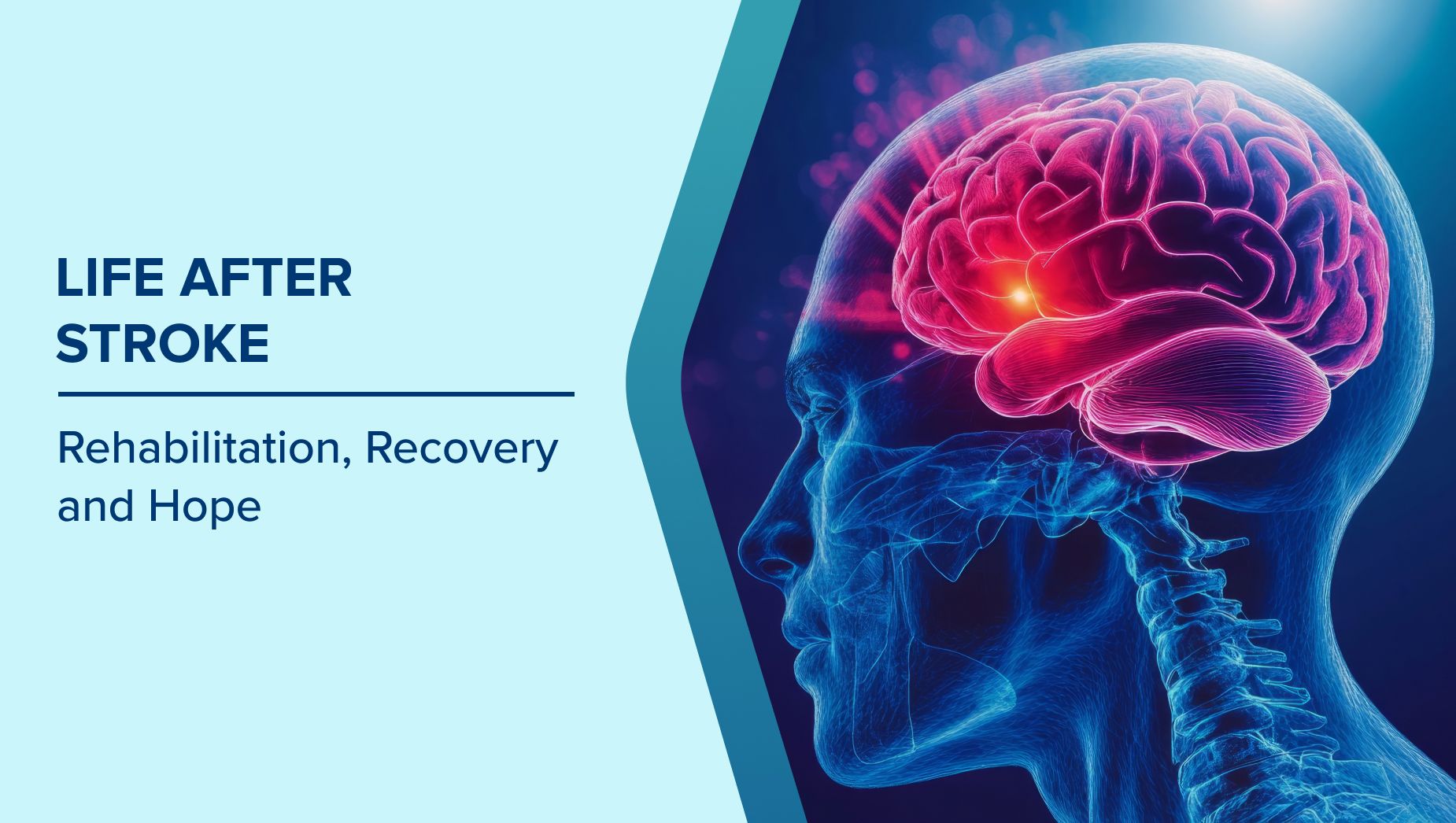
Call Us+91 926 888 0303Life After Stroke: Rehabilitation, Recovery and Hope
By Dr. Sanjay Saxena in Neurosciences , Neurology
Nov 03 , 2025 | 5 min read

A stroke can change life in an instant, but recovery is not just possible, it’s powerful. Life after a stroke is often described as a second chance, a journey of rediscovering strength, independence, and hope.
While the road to recovery may be long and at times challenging, with the right support, therapy, and determination, many survivors regain their ability to live meaningful, fulfilling lives.
Understanding Life After a Stroke
A stroke occurs when blood flow to a part of the brain is interrupted, leading to damage to brain cells. This can affect movement, speech, memory, and emotions. What follows is a process of healing, not just physically but mentally and emotionally.
Post-stroke life varies greatly among individuals. Some may recover quickly, while others face long-term rehabilitation. What remains constant is the body’s incredible ability to adapt through therapy, practice, and perseverance.
The Physical and Emotional Impact of Stroke
The effects of a stroke can differ depending on which part of the brain is affected. Common physical challenges include weakness on one side of the body, difficulty walking, or problems with coordination and speech. Fatigue is also very common, even after minor strokes.
Emotionally, survivors may experience frustration, anxiety, or sadness as they adjust to new limitations. Feelings of fear about future strokes or loss of independence are also natural. Acknowledging these emotions and seeking psychological support is an important part of the healing process.
Stages of Stroke Recovery
Stroke recovery often follows a series of stages that unfold over weeks or months:
- Acute phase: This begins immediately after the stroke, with emergency care focused on stabilising the patient and preventing further brain injury.
- Rehabilitation phase: Once stable, the focus shifts to regaining lost functions through physical, occupational, and speech therapy.
- Chronic phase: This is the long-term recovery period, where consistent therapy, home exercises, and lifestyle changes continue to improve independence.
Recovery timelines vary; some people make rapid progress, while others improve gradually. Patience and persistence are vital at every stage.
Rehabilitation: The Cornerstone of Recovery
Rehabilitation is the foundation of life after a stroke. It helps retrain the brain to regain control over the body, speech, and thought processes. The goal is not only to restore lost abilities but also to help survivors adapt to new ways of doing things.
Physiotherapy
Physiotherapists design exercises that strengthen muscles, improve coordination, and enhance balance. Regular movement prevents stiffness and helps retrain the brain to control affected limbs more effectively.
Occupational Therapy
Occupational therapists help survivors relearn daily tasks such as dressing, eating, or writing. They also recommend adaptive tools that make everyday life easier and safer.
Speech and Language Therapy
Speech therapy addresses communication difficulties, such as slurred speech or trouble forming words. It also helps those struggling with swallowing or understanding language.
Cognitive and Psychological Support
A stroke can impact memory, attention, and decision-making. Cognitive therapy and counselling provide tools to strengthen mental skills and cope with emotional challenges.
Lifestyle Adjustments for Long-Term Recovery
Adapting to life after a stroke often requires making sustainable lifestyle changes. These not only aid recovery but also help prevent another stroke.
- Balanced diet: Focus on fresh fruits, vegetables, whole grains, lean proteins, and limited salt or sugar intake.
- Regular physical activity: Gentle exercise, such as walking or stretching, helps improve circulation and strength.
- Medication management: Following prescribed treatments for blood pressure, cholesterol, or diabetes is essential.
- Adequate sleep and hydration: Proper rest supports brain repair and energy restoration.
- Avoiding smoking and alcohol: These habits increase stroke risk and slow recovery.
The Role of Family and Community Support
Recovery from a stroke is rarely a solo effort. Family, friends, and caregivers play an important role in helping survivors rebuild confidence and independence.
Simple gestures, like assisting with daily activities, encouraging therapy sessions, or celebrating small milestones, can make a huge emotional impact. Community rehabilitation groups also offer valuable motivation by connecting survivors who share similar experiences.
Caregivers should also remember to care for their own well-being, as burnout can affect their ability to provide support.
Coping with Emotional Challenges
Emotional recovery is as important as physical rehabilitation. After a stroke, many individuals experience mood swings, irritability, or depression. These are not signs of weakness but natural responses to major life changes.
Talking to a counsellor or joining a stroke support group can help survivors and their families manage emotions constructively. Techniques such as mindfulness, meditation, and relaxation exercises can also reduce anxiety and improve mental focus.
Maintaining a sense of purpose, whether through hobbies, work, or volunteering, can uplift morale and promote emotional healing.
Long-Term Care and Secondary Stroke Prevention
Once the initial recovery phase ends, ongoing care becomes vital to prevent future strokes. This includes:
- Regular medical check-ups to monitor blood pressure, blood sugar, and cholesterol.
- Following the treatment plans prescribed by doctors for underlying conditions.
- Monitor warning signs such as sudden weakness, speech difficulty, or dizziness.
- Adopting a healthy lifestyle that supports long-term cardiovascular health.
Prevention is the best form of protection. Recognising risk factors early helps ensure a safer and healthier future.
The Power of Hope in Recovery
Recovery from a stroke is rarely straightforward, but maintaining hope transforms the journey. Progress may come slowly, but every improvement, a word spoken, a step taken, or a smile regained, is a victory worth celebrating.
Patience, perseverance, and belief in one’s ability to heal are key to recovery. With modern rehabilitation techniques, professional guidance, and emotional support, countless stroke survivors rediscover independence and quality of life.
Conclusion
Life after a stroke is a story of resilience. Rehabilitation gives survivors the tools to rebuild their lives, while hope fuels their journey. Though challenges may arise, consistent care, healthy choices, and emotional support can restore balance, independence, and confidence.
Every step towards recovery, no matter how small, brings renewed strength and a brighter tomorrow.
Frequently Asked Questions
Can a person fully recover after a stroke?
Recovery depends on the stroke’s severity and the speed of rehabilitation. Many people regain independence through consistent therapy and healthy living.
How soon should rehabilitation start after a stroke?
Rehabilitation should ideally begin as soon as the patient is medically stable, often within days of the stroke, to maximise recovery outcomes.
Can emotional stress slow down stroke recovery?
Yes, high stress levels can affect blood pressure and mental focus, making recovery slower. Relaxation and emotional support help improve outcomes.
Is driving possible after a stroke?
Many people return to driving after medical clearance and a functional driving assessment. Safety and reaction time are key factors considered by doctors.
How can families best support a stroke survivor?
Encouragement, patience, and involvement in therapy sessions are essential. Helping the survivor set achievable goals fosters motivation and confidence.
Written and Verified by:

Related Blogs

Dr. Chandril Chugh In Neurosciences , Interventional Neurology
Nov 08 , 2020 | 1 min read

Dr. Chandril Chugh In Neurosciences , Interventional Neurology
Nov 08 , 2020 | 2 min read
Blogs by Doctor

A Promising Therapy for Brain Stroke Care
Dr. Sanjay Saxena In Neurosciences
Aug 16 , 2016 | 1 min read

Women Beware! A Stressful Lifestyle Can Worsen your Migraine
Dr. Sanjay Saxena In Neurosciences
Mar 20 , 2017 | 2 min read
Most read Blogs


Related Blogs
Dr. Chandril Chugh In Neurosciences , Interventional Neurology
Nov 08 , 2020 | 1 min read
Dr. Chandril Chugh In Neurosciences , Interventional Neurology
Nov 08 , 2020 | 2 min read
Blogs by Doctor
A Promising Therapy for Brain Stroke Care
Dr. Sanjay Saxena In Neurosciences
Aug 16 , 2016 | 1 min read
Women Beware! A Stressful Lifestyle Can Worsen your Migraine
Dr. Sanjay Saxena In Neurosciences
Mar 20 , 2017 | 2 min read
Most read Blogs