 WhatsApp Us (24/7)
 +91 926 888 0303 (24/7)


To Book an Appointment
Call Us+91 926 888 0303Can Diabetic Patients Get a Kidney Transplant? Important Things to Know
By Dr. Mrinal Pahwa in Urology , Kidney Transplant , Uro-Oncology
Mar 09 , 2026
1

For many people living with diabetes, kidney failure can feel like a life-altering turning point. When kidney function declines to the point where dialysis becomes necessary, a kidney transplant is often discussed as a long-term solution. However, a common concern arises early in this conversation. Can a person with diabetes safely undergo a kidney transplant?
The answer is yes. Diabetes does not automatically rule out transplantation. In fact, many people with diabetes go on to have successful kidney transplants and experience a better quality of life afterwards. What matters most is careful assessment, preparation, and long-term management before and after surgery.
Understanding Kidney Transplantation in Diabetes
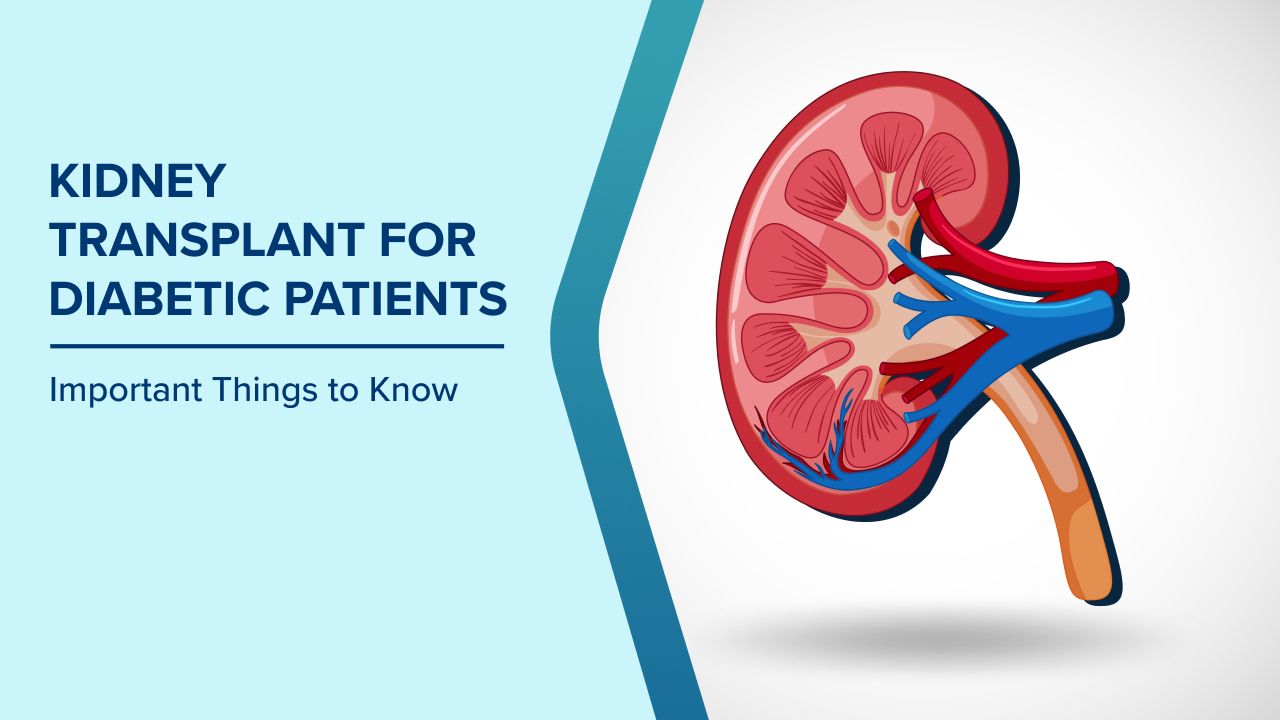
A kidney transplant involves replacing a failed kidney with a healthy one from a living or deceased donor. For people with diabetes, kidney failure often develops after many years of metabolic stress on the body. By the time transplantation is considered, diabetes is usually a well-established condition rather than a new diagnosis.
Diabetes adds complexity to transplant care, but it does not make the procedure unsafe by default. With the right planning and medical supervision, transplantation can restore kidney function and reduce dependence on dialysis.
Eligibility for Kidney Transplant in Diabetic Patients
Eligibility for a kidney transplant is not based on diabetes alone. Doctors look at the overall health of the person, how well diabetes is managed, and whether surgery and long-term medication can be tolerated safely.
Key factors that influence eligibility include:
- Stable blood sugar control over time
- Acceptable heart and blood vessel health
- Absence of active infections
- Ability to follow lifelong medication and follow-up schedules
- Psychological readiness and family support
People with both type 1 and type 2 diabetes may be considered for transplantation if these criteria are met.
Diabetes itself is not viewed as a barrier, but poorly controlled diabetes or untreated complications may delay or limit transplant options until stability is achieved.
Pre-Transplant Preparation for People With Diabetes
Preparation before transplant is especially important for diabetic patients. The goal is to reduce surgical risk and improve long-term graft survival.
During the evaluation phase, healthcare teams focus on:
- Optimising blood glucose control
- Reviewing current medications and insulin requirements
- Assessing heart health and circulation
- Identifying any infections or healing issues
- Counselling on lifestyle changes after transplant
This period also allows patients to understand how diabetes care will change once kidney function is restored. Some people find that their insulin needs shift significantly after surgery, which requires careful planning.
Surgical Considerations in Diabetic Patients
Kidney transplant surgery itself is similar for people with and without diabetes. However, diabetes can influence healing, infection risk, and blood sugar fluctuations during recovery.
Surgeons and anaesthetists take extra precautions by:
- Monitoring blood glucose closely during and after surgery
- Adjusting insulin or medication doses
- Preventing wound complications
- Managing fluid balance carefully
With modern surgical techniques and monitoring, outcomes for diabetic patients are increasingly positive when care is coordinated properly.
Recovery After Kidney Transplant With Diabetes
Recovery after transplant involves both physical healing and metabolic adjustment. For people with diabetes, this phase requires closer observation, especially in the early weeks.
Common changes during recovery include:
- Improved energy and appetite
- Fluctuating blood sugar levels
- Temporary changes in insulin sensitivity
- Adjustments in diabetes medication
Some transplant medications can increase blood glucose levels, particularly in the first months. This does not mean the transplant has failed. This implies that diabetes management must be fine-tuned to accommodate the new metabolic state.
Regular follow-ups help ensure both kidney function and blood sugar levels remain stable.
Managing Diabetes After Transplant Surgery
Life after a kidney transplant does not mean diabetes disappears. However, diabetes management often becomes more predictable once kidney function improves.
Post-transplant diabetes care focuses on:
- Regular blood glucose monitoring
- Medication adjustments as kidney function stabilises
- Balanced nutrition and portion control
- Safe physical activity
- Ongoing education and self-awareness
Some people experience improved insulin response after transplant, while others may need new medication strategies. Personalised care is essential rather than a one-size-fits-all approach.
Long-Term Outcomes for Diabetic Kidney Transplant Recipients
When diabetes is well managed, kidney transplant outcomes can be excellent. Many recipients report improved quality of life compared to long-term dialysis.
Long-term benefits may include:
- Greater freedom in daily routines
- Better appetite and nutritional status
- Improved energy and mental well-being
- Reduced hospital visits compared to dialysis
However, success depends on adherence. Skipping medications, ignoring follow-ups, or neglecting diabetes control can compromise graft health over time.
Lifestyle Changes After Transplant for People With Diabetes
A kidney transplant is not just a surgical event. It is a lifestyle transition. Diabetic patients benefit most when they view transplant as a fresh start with responsibility.
Healthy habits after transplant include:
- Consistent meal timings
- Maintaining a healthy body weight
- Avoiding tobacco and excessive alcohol
- Staying physically active within limits
- Managing stress and sleep
These habits support both kidney health and long-term diabetes control.
Emotional and Social Adjustment After Transplant
Living with diabetes and kidney failure can be emotionally exhausting. Many people feel relief after a transplant, but emotional adjustment still takes time.
Some common experiences include:
- Fear of graft rejection
- Anxiety about medication dependence
- Pressure to stay healthy
- Gratitude mixed with guilt towards donors
Psychological support and open communication with healthcare teams help patients adjust emotionally and build confidence in their recovery.
Importance of Regular Follow-Up Care
Follow-up care is lifelong after kidney transplantation. For people with diabetes, follow-ups are even more critical.
These visits help:
- Monitor kidney function
- Adjust diabetes treatment
- Detect early complications
- Reinforce healthy habits
Skipping follow-ups increases the risk of silent problems that can be prevented if caught early.
Conclusion
Kidney transplantation is a viable and effective option for many people living with diabetes. While diabetes adds complexity, it does not eliminate the possibility of a successful transplant. With proper evaluation, personalised care, and long-term commitment, people with diabetes can regain independence, improve quality of life, and protect their transplanted kidney for years to come.
A transplant is not an endpoint. It is a new phase that requires partnership between the patient and the healthcare team.
Frequently Asked Questions
Can people with long-standing diabetes be placed on a transplant waiting list?
Yes, duration of diabetes alone does not determine eligibility. Overall health, stability, and ability to manage treatment are more important factors.
Does a kidney transplant cure diabetes?
No, a transplant restores kidney function but does not reverse diabetes. Ongoing diabetes care remains essential.
Can blood sugar levels improve after a transplant?
Some people notice better glucose stability due to improved kidney function, but medication adjustments are still needed.
Is age a limiting factor for diabetic kidney transplant patients?
Age is considered alongside overall health and functional status. Many older adults with diabetes successfully undergo transplantation.
Can a person with diabetes receive a kidney from a living donor?
Yes, living donor transplantation is often encouraged when suitable, as it may offer shorter waiting times and better outcomes.
Written and Verified by:

Related Blogs

Dr. Anant Kumar In Urology , Kidney Transplant , Uro-Oncology
Nov 08 , 2020 | 8 min read

Dr. Shailendra Kumar Goel In Urology , Kidney Transplant , Uro-Oncology
Nov 08 , 2020 | 4 min read
Blogs by Doctor

Monthly Testicular Self-Exam: Step-by-Step Guide for Men’s Health
Dr. Mrinal Pahwa In Urology , Kidney Transplant , Uro-Oncology
Jul 08 , 2025 | 4 min read

Prostate Health Myth vs Fact: What Every Man Should Know About
Dr. Mrinal Pahwa In Urology , Kidney Transplant , Uro-Oncology
Dec 04 , 2025 | 4 min read
Most read Blogs


Related Blogs
Dr. Anant Kumar In Urology , Kidney Transplant , Uro-Oncology
Nov 08 , 2020 | 8 min read
Dr. Shailendra Kumar Goel In Urology , Kidney Transplant , Uro-Oncology
Nov 08 , 2020 | 4 min read
Blogs by Doctor
Monthly Testicular Self-Exam: Step-by-Step Guide for Men’s Health
Dr. Mrinal Pahwa In Urology , Kidney Transplant , Uro-Oncology
Jul 08 , 2025 | 4 min read
Prostate Health Myth vs Fact: What Every Man Should Know About
Dr. Mrinal Pahwa In Urology , Kidney Transplant , Uro-Oncology
Dec 04 , 2025 | 4 min read
Most read Blogs