 WhatsApp Us (24/7)
 +91 926 888 0303 (24/7)


To Book an Appointment
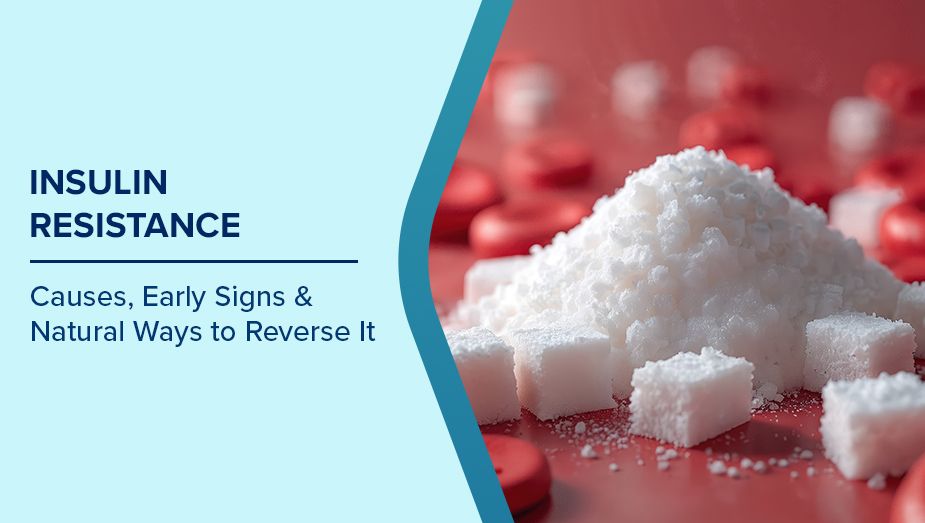
Call Us+91 926 888 0303Insulin Resistance: Causes, Early Signs & Natural Ways to Reverse It
By Dr. Aprajita Pradhan in Endocrinology & Diabetes
Aug 04 , 2025 | 2 min read
3

Modern lifestyles often create hidden metabolic conditions. One such condition growing quietly is insulin resistance. Understanding its root causes can empower you to make simple but meaningful changes.
What is Insulin Resistance?
Insulin is a hormone released by the pancreas that helps cells absorb glucose (sugar) from the bloodstream. When insulin resistance develops, your cells stop responding efficiently. As a result, your body needs more insulin to move sugar into cells. Over time, this leads to higher blood sugar and increased strain on your pancreas.
The Core Cause: Excess Fat Around the Belly
A well-known driver of insulin resistance is the accumulation of excess belly fat, also called visceral fat. This type of fat surrounds internal organs and releases inflammatory substances into the bloodstream. These chemicals interfere with insulin's ability to regulate blood sugar levels.
Other Triggers That Contribute
- Sedentary Lifestyle: When you move less, muscles burn less sugar. Over time, unused glucose lingers in your bloodstream and cells become less sensitive to insulin.
- Poor Sleep Patterns: Chronic poor sleep disrupts hormones like cortisol and insulin. Regular poor sleep can compromise sugar processing and lead to elevated blood sugar levels.
- High-Sugar or Processed-Carb Diets: Consuming soda, sweets, white bread, and refined carbs can lead to repeated blood sugar spikes, forcing your body to produce more insulin.
- Stress and Hormonal Imbalance: High stress raises cortisol levels. When cortisol stays elevated, body cells resist insulin as a protective response.
- Family History and Genetics: A family history of diabetes or metabolic disorders increases your risk.
- Hormonal Conditions: Conditions like PCOS are linked to insulin resistance, often due to hormonal imbalance.
Early Warning Signs to Watch
You don't always feel insulin resistance, but subtle signals can appear, such as:
- Unexplained hunger or increased sugar cravings
- Darkened skin patches (acanthosis nigricans) around the neck or armpits
- Mild fatigue after eating refined or high-carb meals
- Weight gain around the midsection
How to Reverse Insulin Resistance Naturally
- Move More Every Day: Moderate activity like walking, cycling, or light strength training helps restore insulin sensitivity.
- Improve Sleep and Stress Management: Develop better sleep habits. Try breathing exercises, journaling, or warm baths.
- Mindful Carb Choices: Choose whole grains, legumes, and fiber-rich vegetables instead of refined grains.
- Watch Portion Sizes: Smaller, more frequent meals can prevent sugar spikes and reduce strain on your pancreas.
- Support Gut Health: Probiotics, fermented foods, and fiber support healthy gut bacteria and better insulin response.
- Stay Consistent: Sustainable small steps matter more than extreme changes.
Conclusion
Insulin resistance often starts silently, long before conditions like type 2 diabetes develop. Key drivers include excess belly fat, inactivity, poor diet, stress, and sleep disruption. Fortunately, consistent lifestyle changes remain the most powerful strategy for reversing it.
Commit to steady steps like moving more, eating thoughtfully, managing stress, and sleeping well. These can significantly improve how your body uses insulin.
Frequently Asked Questions
Can insulin resistance occur during pregnancy?
Yes. Some women develop insulin resistance during pregnancy, which can lead to gestational diabetes. Regular blood tests are essential.
Does mental health affect insulin resistance?
Yes. Mood disorders and chronic stress elevate cortisol and inflammation, reducing insulin sensitivity.
Is fasting helpful against insulin resistance?
Intermittent fasting may improve blood sugar control for some individuals, but should be done under medical guidance.
Can supplements like magnesium help?
Magnesium supports insulin function. Dietary sources like nuts, seeds, and leafy greens are safer starting points.
Does timing meals affect insulin?
Yes. Eating at consistent times helps maintain stable blood sugar. Irregular eating can impair insulin regulation.
Written and Verified by:

Related Blogs

Dr. Vaishakhi Rustagi In Endocrinology & Diabetes , Paediatric (Ped) Endocrinology , Nutrition And Dietetics
Nov 08 , 2020 | 1 min read

Dr. Vaishakhi Rustagi In Endocrinology & Diabetes , Paediatric (Ped) Endocrinology
Nov 08 , 2020 | 2 min read
Blogs by Doctor

How Stress Affect Your Hormones: Natural Ways to Restore Balance
Dr. Aprajita Pradhan In Endocrinology & Diabetes
Apr 25 , 2025 | 3 min read
A 101 Guide to Diabetes Insipidus (DI)
Dr. Aprajita Pradhan In Endocrinology & Diabetes
Nov 03 , 2025 | 10 min read
Most read Blogs


Related Blogs
Dr. Vaishakhi Rustagi In Endocrinology & Diabetes , Paediatric (Ped) Endocrinology , Nutrition And Dietetics
Nov 08 , 2020 | 1 min read
Dr. Vaishakhi Rustagi In Endocrinology & Diabetes , Paediatric (Ped) Endocrinology
Nov 08 , 2020 | 2 min read
Blogs by Doctor
How Stress Affect Your Hormones: Natural Ways to Restore Balance
Dr. Aprajita Pradhan In Endocrinology & Diabetes
Apr 25 , 2025 | 3 min read
A 101 Guide to Diabetes Insipidus (DI)
Dr. Aprajita Pradhan In Endocrinology & Diabetes
Nov 03 , 2025 | 10 min read
Most read Blogs