 WhatsApp Us (24/7)
 +91 926 888 0303 (24/7)


To Book an Appointment
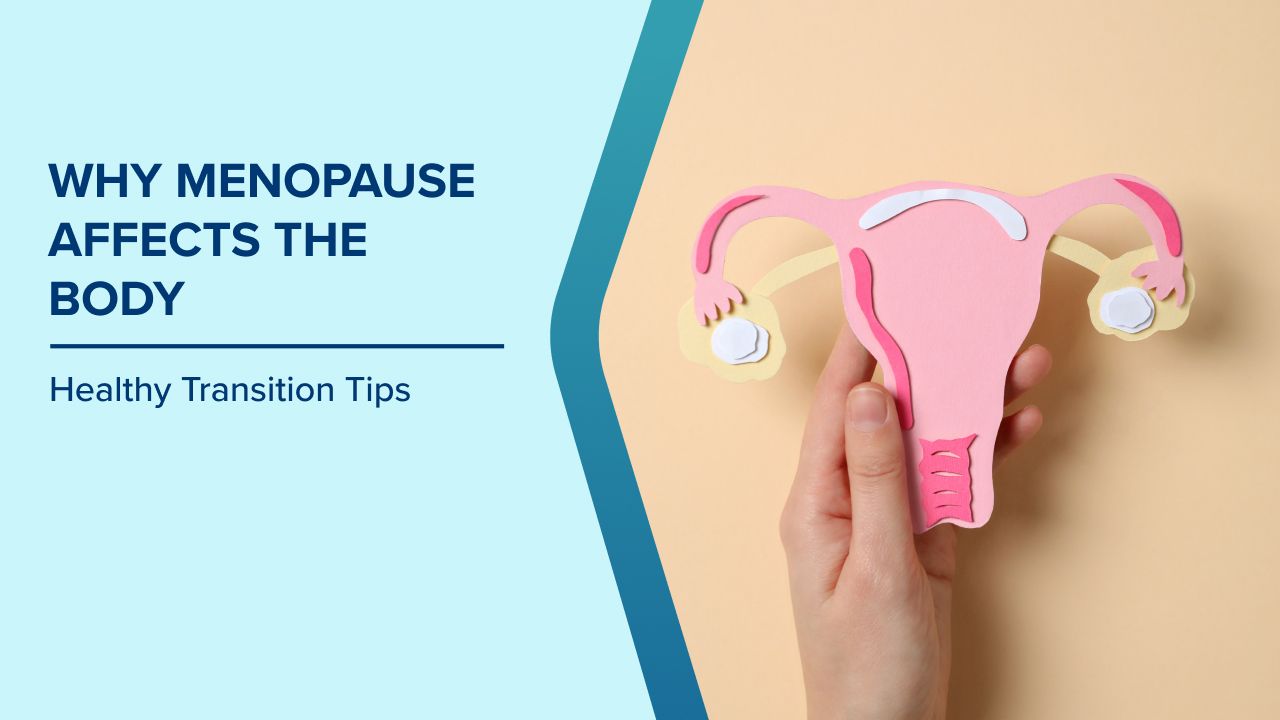
Call Us+91 926 888 0303Why Menopause Affects the Body: Healthy Transition Tips
By Dr. Manisha Arora in Obstetrics And Gynaecology , Robotic Surgery
Feb 24 , 2026

Menopause is a natural phase in every woman’s life, yet it can feel challenging due to the physical, emotional, and hormonal changes it brings. At Max Hospital Gurugram, doctors often meet women who are unsure whether their symptoms are “normal” or need medical attention. Understanding menopause and learning how to manage its symptoms can help women move through this transition with confidence and good health.
What Is Menopause?
- Menopause marks the end of monthly menstrual cycles
- Diagnosed after 12 consecutive months without a period
- Usually occurs between the ages of 45 and 55
- The transition phase, called perimenopause, may start years earlier
Common Symptoms Women Experience
- Hot flashes and night sweats
- Irregular periods during perimenopause
- Mood changes, anxiety, or irritability
- Sleep disturbances and fatigue
- Weight gain and slowed metabolism
- Vaginal dryness and reduced libido
- Joint pain and headaches
Why Menopause Affects the Body
- Decline in estrogen and progesterone levels
- Hormonal imbalance impacts heart, bone, brain, and skin health
- Increased risk of osteoporosis and heart disease after menopause
Tips for a Healthy Menopause Transition
Maintain a Balanced Diet
- Include calcium-rich foods for bone health
- Eat fruits, vegetables, and whole grains
- Reduce sugar, salt, and processed foods
- Stay hydrated to manage hot flashes
Stay Physically Active
- Engage in regular walking, yoga, or swimming
- Strength training helps maintain bone density
- Exercise improves mood and sleep quality
Manage Hot Flashes Naturally
- Dress in layers
- Avoid triggers like spicy food, caffeine, and alcohol
- Practice deep breathing and relaxation techniques
Prioritise Mental and Emotional Well-Being
- Talk openly about emotional changes
- Practice meditation or mindfulness
- Seek support from family, friends, or professionals
Focus on Bone and Heart Health
- Get regular bone density and heart health check-ups
- Maintain healthy blood pressure and cholesterol levels
- Avoid smoking and limit alcohol intake
When to See a Doctor
- Symptoms interfering with daily life or sleep
- Heavy or prolonged bleeding
- Severe mood changes or depression
- Sudden weight gain or joint pain
Expert Menopause Care at Max Hospital Gurugram
- Comprehensive hormonal evaluation
- Personalised treatment plans
- Guidance on hormone replacement therapy (HRT) when appropriate
- Multidisciplinary care from gynaecologists, endocrinologists, and nutritionists
Conclusion
Menopause is not a disease, it is a life transition that deserves care and attention. With the right knowledge, lifestyle changes, and medical support, women can remain active, healthy, and confident during and after menopause. At Max Hospital Gurugram, patient-centric care ensures that every woman receives personalised guidance to ensure a smoother, healthier menopause journey.
Written and Verified by:

Related Blogs

Dr. Manju Khemani In Obstetrics And Gynaecology
Oct 27 , 2020 | 3 min read

Dr. Neera Aggarwal In Obstetrics And Gynaecology , Nutrition And Dietetics
Nov 07 , 2020 | 7 min read
Blogs by Doctor

What are Ovarian Cysts: Types, Symptoms & Diagnosis Options
Dr. Manisha Arora In Obstetrics And Gynaecology
Jul 04 , 2024 | 2 min read
Menstrual Health Matters: Breaking Periods Myths with Facts
Dr. Manisha Arora In Obstetrics And Gynaecology , Robotic Surgery , Gynaecologic Laparoscopy
Sep 04 , 2025 | 2 min read
Most read Blogs

Related Blogs
Dr. Manju Khemani In Obstetrics And Gynaecology
Oct 27 , 2020 | 3 min read
Dr. Neera Aggarwal In Obstetrics And Gynaecology , Nutrition And Dietetics
Nov 07 , 2020 | 7 min read
Blogs by Doctor
What are Ovarian Cysts: Types, Symptoms & Diagnosis Options
Dr. Manisha Arora In Obstetrics And Gynaecology
Jul 04 , 2024 | 2 min read
Menstrual Health Matters: Breaking Periods Myths with Facts
Dr. Manisha Arora In Obstetrics And Gynaecology , Robotic Surgery , Gynaecologic Laparoscopy
Sep 04 , 2025 | 2 min read
Most read Blogs