 WhatsApp Us (24/7)
 +91 926 888 0303 (24/7)


To Book an Appointment
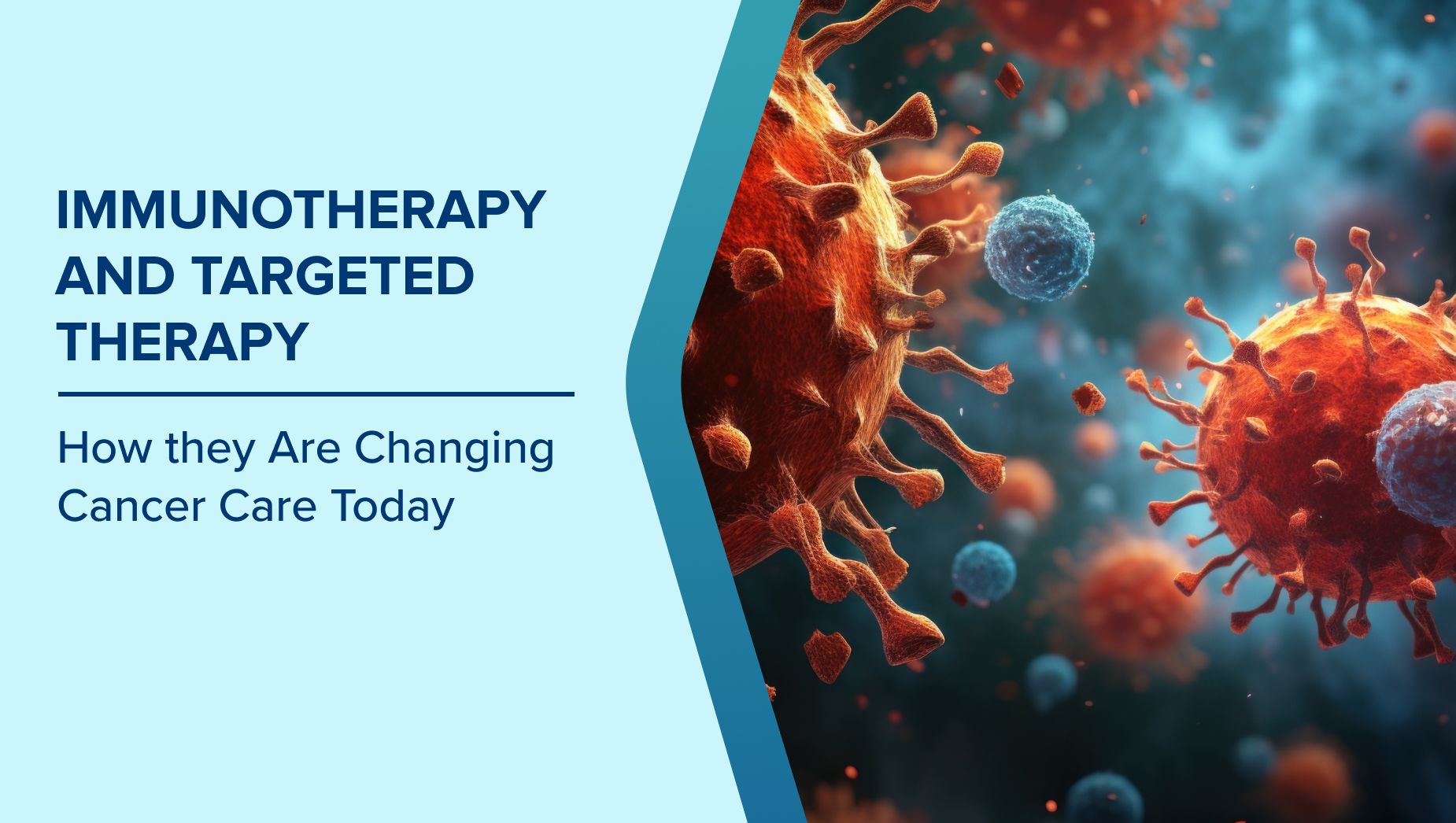
Call Us+91 926 888 0303Immunotherapy and Targeted Therapy: How they Are Changing Cancer Care Today
By Dr. Gopal Sharma in Medical Oncology , Cancer Care / Oncology , Breast Cancer , Gynecologic Oncology
Nov 26 , 2025 | 2 min read

In the past, cancer treatment mostly revolved around surgery, chemotherapy, and radiation. While these approaches remain important, the last decade has witnessed a significant shift, thanks to two breakthrough treatments: immunotherapy and targeted therapy. These advanced methods are giving many patients renewed hope by offering more precise, effective, and gentle options.
Understanding Immunotherapy
Immunotherapy works by strengthening the body's own defence system so it can recognise and destroy cancer cells. Instead of directly attacking the tumour, it trains the immune system to identify cancer as a threat.
This approach has shown impressive success in cancers such as melanoma, lung cancer, kidney cancer, and certain types of lymphoma. Because it works with the body's natural defences, many patients also find it easier to tolerate compared to chemotherapy.
What Targeted Therapy Does Differently
Targeted therapy works on a completely different principle. Every cancer has specific genes or proteins that drive its growth. Targeted drugs block these pathways, stopping cancer cells from multiplying while leaving most healthy cells unharmed.
This precision makes targeted therapy more focused and often less toxic. It is widely used in cancers such as breast cancer, lung cancer, colorectal cancer, and leukaemia, where specific mutations or markers can be identified.
Types of Cancers That May Benefit
Both immunotherapy and targeted therapy have proven effective in several cancers, including:
- Lung cancer
- Breast cancer
- Melanoma
- Kidney cancer
- Colorectal cancer
- Liver cancer
- Head and neck cancers
- Bladder cancer
- Cervical and endometrial cancers
- Oesophageal and stomach cancers
- Lymphomas and certain leukaemias
Why These New Therapies Matter
Patients may experience several advantages, such as:
- Better survival rates, even in advanced cancers
- Fewer side effects compared with conventional chemotherapy
- Personalised treatment based on the tumour’s genetic makeup
- Ability to continue daily activities during treatment
- A more targeted and effective approach to long-term care
Many patients report a better overall quality of life while receiving these therapies.
Common Myths and the Reality
Myth: Immunotherapy works for every patient.
Fact: It is highly effective for certain types of cancer, but not all. Doctors decide based on tumour markers and response patterns.
Myth: Targeted therapy is just another form of chemotherapy.
Fact: These drugs work in a completely different, more precise way, often resulting in fewer and milder side effects.
Who Is Eligible for These Treatments?
Not everyone qualifies automatically. Doctors usually recommend:
- Genetic testing
- Biomarker testing
- Molecular profiling
These help determine whether a tumour has the characteristics required for immunotherapy or targeted therapy to work.
Discussing these options with an oncologist is essential to ensure that patients receive a plan tailored to their specific condition.
A New Era in Cancer Care
For many people, advanced therapies have transformed cancer from a life-threatening disease into one that can be controlled or managed long term. Scientists are also studying combinations of immunotherapy, targeted therapy, and conventional treatments to further improve outcomes.
Early diagnosis remains crucial. The sooner patients seek specialised care, the more options they have, including these modern treatments that offer precision, hope, and the possibility of better recovery.
Written and Verified by:

Related Blogs


Dr. Meenu Walia In Medical Oncology , Cancer Care / Oncology
Aug 02 , 2016 | 4 min read
Blogs by Doctor

Can a Light Drink in the Evening Cause Cancer?
Dr. Gopal Sharma In Medical Oncology , Cancer Care / Oncology
Nov 08 , 2020 | 1 min read

4 Things You Should Know Before Starting Chemotherapy!
Dr. Gopal Sharma In Medical Oncology , Cancer Care / Oncology
Nov 08 , 2020 | 1 min read
Most read Blogs


Related Blogs
Dr. Meenu Walia In Medical Oncology , Cancer Care / Oncology
Aug 02 , 2016 | 4 min read
Blogs by Doctor
Can a Light Drink in the Evening Cause Cancer?
Dr. Gopal Sharma In Medical Oncology , Cancer Care / Oncology
Nov 08 , 2020 | 1 min read
4 Things You Should Know Before Starting Chemotherapy!
Dr. Gopal Sharma In Medical Oncology , Cancer Care / Oncology
Nov 08 , 2020 | 1 min read
Most read Blogs