 WhatsApp Us (24/7)
 +91 926 888 0303 (24/7)


To Book an Appointment
Call Us+91 926 888 0303How Viral Infections Impact Lung: Symptoms & Prevention
By Dr. Shivanshu Raj Goyal in Pulmonology
Apr 16 , 2026

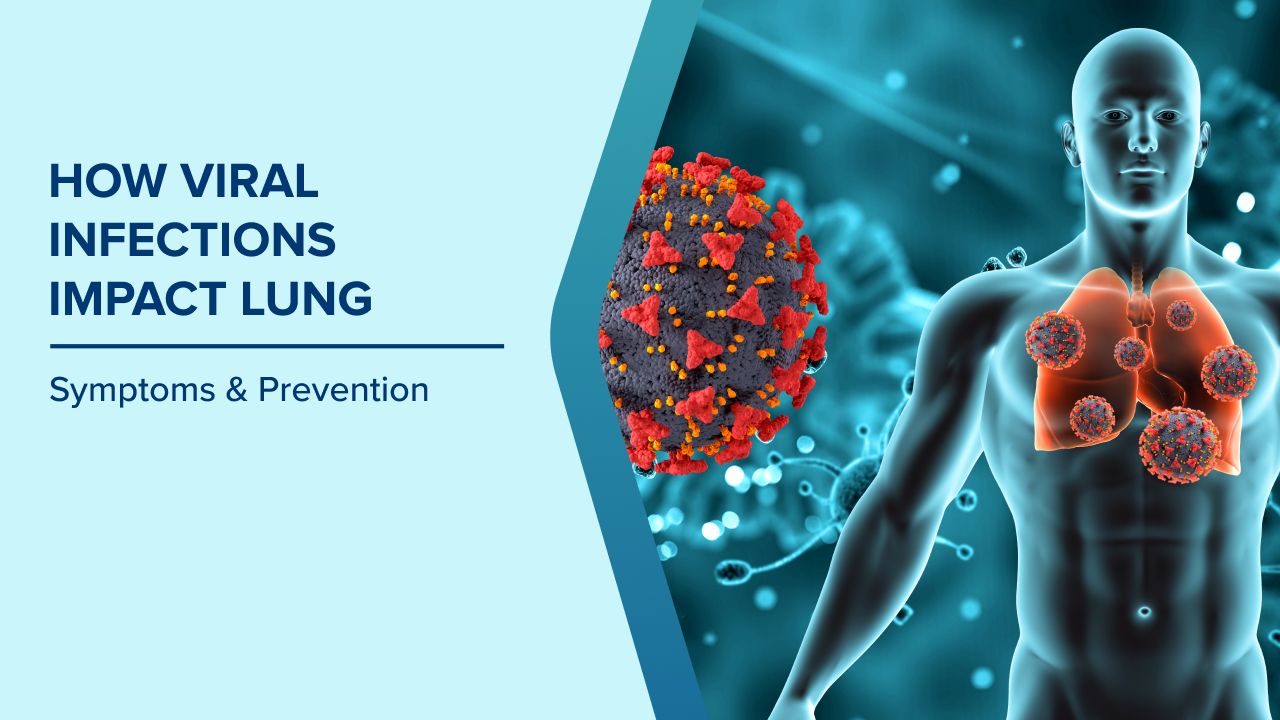
Viral infections are among the most common causes of respiratory illness worldwide. While many viral infections begin in the nose or throat, some can spread deeper into the lungs, causing inflammation, breathing problems, and even life-threatening complications. Viruses such as influenza, respiratory syncytial virus (RSV), and coronaviruses, including SARS-CoV-2, can affect lung health in different ways. Understanding how these infections impact the lungs can help people recognise symptoms early and seek timely medical care.
How Viruses Enter and Affect the Lungs
Respiratory viruses typically spread through droplets released when an infected person coughs, sneezes, or talks. Once inhaled, these viruses travel through the airways and may reach the lungs, where they infect lung cells and trigger inflammation.
The lungs contain tiny air sacs called alveoli, which are responsible for exchanging oxygen and carbon dioxide. When viruses infect these structures, the immune system responds by releasing inflammatory chemicals, which can lead to swelling and fluid accumulation. This process can interfere with normal breathing and oxygen supply to the body.
Common Viral Infections That Affect the Lungs
Several viruses are known to affect the respiratory system and lungs, including:
- Influenza (Flu): Can cause severe lung inflammation and, in some cases, pneumonia.
- COVID-19: May lead to viral pneumonia and, in severe cases, acute respiratory distress syndrome (ARDS).
- Respiratory Syncytial Virus (RSV): A common cause of bronchiolitis and pneumonia in infants and older adults.
- Adenoviruses and Parainfluenza viruses: Can cause bronchitis and pneumonia in certain individuals.
While many infections remain mild, some may progress to serious lung disease depending on a person’s immunity and overall health.
What Happens Inside the Lungs During a Viral Infection?
When viruses infect lung tissue, several biological changes can occur:
- Inflammation of Lung Tissue: The immune system attempts to eliminate the virus by triggering an inflammatory response. This can cause swelling in the airways and lung tissue, making breathing difficult.
- Fluid Accumulation in Air Sacs: Infections can cause alveoli to fill with fluid or mucus, reducing oxygen exchange and leading to symptoms such as shortness of breath and chest discomfort.
- Damage to Lung Cells: Some viruses directly infect and destroy lung cells, impairing the lungs’ ability to function effectively. This damage can also weaken the lung’s natural defence system.
- Excessive Immune Response: In severe infections, the immune system may overreact, producing high levels of inflammatory chemicals. This “cytokine storm” can cause widespread lung injury and breathing failure in critical cases.
Possible Complications of Viral Lung Infections
If not managed properly, viral infections affecting the lungs may lead to complications such as:
- Viral pneumonia
- Bronchitis or bronchiolitis
- Secondary bacterial infections
- Acute respiratory distress syndrome (ARDS)
- Long-term lung damage, such as pulmonary fibrosis
These complications are more likely in older adults, young children, people with weakened immunity, and those with chronic conditions like asthma or COPD.
Symptoms That May Indicate Lung Involvement
Symptoms of viral infections affecting the lungs may include:
- Persistent cough
- Fever and chills
- Shortness of breath
- Chest pain during breathing or coughing
- Fatigue and weakness
- Difficulty breathing during physical activity
If these symptoms worsen or last longer than expected, medical evaluation is important.
How to Protect Your Lungs from Viral Infections
Preventive measures play a vital role in protecting lung health. These include:
- Getting recommended vaccinations, such as flu and COVID-19 vaccines
- Practising regular hand hygiene
- Avoiding close contact with infected individuals
- Wearing masks during outbreaks or in crowded spaces
- Maintaining a healthy lifestyle to support immunity
Vaccination and preventive practices significantly reduce the risk of severe respiratory illness and complications.
When to Seek Medical Attention
Medical care should be sought immediately if a person experiences severe breathing difficulty, persistent high fever, confusion, or worsening chest pain. Early diagnosis and treatment can help prevent complications and improve recovery outcomes.
Conclusion
Viral infections can affect the lungs in multiple ways, ranging from mild inflammation to severe respiratory failure. Understanding how these infections impact lung function helps people recognise warning signs and take preventive measures. At Max Hospital, Gurugram, specialists emphasise early diagnosis, proper treatment, and preventive care to protect lung health and reduce the risk of complications from viral respiratory infections.
Written and Verified by:

Related Blogs

Medical Expert Team
Jun 06 , 2015 | 2 min read

Blogs by Doctor

Climate Change and Tuberculosis: Risks, Challenges & Solutions
Dr. Shivanshu Raj Goyal In Pulmonology
Apr 02 , 2025 | 3 min read
Smoking and Vaping: How They Damage Your Lungs Over Time
Dr. Shivanshu Raj Goyal In Pulmonology
Sep 02 , 2025 | 2 min read
Most read Blogs


Related Blogs
Medical Expert Team
Jun 06 , 2015 | 2 min read
Blogs by Doctor
Climate Change and Tuberculosis: Risks, Challenges & Solutions
Dr. Shivanshu Raj Goyal In Pulmonology
Apr 02 , 2025 | 3 min read
Smoking and Vaping: How They Damage Your Lungs Over Time
Dr. Shivanshu Raj Goyal In Pulmonology
Sep 02 , 2025 | 2 min read
Most read Blogs