 WhatsApp Us (24/7)
 +91 926 888 0303 (24/7)


To Book an Appointment
Call Us+91 926 888 0303How to Prepare for Laparoscopic Fibroid Surgery: Risks & Recovery
By Dr. Rakhi Gupta in Obstetrics And Gynaecology , Gynecologic Oncology , Robotic Surgery , Gynaecologic Laparoscopy
Mar 23 , 2026

Uterine fibroids are one of the most common benign growths affecting women, often causing discomfort, heavy periods, and pressure symptoms. Laparoscopic removal, a minimally invasive surgery, offers a modern solution that reduces hospital stay, scarring, and recovery time compared to traditional open surgery. Understanding the process, recovery, and lifestyle adjustments can help women feel more confident and prepared for this procedure.
Understanding Uterine Fibroids
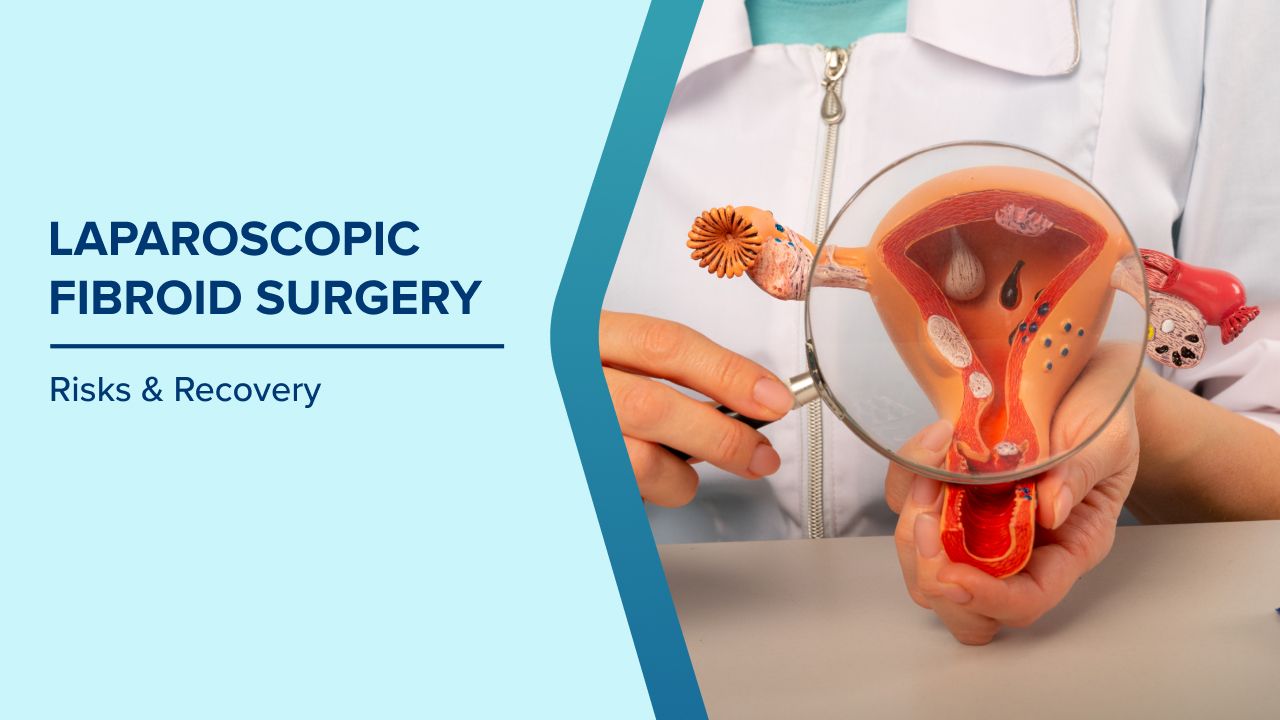
Fibroids are non-cancerous tumours arising from the smooth muscle of the uterus. They can vary in size, from a few millimetres to several centimetres, and may grow in different areas of the uterus:
- Subserosal fibroids: Grow on the outer surface of the uterus.
- Intramural fibroids: Develop within the muscular wall of the uterus.
- Submucosal fibroids: Extend into the uterine cavity.
Hormones, genetics, and age influence their growth. While some fibroids remain symptom-free, others can significantly impact quality of life.
Common Symptoms
Not all fibroids cause noticeable issues. When they do, symptoms may include:
- Heavy or prolonged menstrual bleeding: Often resulting in fatigue or low iron.
- Pelvic pain or pressure: A feeling of fullness or dull ache.
- Bloating and abdominal swelling: Noticeable when fibroids are large.
- Urinary frequency or difficulty: Fibroids pressing on the bladder or ureters.
- Lower back or leg discomfort: Rare but can occur with large fibroids.
Identifying these symptoms early enables timely intervention and a smoother recovery.
Preparing for Laparoscopic Fibroid Surgery
Proper preparation ensures a safer procedure and faster recovery:
- Preoperative consultation: Discuss your medical history, medications, and any prior surgeries.
- Diagnostic imaging: Ultrasound or MRI maps the size and location of fibroids.
- Blood tests: Check for anaemia and overall health status.
- Fasting instructions: Typically, no food or drink for 6–8 hours before surgery.
- Medication adjustments: Your doctor may advise pausing blood thinners or certain supplements.
Mental preparation is equally important, knowing what to expect can reduce anxiety.
The Procedure: Step by Step
Laparoscopic myomectomy is performed under general anaesthesia. Key steps include:
- Small incisions: Usually 3–4 tiny cuts in the abdomen.
- Insertion of a laparoscope: A thin tube with a camera visualises the uterus.
- Fibroid removal: Fibroids are carefully excised and often morcellated (cut into smaller pieces) for removal.
- Uterine repair: The surgical area is sutured internally to maintain uterine integrity.
- Closure: Incisions are closed with minimal sutures, resulting in tiny scars.
The procedure typically lasts 1–3 hours, depending on the size and number of fibroids.
Recovery Expectations
Laparoscopic surgery offers a faster recovery compared to open surgery:
- Immediate post-op: Mild pain, bloating, and shoulder discomfort from gas used during surgery.
- Days 1–3: Rest is critical; walking is encouraged to prevent blood clots.
- Weeks 1–2: Most women can perform light daily activities but should avoid heavy lifting.
- Weeks 3–4: Energy levels improve, and abdominal discomfort usually subsides.
- Weeks 4–6: Full physical activity is typically safe, and incisions heal completely.
Monitoring for unusual pain, heavy bleeding, or fever is essential during recovery.
Risks and Complications
While laparoscopic fibroid removal is generally safe, possible complications include:
- Bleeding or hematoma formation
- Infection at the incision or internally
- Injury to nearby organs, such as the bladder or bowel
- Scar tissue (adhesions) that may cause discomfort
- Rare recurrence of fibroids
Discussing these risks with a gynaecologist ensures realistic expectations.
Lifestyle After Surgery
Lifestyle adjustments can enhance recovery and prevent complications:
- Diet: Emphasise high-fibre foods, lean protein, iron-rich meals, and hydration. Avoid processed foods that may promote inflammation.
- Physical activity: Gentle walking post-op improves circulation; resume exercise gradually.
- Stress management: Techniques like yoga or meditation support hormonal balance and healing.
- Sleep: Adequate rest accelerates recovery and overall well-being.
Following your surgeon’s post-operative instructions is critical for optimal healing.
Signs You Should Contact Your Doctor
- Persistent or worsening abdominal pain
- Heavy vaginal bleeding beyond normal periods
- Fever or chills
- Swelling or redness at incision sites
- Unusual discharge or foul odor
Prompt medical attention helps prevent complications and ensures safe recovery.
Preventive Measures and Early Detection
Although fibroids cannot always be prevented, proactive measures can help:
- Regular gynaecological exams and ultrasounds
- Maintaining a healthy weight
- Tracking menstrual changes
- Managing stress and promoting hormonal balance
Early detection often allows less invasive treatment options and a smoother recovery.
Conclusion
Laparoscopic removal of fibroids is a safe and minimally invasive option for managing symptomatic fibroids. Understanding the procedure, recovery timeline, potential risks, and lifestyle adjustments can make the experience less intimidating and improve outcomes. Regular check-ups, a balanced diet, and gradual return to activity are key to optimal recovery. Consulting a qualified gynaecologist ensures individualised care and the best possible results.
Frequently Asked Questions
1. How long is the hospital stay after laparoscopic fibroid removal?
Most patients go home within 24–48 hours; complex cases may require longer observation.
2. Will I have visible scars?
Incisions are small and usually heal into faint lines or are barely noticeable.
3. Can fibroids grow back after surgery?
Recurrence is possible, especially in younger women; regular follow-up is advised.
4. When can I resume normal activities?
Light activities can resume within 1–2 weeks; heavy lifting or strenuous exercise should wait 4–6 weeks.
5. Is laparoscopy safer than traditional surgery?
Yes, it generally reduces infection risk, minimises scarring, and shortens recovery time while maintaining effectiveness.
Written and Verified by:

Related Blogs

Dr. Manju Khemani In Obstetrics And Gynaecology
Oct 27 , 2020 | 3 min read

Dr. Neera Aggarwal In Obstetrics And Gynaecology , Nutrition And Dietetics
Nov 07 , 2020 | 7 min read
Blogs by Doctor
Urinary Tract Infections: Signs, Symptoms & How to Prevent UTI in Summer
Dr. Rakhi Gupta In Obstetrics And Gynaecology
Jul 02 , 2025 | 4 min read
Brown Vaginal Discharge: Possible Causes and When to Seek Medical Advice
Dr. Rakhi Gupta In Obstetrics And Gynaecology
Jul 09 , 2025 | 10 min read
Most read Blogs

Related Blogs
Dr. Manju Khemani In Obstetrics And Gynaecology
Oct 27 , 2020 | 3 min read
Dr. Neera Aggarwal In Obstetrics And Gynaecology , Nutrition And Dietetics
Nov 07 , 2020 | 7 min read
Blogs by Doctor
Urinary Tract Infections: Signs, Symptoms & How to Prevent UTI in Summer
Dr. Rakhi Gupta In Obstetrics And Gynaecology
Jul 02 , 2025 | 4 min read
Brown Vaginal Discharge: Possible Causes and When to Seek Medical Advice
Dr. Rakhi Gupta In Obstetrics And Gynaecology
Jul 09 , 2025 | 10 min read
Most read Blogs