 WhatsApp Us (24/7)
 +91 926 888 0303 (24/7)


To Book an Appointment
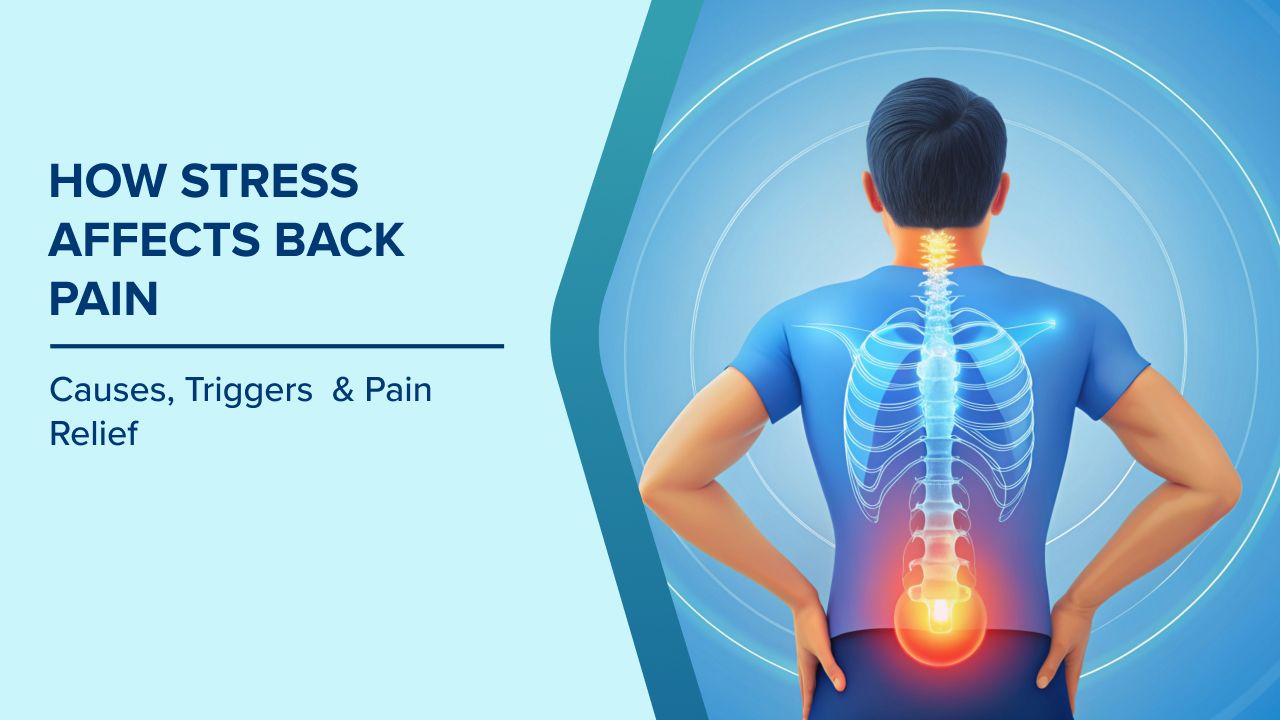
Call Us+91 926 888 0303How Stress Affects Back Pain: Causes, Triggers & Pain Relief
By Dr. Paresh Bang in Spine Surgery
May 13 , 2026

Back pain is often blamed on posture, long working hours, or physical strain. While these are important factors, there is another contributor that is frequently overlooked: stress. Many people notice their back pain worsening during periods of emotional pressure, even without any obvious physical injury.
So, can stress really cause back pain? The answer is yes. Stress does not just affect the mind; it has a direct impact on the body, particularly the muscles, nerves, and pain perception.
How Stress Affects the Body
When the body experiences stress, it activates a natural “fight or flight” response. This response ensures the body is prepared to react to a perceived threat.
As part of this reaction:
- Muscles tighten
- Breathing becomes shallow
- Heart rate increases
- Stress hormones are released
While this response is helpful in short bursts, prolonged stress keeps the body in a constant state of tension. Over time, this can lead to discomfort, especially in areas like the neck, shoulders, and back.
Read More: Can Stress Cause Brain Tumours? Myths, Facts & Impact on Brain Health
The Connection Between Stress and Back Pain
Stress-related back pain does not usually come from injury. Instead, it develops gradually due to physical and behavioural changes.
Muscle Tension and Tightness
One of the most common effects of stress is persistent muscle tension. The back muscles, especially in the upper and lower regions, tend to tighten without conscious awareness.
This ongoing tightness can:
- Reduce flexibility
- Cause stiffness
- Lead to aching or soreness
Poor Posture During Stress
When stressed, people often unconsciously change their posture.
Common patterns include:
- Slouching while sitting
- Hunching shoulders forward
- Sitting for long periods without movement
Over time, these habits place additional strain on the spine and surrounding muscles.
Reduced Physical Activity
Stress can reduce motivation to stay active. Lack of movement weakens the muscles that support the spine, making the back more prone to pain.
Increased Pain Sensitivity
Stress affects how the brain processes pain signals. It can lower the threshold for pain, making even mild discomfort feel more intense.
Sleep Disturbances
Stress often interferes with sleep quality. Poor sleep can:
- Delay muscle recovery
- Increase fatigue
- Worsen existing pain
This creates a cycle where stress worsens pain, and pain further disrupts sleep.
What Does Stress-Related Back Pain Feel Like?
Stress-induced back pain may feel different from pain caused by injury.
Common characteristics include:
- A dull, persistent ache rather than sharp pain
- Tightness in the upper back or shoulders
- Pain that worsens during stressful periods
- Discomfort that improves with relaxation
It may come and go, often linked to emotional or mental strain rather than physical activity.
Can Stress Alone Cause Chronic Back Pain?
In some cases, yes. If stress is ongoing and unmanaged, it can contribute to long-term back pain.
Chronic muscle tension, combined with poor posture and inactivity, can lead to:
- Persistent stiffness
- Reduced mobility
- Recurrent episodes of discomfort
However, it is important to note that stress may not be the only cause. Often, it acts as a contributing factor alongside physical issues.
How to Identify if Stress Is Affecting Your Back
It can be helpful to observe patterns.
Ask yourself:
- Does the pain increase during busy or emotionally demanding periods?
- Does it improve during holidays or relaxation?
- Is there no clear physical cause for the discomfort?
If the answer is yes, stress may be playing a significant role.
Practical Ways to Manage Stress-Related Back Pain
Addressing both physical and emotional factors is important for relief.
Gentle Movement and Exercise
Regular movement helps release muscle tension and improve flexibility.
- Walking
- Stretching
- Light strengthening exercises
Consistency is more important than intensity.
Posture Awareness
Being mindful of posture throughout the day can reduce strain.
- Keep your back supported while sitting
- Avoid slouching
- Take regular breaks from screens
Relaxation Techniques
Relaxation helps calm the nervous system and reduce muscle tightness.
- Deep breathing exercises
- Meditation or mindfulness
- Progressive muscle relaxation
Read More: Stress and Heart Disease Risk: Effective Management Tips & Techniques
Improve Sleep Routine
Good sleep supports muscle recovery and reduces stress levels.
- Maintain a consistent sleep schedule
- Avoid screens before bedtime
- Create a comfortable sleeping environment
Manage Daily Stress Triggers
Identifying and addressing sources of stress can have a direct impact on physical symptoms.
- Break tasks into manageable steps
- Set realistic expectations
- Take short breaks during the day
Seek Professional Support When Needed
If stress feels overwhelming or pain persists, professional guidance can help.
- Physiotherapy for posture and muscle care
- Counselling or therapy for stress management
- Medical evaluation to rule out other causes
When Should You Be Concerned?
While stress-related back pain is common, certain symptoms should not be ignored.
Seek medical attention if you experience:
- Severe or worsening pain
- Pain after an injury
- Numbness or tingling
- Weakness in the legs
- Pain that does not improve with rest
These may indicate underlying physical conditions that need evaluation.
Breaking the Cycle: Stress and Pain
Stress and back pain often form a cycle:
- Stress leads to muscle tension
- Muscle tension causes pain
- Pain increases stress
Breaking this cycle requires addressing both the mind and the body. Even small changes in daily habits can make a meaningful difference over time.
Conclusion
Yes, stress can cause back pain, and in many cases, it plays a significant role. The connection between mental and physical health is strong, and prolonged stress can manifest as real, persistent discomfort in the body.
Understanding this link allows for a more balanced approach to treatment. By combining physical care with stress management, it becomes possible to reduce pain, improve mobility, and enhance overall well-being.
Frequently Asked Questions
1. Can emotional stress cause lower back pain?
Yes, emotional stress can lead to muscle tension in the lower back, contributing to discomfort and stiffness.
2. How long does stress-related back pain last?
It can last from a few days to several weeks, depending on how well stress and muscle tension are managed.
3. Can anxiety make back pain worse?
Yes, anxiety can increase muscle tightness and heighten pain sensitivity, making existing pain feel more intense.
4. Does exercise help with stress-related back pain?
Yes, regular gentle exercise helps reduce muscle tension and improves overall stress levels.
5. Is stress-related back pain permanent?
No, it is usually reversible with proper stress management, posture correction, and regular movement.
Written and Verified by:

Related Blogs

Prof. (Dr). V.K.Jain In Neurosciences , Spine Surgery
Nov 07 , 2020 | 5 min read
Dr. Amit Gupta In Spine Surgery , Neurology
Nov 07 , 2020 | 2 min read
Blogs by Doctor
Most read Blogs


Related Blogs
Prof. (Dr). V.K.Jain In Neurosciences , Spine Surgery
Nov 07 , 2020 | 5 min read
Dr. Amit Gupta In Spine Surgery , Neurology
Nov 07 , 2020 | 2 min read
Blogs by Doctor
Most read Blogs