 WhatsApp Us (24/7)
 +91 926 888 0303 (24/7)


To Book an Appointment
Call Us+91 926 888 0303How Sleep Apnoea Affects Weight Gain: Lifestyle Tips & Daily Care
By Dr Atul Somani in Internal Medicine
Feb 12 , 2026

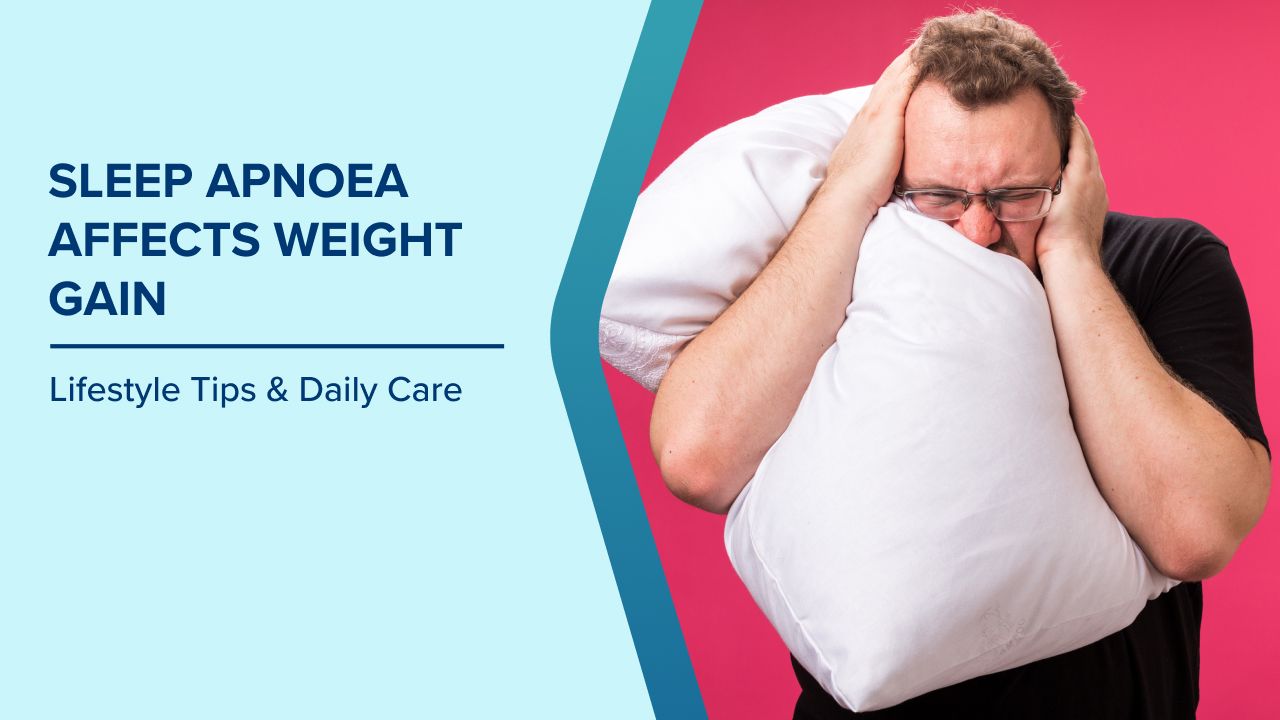
Sleep is essential for overall health, but many people underestimate how significantly disrupted sleep can affect body weight. Sleep apnoea, a condition where breathing is repeatedly interrupted during sleep, does more than just make you feel tired. It can trigger a cascade of effects on metabolism, hormones, appetite, and lifestyle choices, all of which can contribute to gradual weight gain over time. Understanding this connection is crucial for managing both sleep and weight effectively.
How Sleep Apnoea Affects Weight Regulation
Sleep apnoea interferes with the body’s natural rhythm, which can have a profound impact on weight management.
Hormonal Imbalances
When sleep is fragmented, the body’s hunger and satiety hormones are affected. Levels of ghrelin, which stimulates appetite, rise, while leptin, which signals fullness, drops. This imbalance makes it harder to feel satisfied after meals and encourages overeating.
Slower Metabolism
Interrupted sleep slows down metabolic processes. The body burns fewer calories at rest and struggles to process energy efficiently. This means that even if your diet remains unchanged, weight gain can occur over time simply because the body is not utilising energy as effectively.
Insulin Sensitivity
Sleep disruptions affect insulin function, which regulates blood sugar levels. Poor insulin sensitivity makes it easier for the body to store fat rather than burn it, particularly around the abdomen. This creates a metabolic environment where weight gain becomes more likely, even without increased calorie intake.
Energy Levels and Physical Activity
Persistent fatigue is a common consequence of sleep apnoea. When energy levels are low, maintaining an active lifestyle becomes a challenge.
- Reduced Motivation for Exercise: Tiredness makes physical activity feel exhausting.
- Cravings for Quick Energy: Low energy often triggers cravings for sugary or fatty foods.
- Decreased Daily Movement: Daytime sleepiness can limit simple activities such as climbing stairs.
Addressing sleep quality is therefore critical to sustaining regular activity and supporting a healthy body weight.
Sleep Apnoea and Eating Patterns
Disrupted sleep affects not only hunger hormones but also behaviour around food.
- Late-Night Snacking: Poor sleep may trigger waking during the night and eating.
- Overeating During the Day: Increased appetite hormones may prompt larger portions.
- Preference for Unhealthy Foods: Sleep deprivation makes high-fat, high-sugar foods more appealing.
Mindful eating and awareness of these patterns can help manage the combined impact of sleep apnoea and diet on body weight.
The Vicious Cycle of Weight Gain and Sleep Apnoea
Weight gain and sleep apnoea reinforce each other in a loop:
- Sleep apnoea causes poor sleep and fatigue.
- Hormonal and metabolic changes increase appetite and slow calorie burning.
- Gradual weight gain worsens airway obstruction.
- More severe sleep apnoea disrupts sleep further.
Breaking this cycle requires interventions that target both sleep quality and lifestyle habits simultaneously.
Lifestyle Strategies to Manage Weight and Sleep
Managing weight while living with sleep apnoea involves practical, sustainable lifestyle adjustments:
Prioritise Sleep Hygiene
- Stick to a consistent bedtime and wake-up schedule.
- Create a sleep-friendly environment that is dark, quiet, and cool.
- Avoid caffeine, alcohol, and heavy meals close to bedtime.
Focus on Balanced Nutrition
- Prioritise vegetables, fruits, lean proteins, and whole grains.
- Limit processed foods, refined sugars, and high-fat snacks.
- Space meals evenly throughout the day.
Incorporate Gentle Physical Activity
- Moderate exercises like walking or cycling can improve metabolism.
- Morning or early-afternoon workouts may enhance sleep quality.
- Include exercises that strengthen the core and airway-supporting muscles.
Mindful Eating Practices
- Eat slowly and pay attention to hunger cues.
- Avoid eating while distracted by screens.
- Keep healthy snacks on hand to manage cravings.
Professional Support
- Consult a sleep specialist to discuss management options.
- Dietitians can provide personalised nutrition strategies.
- Physical therapists or trainers can suggest safe exercise routines.
Small Daily Changes That Make a Difference
- Elevate Your Head During Sleep: Slightly raising the head can reduce airway obstruction.
- Stay Hydrated: Dehydration can worsen fatigue and cravings.
- Track Sleep Patterns: Keeping a sleep diary helps identify triggers.
- Limit Screen Time Before Bed: Blue light can disrupt the sleep-wake cycle.
By combining these small changes with diet, exercise, and sleep management, weight gain related to sleep apnoea can be addressed more effectively.
Conclusion
Sleep apnoea and weight gain are closely linked through hormonal, metabolic, and behavioural pathways. By improving sleep quality, adopting healthy eating habits, and staying physically active, it is possible to break the cycle and maintain a healthy weight.
Frequently Asked Questions
Can improving sleep habits alone help with weight control?
Better sleep helps regulate hormones and energy, but combining it with diet and exercise is more effective.
Does the timing of meals affect sleep apnoea-related weight gain?
Yes, eating heavy or late-night meals can worsen sleep disruptions.
Are there natural ways to improve airway function while sleeping?
Gentle breathing exercises, positional therapy, and maintaining a healthy weight can help.
How does dehydration influence weight gain in sleep apnoea?
Dehydration can increase fatigue and cravings for sugary beverages.
Can stress make sleep apnoea-related weight gain worse?
Yes, stress increases cortisol, which can trigger appetite and disrupt sleep patterns.
Written and Verified by:

Related Blogs


Dr. Vandana Boobna In Internal Medicine
Nov 08 , 2020 | 2 min read
Blogs by Doctor
Most read Blogs


Related Blogs
Dr. Vandana Boobna In Internal Medicine
Nov 08 , 2020 | 2 min read
Blogs by Doctor
Most read Blogs